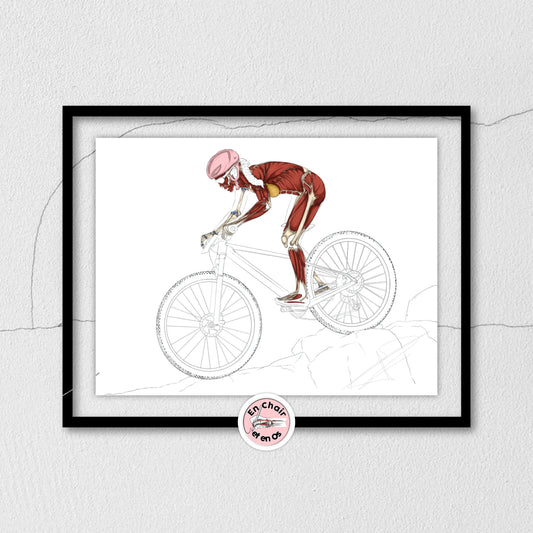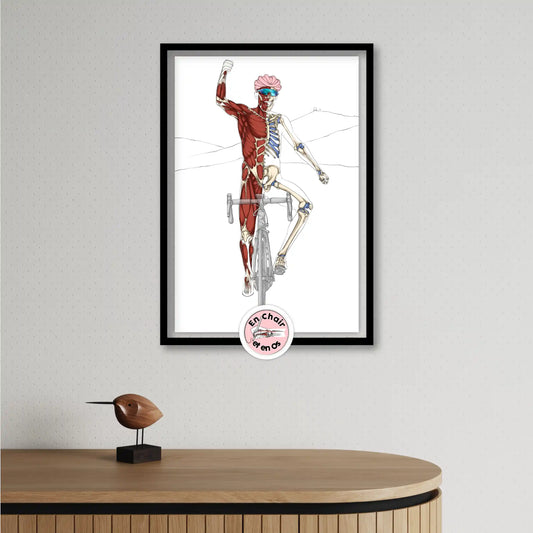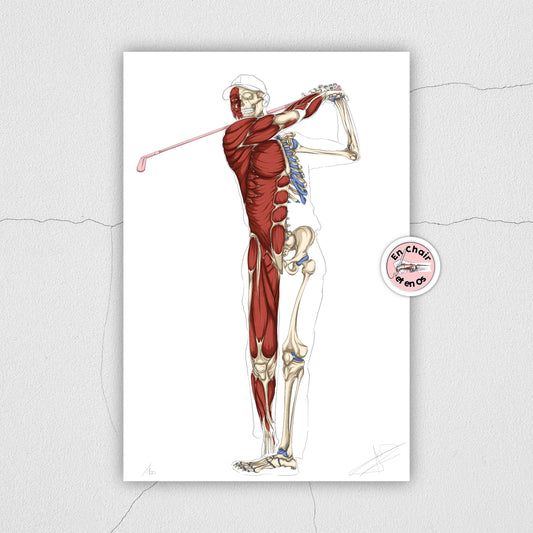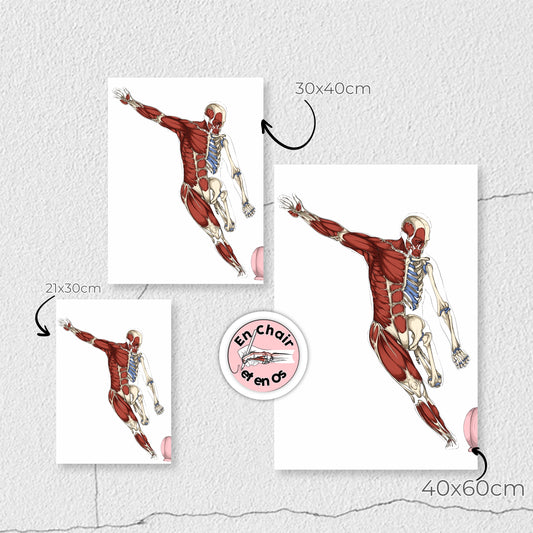
Collection: Anatomical charts for athletes


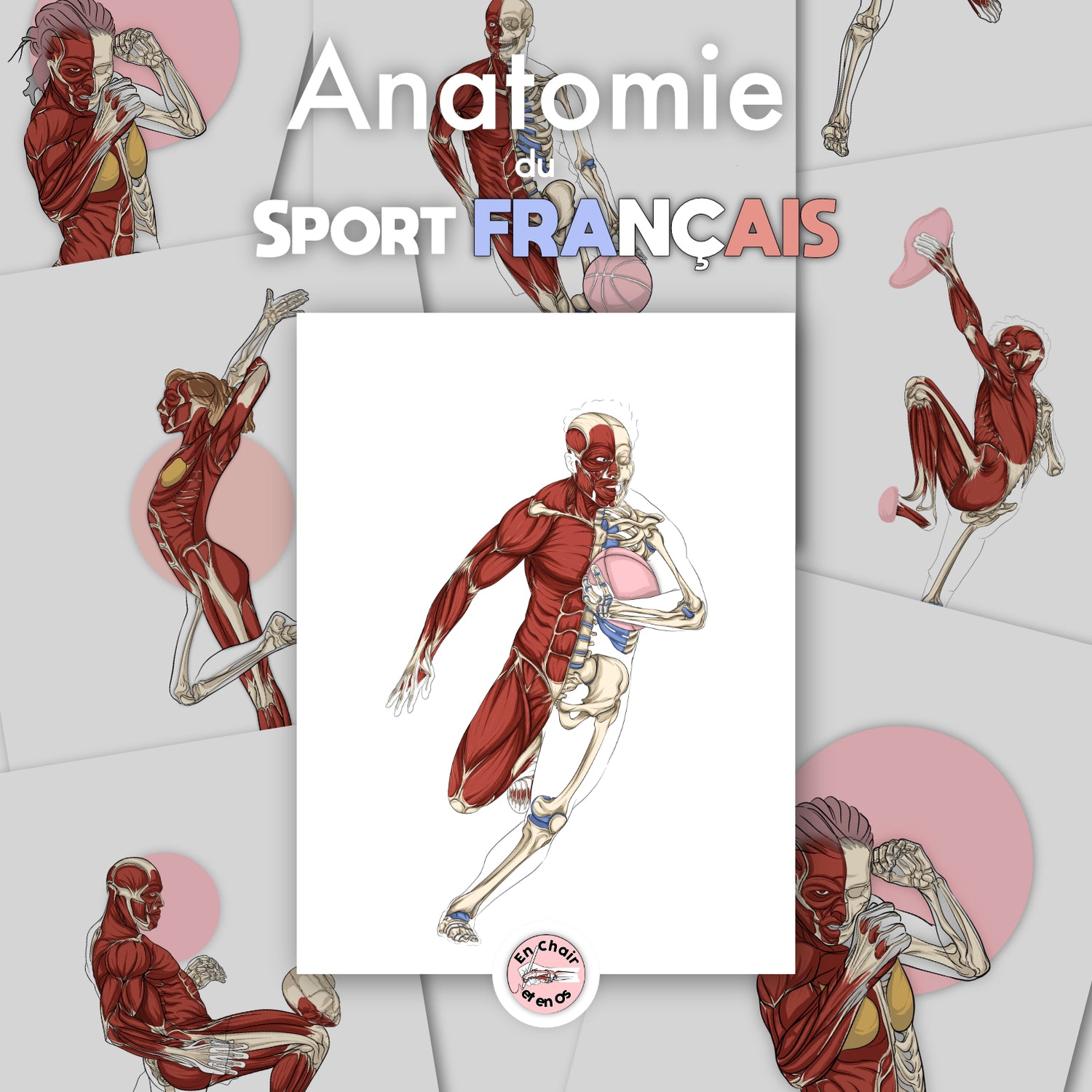
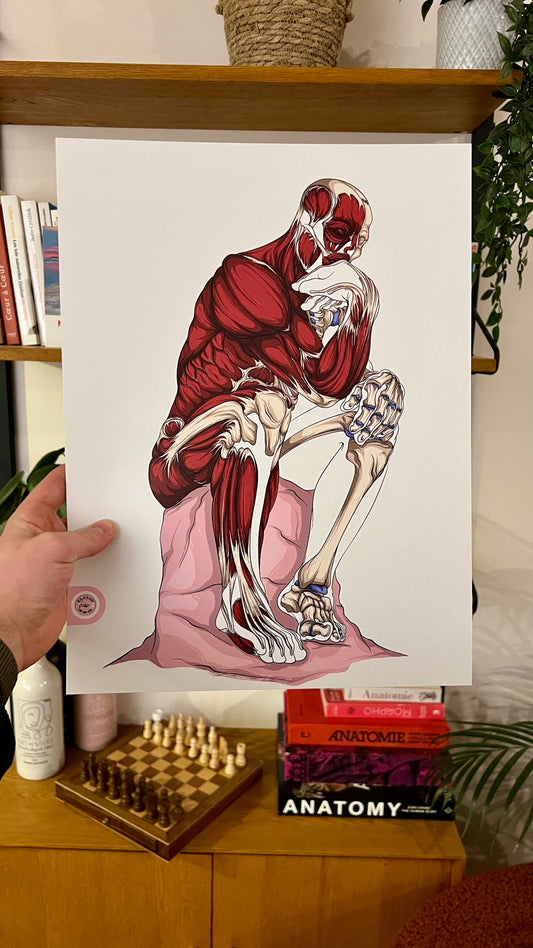
Are you a sports and anatomy enthusiast? You are going to love the new collection of sports anatomical charts by En Chair et en Os! This unique collection highlights the anatomy of athletes from various disciplines through écorché drawings created by hand on a graphics tablet. In this article, we will introduce you to this exclusive collection and explain why it is essential for lovers of sports, health, and art.
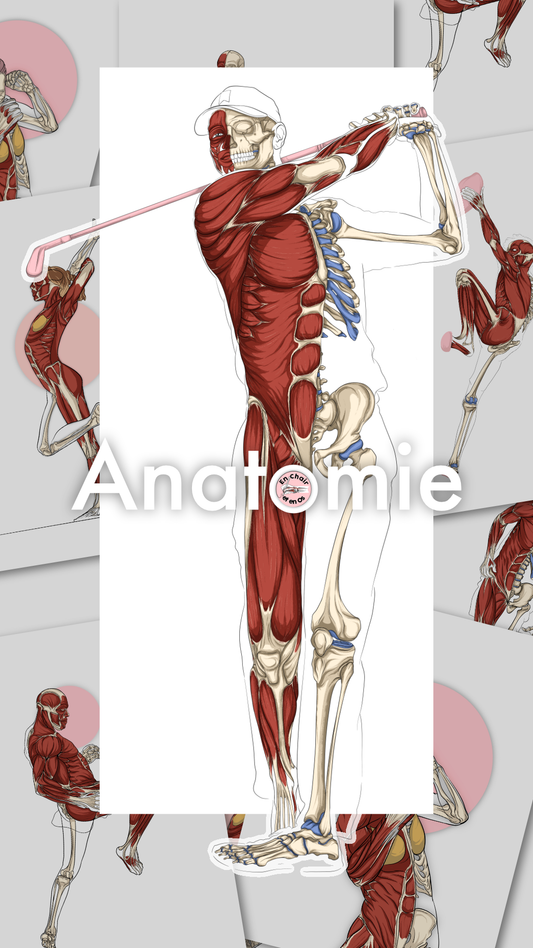
I. The Sports Anatomical Chart Collection

A. The sports disciplines represented

This exceptional collection includes anatomical charts for eight popular sports:

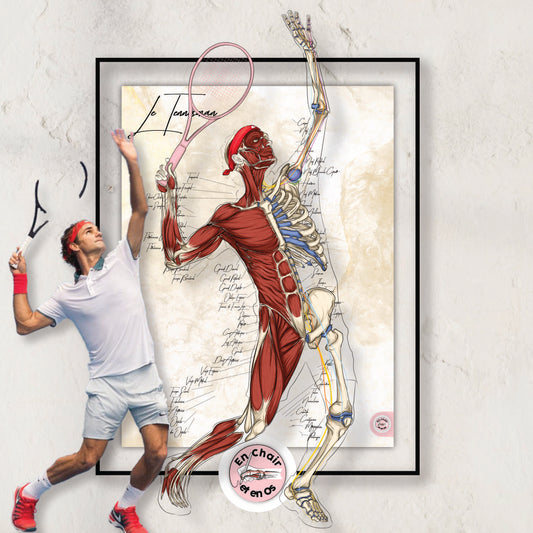
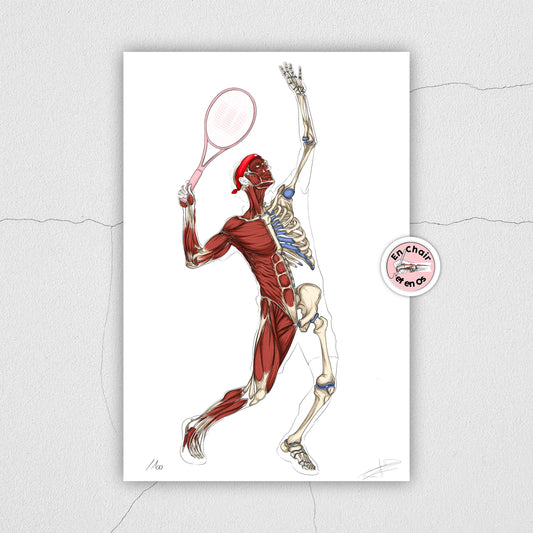
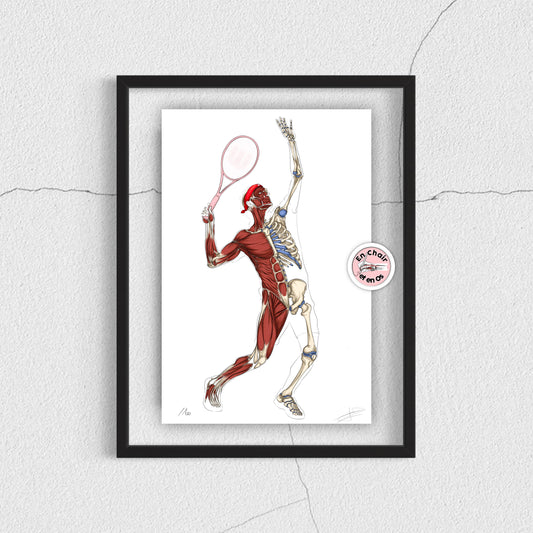
  1. Tennis

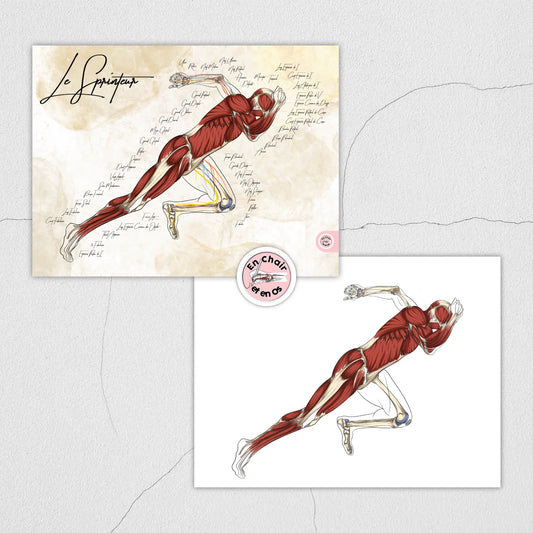
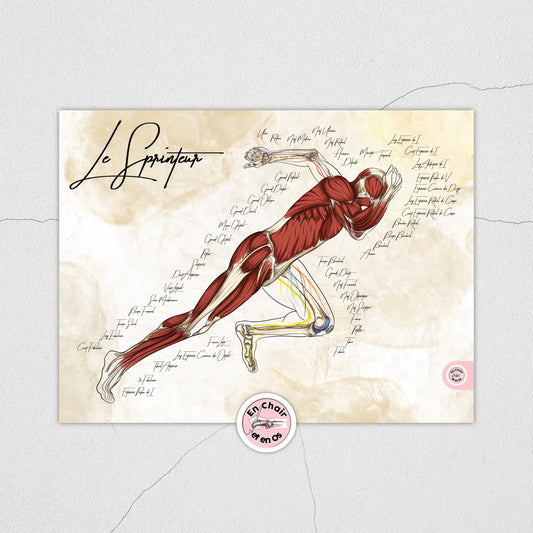
  2. Sprinting

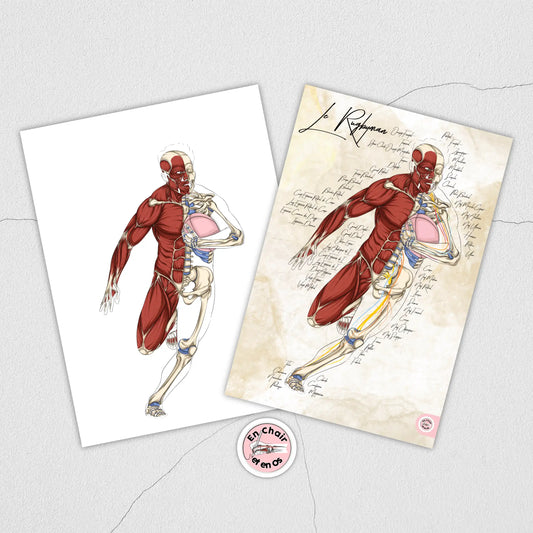
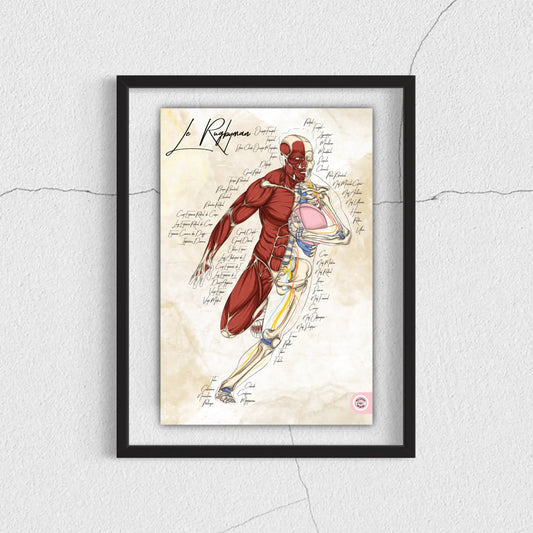
  3. Rugby

  4. Handball

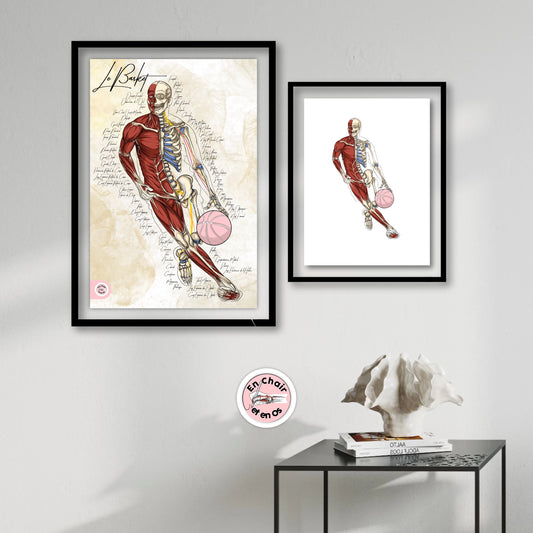
  5. Basketball

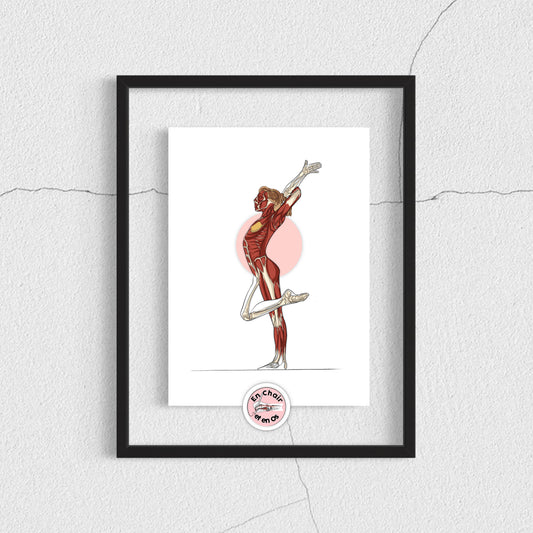
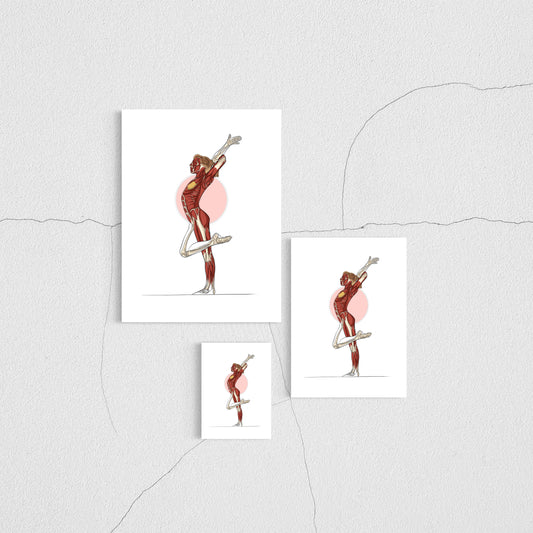
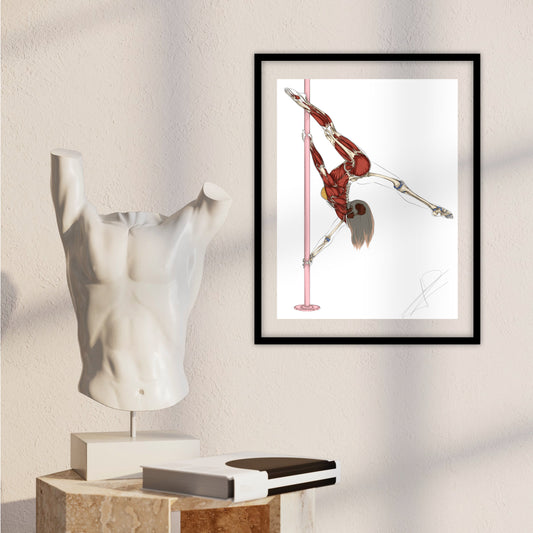
  6. Gymnastics

  7. Boxing

  8. MMA

  9. Judo

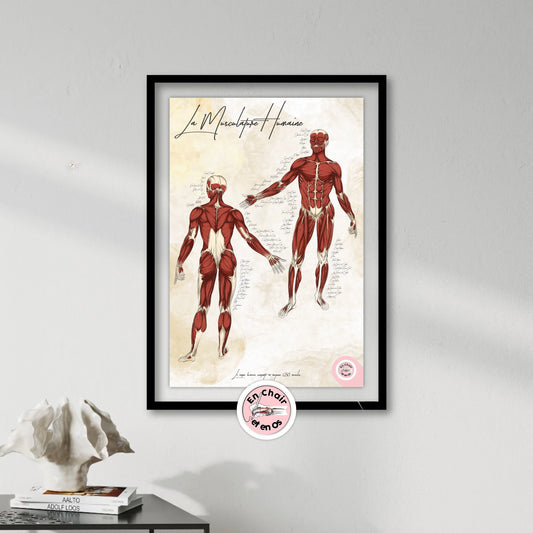
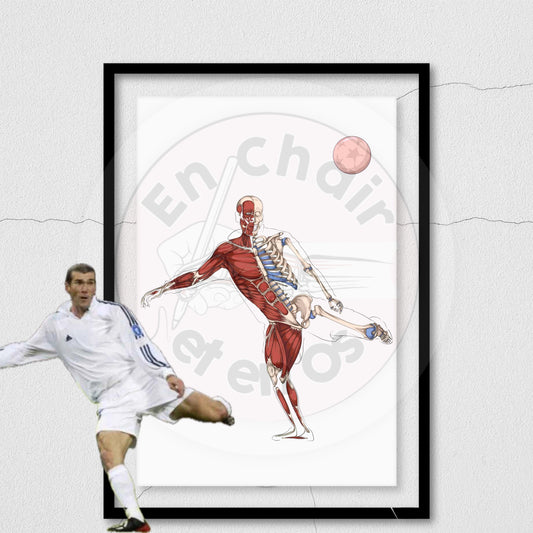
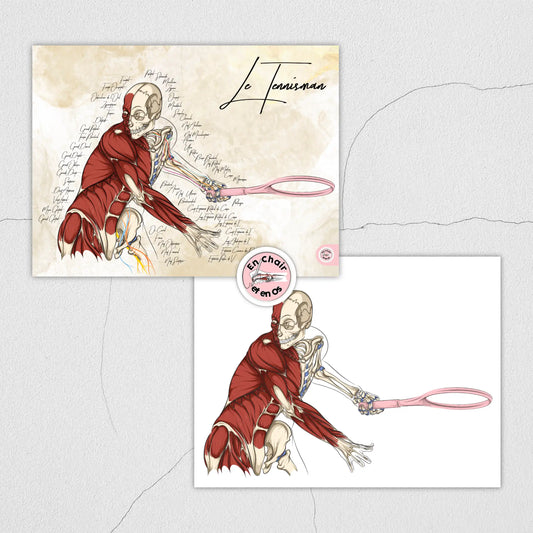
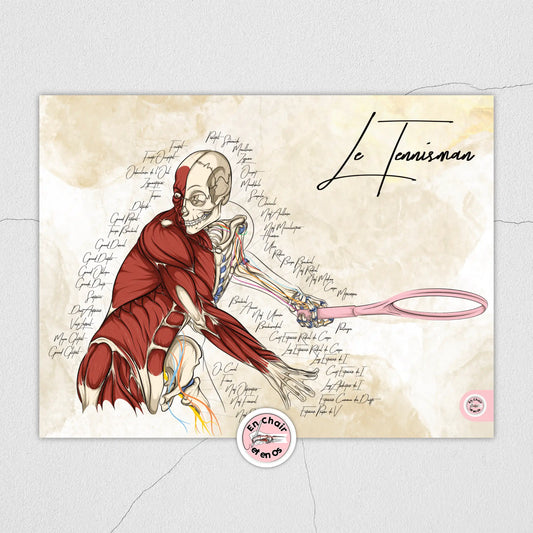
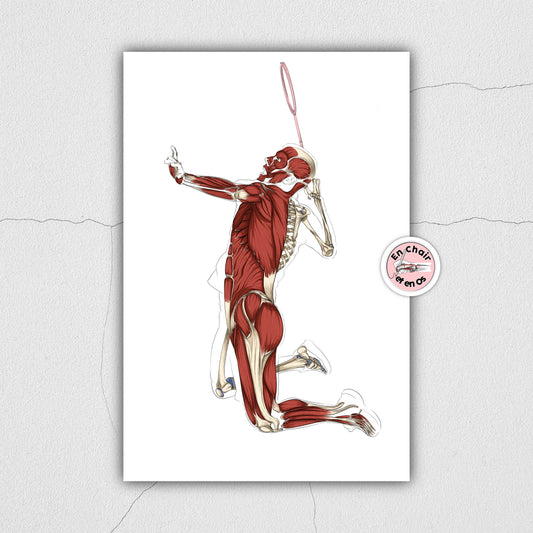
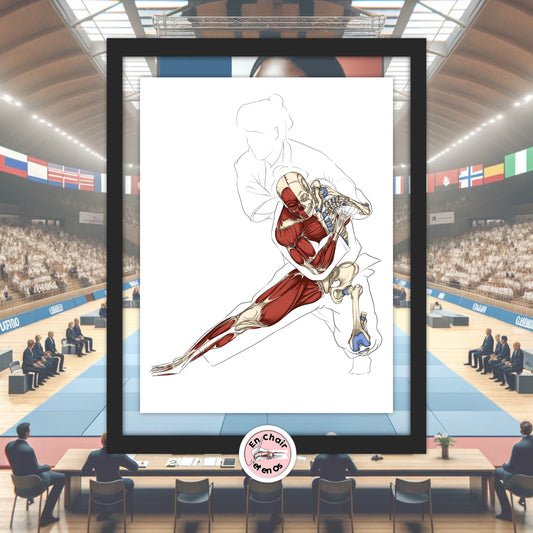
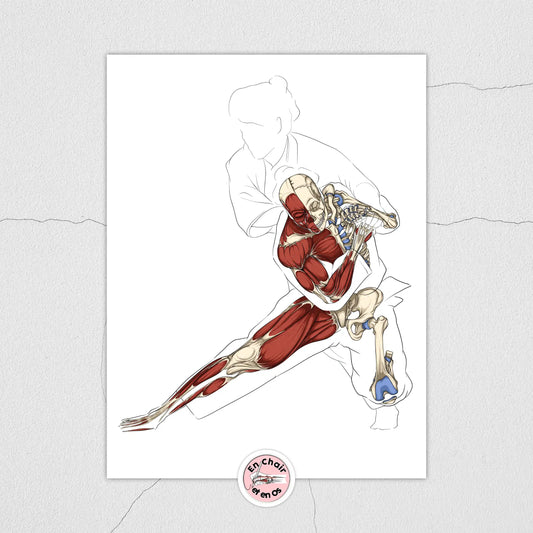
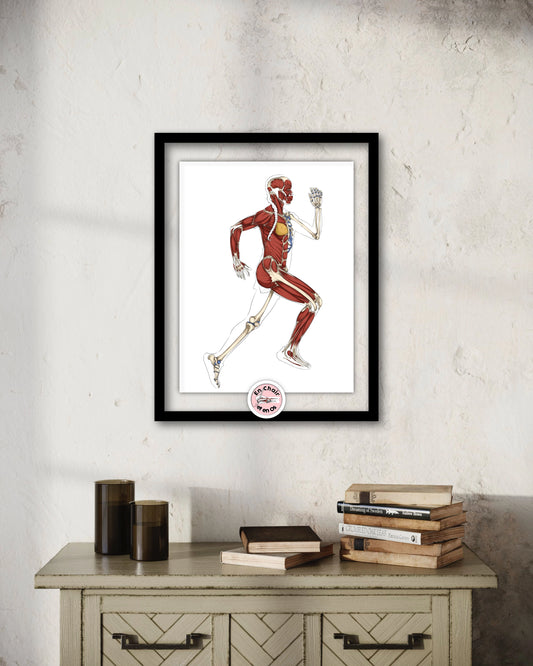
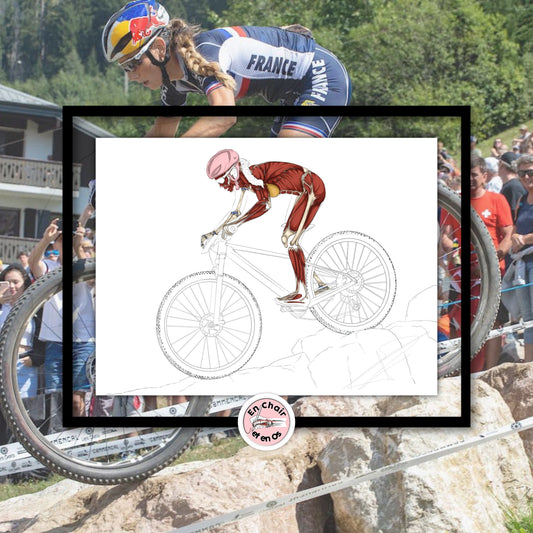
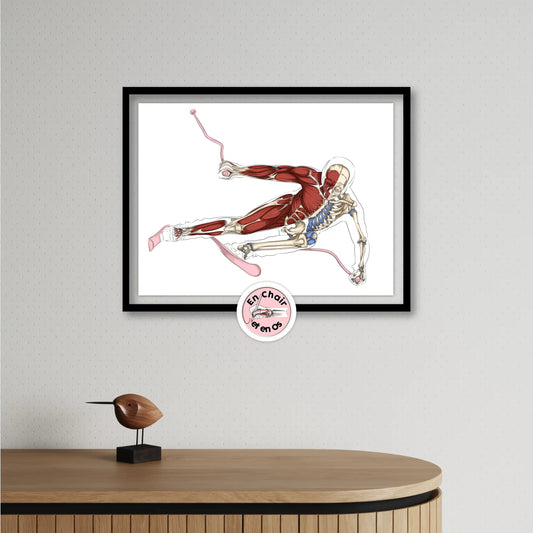
Each anatomical chart reveals the muscles engaged and the specific body structure for each discipline, offering a fascinating and educational perspective on athletes.

B. An educational and artistic tool

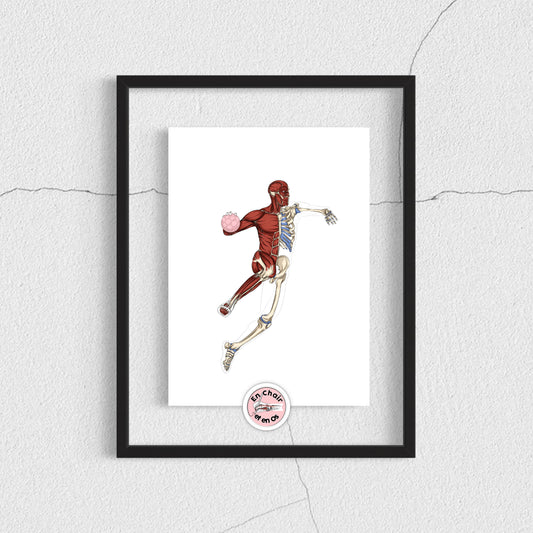
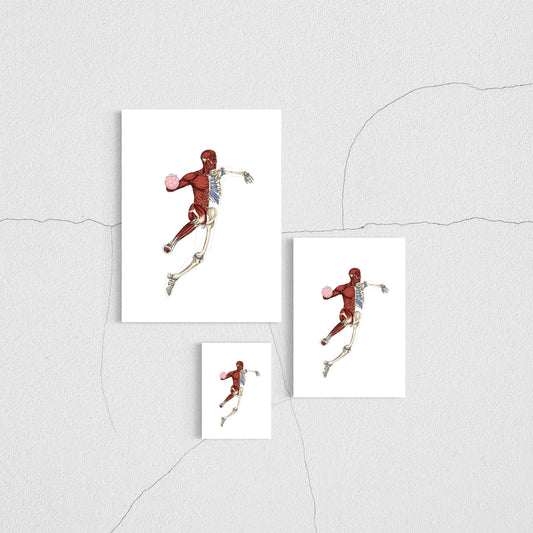
The sports anatomical charts are not only true works of art, but they also constitute a valuable educational tool for students, teachers, and sports professionals. By observing these illustrations, you will be able to better understand the movements, efforts, and strains experienced by the human body during the practice of these disciplines. The handball anatomical chart depicts Nikola Karabatic, a champion of the French national handball team, in the middle of a shot.

C. Anatomy of sports

Understanding human anatomy is essential for athletes, coaches, and sports professionals. By studying anatomy, one can better grasp the mechanisms of each movement, as well as the strengths and limits of the human body. An in-depth knowledge of anatomy allows for the optimization of sports performance, the prevention of injuries, and the facilitation of recovery. The anatomical charts in this collection offer a unique overview of how muscles, tendons, ligaments, and bones interact during the practice of different sports. They can help athletes better understand their own bodies and adapt their training according to their specific needs, while providing coaches and sports therapists with valuable information to improve their understanding of the body, anatomy, muscles, bones, and simply the athlete.

III. The specific anatomy of the athlete

A. The handball player's shoulder

The shoulder is a complex joint that is particularly stressed in handball. Handball players perform numerous throwing and catching movements, which put a severe strain on the muscles, tendons, and ligaments of the shoulder. Among the most stressed anatomical structures in a handball player are the rotator cuff muscles, the deltoid, and the biceps tendons. Shoulder injuries are common in these athletes and can include tendonitis, dislocations, and muscle tears. An in-depth understanding of shoulder anatomy is essential for preventing these injuries and optimizing performance; the handball anatomical chart will remind you of shoulder anatomy when necessary.

B. The rugby player's knee

The knee is a key joint for a rugby player, as it supports body weight and allows for rapid movements, changes of direction, and frequent impacts during tackles. The anterior cruciate ligament (ACL) and posterior cruciate ligament (PCL), as well as the medial collateral ligament (MCL) and lateral collateral ligament (LCL), play a crucial role in knee stability. The menisci, the cartilage discs located between the femur and tibia, provide shock absorption and load distribution. Rugby players are particularly exposed to knee injuries, such as ligament ruptures or meniscal lesions. Knowing the anatomy of the knee and the mechanisms of these injuries can help in implementing appropriate prevention and rehabilitation strategies.

C. The basketball player's ankle

The ankle is an essential joint for basketball players, who must perform jumps, landings, and rapid changes of direction. The ligaments and muscles of the ankle, such as the anterior talofibular ligament (ATFL), the calcaneofibular ligament (CFL), and the peroneal muscles, ensure the stability of the joint and allow for these dynamic movements. Basketball players are often faced with ankle sprains, resulting from a stretching or tearing of the ligaments. A good understanding of ankle anatomy and the mechanisms of these injuries can contribute to the prevention, treatment, and rehabilitation of athletes.

II. Unique works of art

A. The creative process

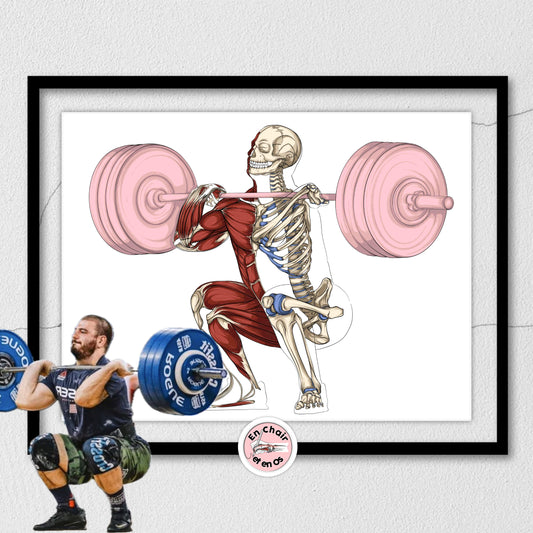
The anatomical écorchés in this collection are custom-drawn according to requests. It is thanks to the precise study of human anatomy and the movements of athletes that these anatomical charts are created, and they can thus decorate your medical offices, osteopathy clinics, or physiotherapy practices.

B. The importance of detail

Attention to detail and anatomical accuracy are mandatory to faithfully represent the muscles, tendons, ligaments, and bones of the human body in each of the anatomical charts. The rugby anatomical chart, featuring our French champion, Antoine Dupont, highlights the musculature of a rugby player in mid-run. If you are a rugby fan and an anatomy enthusiast, this anatomical poster will be perfect for decorating your premises.

III. Quality printing

A. The choice of paper

To preserve the beauty of these works of art, we have chosen to print the anatomical charts on high-quality, Imprim'Vert-certified paper. This paper offers excellent image resolution and increased longevity, ensuring that colors remain vibrant and details are perfectly visible.

B. Imprim'Vert certification

Imprim'Vert certification guarantees environmentally friendly printing and increased durability. You will be able to enjoy these magnificent anatomical charts for many years, while having peace of mind regarding their ecological impact.