In a medical practice, a wall mural is not “just” decoration. It is an element of ambiance that plays a direct role in stress, anxiety, trust, and the patient experience, starting from the very first minute. Whether the space is a city office, a private clinic, a hospital, or medical centers, wall art can help create an environment that is more welcoming, warmer, and better adapted to the reality of care and healthcare work.
On this page, you will find ideas, concrete choices, and an implementation method to launch your mural painting project with complete peace of mind.
Why decorate a medical practice? (and how a mural truly transforms it)
The walls of a medical space are never neutral. A white, empty wall can amplify the feeling of waiting, draw attention to the silence, and reinforce anxious thoughts. Conversely, a work of art can soothe the gaze, occupy the mind, and improve the overall experience.
A successful wall decoration for a practice has three simple objectives:
-
Create a soothing ambiance without overstimulating.
-
Tell a story that is consistent with your visual identity and your values.
-
Make the space more pleasant for patients, visitors, and the team.
Mural, paintings, posters: what is the right choice for your space?
Before choosing “the solution,” you must clarify your need. Do you want a strong transformation (a signature piece), a quick improvement (modular), or a combination of both?
Option A — The custom wall mural (signature of the space)
A wall mural is ideal if you want a visible, durable transformation that is perfectly integrated into the premises. A wall mural for a medical practice can be graphic, narrative, nature-inspired, or more medical without being anxiety-inducing. Customization allows you to adapt the image to your universe, the waiting room, the hallway, or a reception area. Don't own your premises but still want a mural? No panic, you can opt for a mural painted on a removable panel that you can take with you if you move.
A gallery wall or well-chosen prints can provide a strong touch without construction work. This is useful if you have time or budget constraints, or if you are in a trial phase. Be careful, however, to avoid a "generic decor" effect: the ideal is to maintain consistency in color, style, and message.
Option C — Signage, stickers, and complementary elements
These solutions can reinforce wayfinding, education, or a specific zone. They do not always replace a mural, but they can be an excellent tool for balance.
The benefits of a wall mural in a waiting room (concrete benefits)
For the patient: soothe, distract, and reduce the perception of waiting
A well-thought-out mural helps soothe and reduce mental load. It can create a visual anchor—soft and reassuring—that diverts attention from discomfort and waiting.
For the care relationship: establish trust and consistency
The mural can create a bond before a single word is exchanged. It conveys an intention: "Here, we care about both substance and style." This nurtures trust and can improve the perceived quality of the establishment.
For the team: a more pleasant work environment
The staff experiences the space all day long. A more pleasant, warmer atmosphere can make a real difference in the energy of the department and daily comfort.
Mural styles: finding the best direction
There is no single "best" mural style that is universal. The right style is one that respects your expertise, your patients, your constraints, and the identity of the space.
Contemporary graphic mural (effective and legible)
A graphic mural is often the easiest to integrate: shapes, flat colors, lines, and clear composition. It works very well in modern practices and clinics. It can remain discreet while still transforming the space.
A touch of nature (immediate breathing room)
A touch of nature (stylized foliage, abstract landscapes, organic patterns) is excellent for creating a calm atmosphere. Combined with natural light (where it exists) or soft lighting, it helps establish a gentle atmosphere and a relaxing ambiance.
Medical art, poetic anatomy (beauty + education)
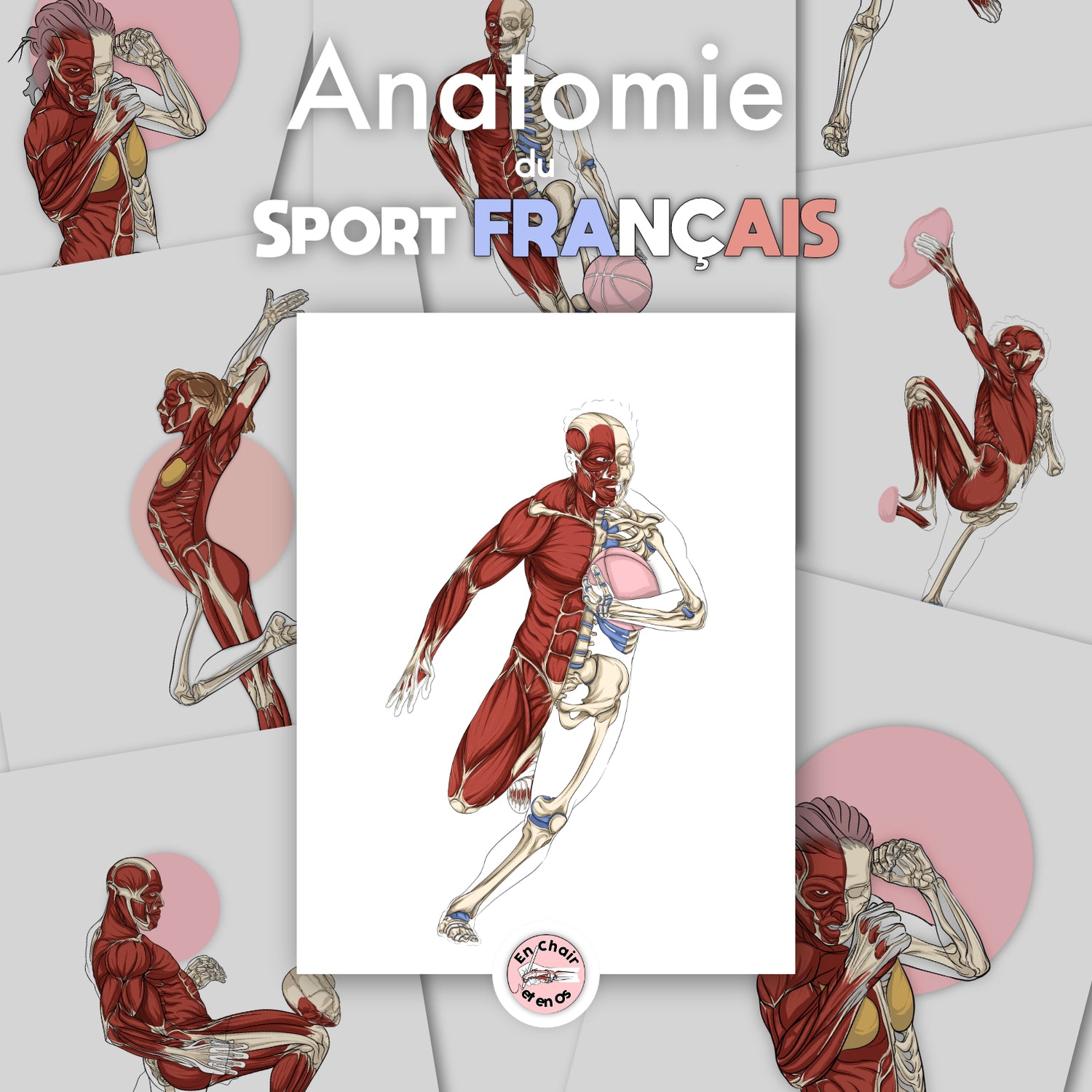
Art with an anatomical theme can be magnificent if it remains sensitive and non-anxiety-inducing. The goal is not to "show disease," but to celebrate life and the complexity of the body with an artistic intention.
Street art, abstract art, contemporary art: yes, but with a method
Street art, abstract art, or contemporary art can be perfectly suitable, provided they are adapted to the medical context: be mindful of contrast, implicit messages, and visual intensity. The practice is not a gallery: the work should serve the ambiance, not dominate it.
Use cases: dental practice, medical practices, hospital and hospitals
Dental practice decoration: reassure without infantilizing
In a dental practice, anxiety is common. A soft, immersive mural (nature, enveloping shapes, reassuring patterns) can help. Avoid images that are too "technical" or too associated with medical procedures. The goal: soothing decoration and a cocoon-like feeling.
Hospital, hospitals and clinic: constraints and consistency
In a hospital or clinic, there are often more constraints: hygiene, traffic, access, scheduling, and internal validation. But the impact can be enormous: hallways, waiting rooms, pediatric departments, family areas. The important thing is to think by zone.
Step-by-step method: launching your project (brief → creation → execution)
Step 1 — Define: objectives, ambiance, identity
Put it in writing:
- The objective of the project (soothe, improve the welcome, affirm identity).
- The zone concerned (waiting room, hallway, reception, treatment room).
- The target style (graphic, nature, black and white, medical art, abstract).
- Constraints: hours, access, odors, noise, dust, presence of patients.
Step 2 — Choice of colors and composition
The choice of color is central to creating a soothing ambiance. A palette that is too saturated can be fatiguing. A palette that is too cold can seem distant. We aim for balance: softness, legibility, and consistency with the interior.
Step 3 — Execution: planning and on-site constraints
Execution depends on the wall (surface, condition, humidity), access conditions, and schedule. At En Chair et En Os, we provide floor protection, a clean organization, and a clear process. The goal is to transform without disrupting the life of the place.
Conclusion: transforming your practice in a professional and sustainable way
A mural painting in a practice or clinic can transform the space, improve the experience, and reinforce trust. Whether it is a graphic mural, a touch of nature, a poetic universe, or stylized medical art, the right project is one that respects constraints, confidentiality, and the role of the place: to welcome, to heal, to reassure.
If you want to take action, start simply: take a photo of the wall, note the dimensions, define the desired ambiance, and choose 1 to 2 references. Then contact me at contact@en-chair-et-en-os.fr to discuss your project and to determine the best way to create a custom wall mural adapted to your premises, your patients, and your identity.