Author: Naël El Kastani
Therapeutic education is an essential element in patient care. As healthcare professionals, your mission is to provide them with clear and precise information about their condition, their treatment, and the impact of their health status on their daily lives. Using anatomical chart models in a medical office proves to be a valuable educational tool, allowing you to concretely illustrate explanations and foster better patient understanding. On our website En Chair et En Os, you can discover a vast category of quality anatomical posters, adapted to different medical fields.
Improving patient-practitioner communication through visual aids
Better understanding back pain
The spine is at the heart of many medical consultations. Whether dealing with lower back pain, conditions like scoliosis, or trauma, an Anatomical Chart - Spine helps clearly illustrate the structures involved.
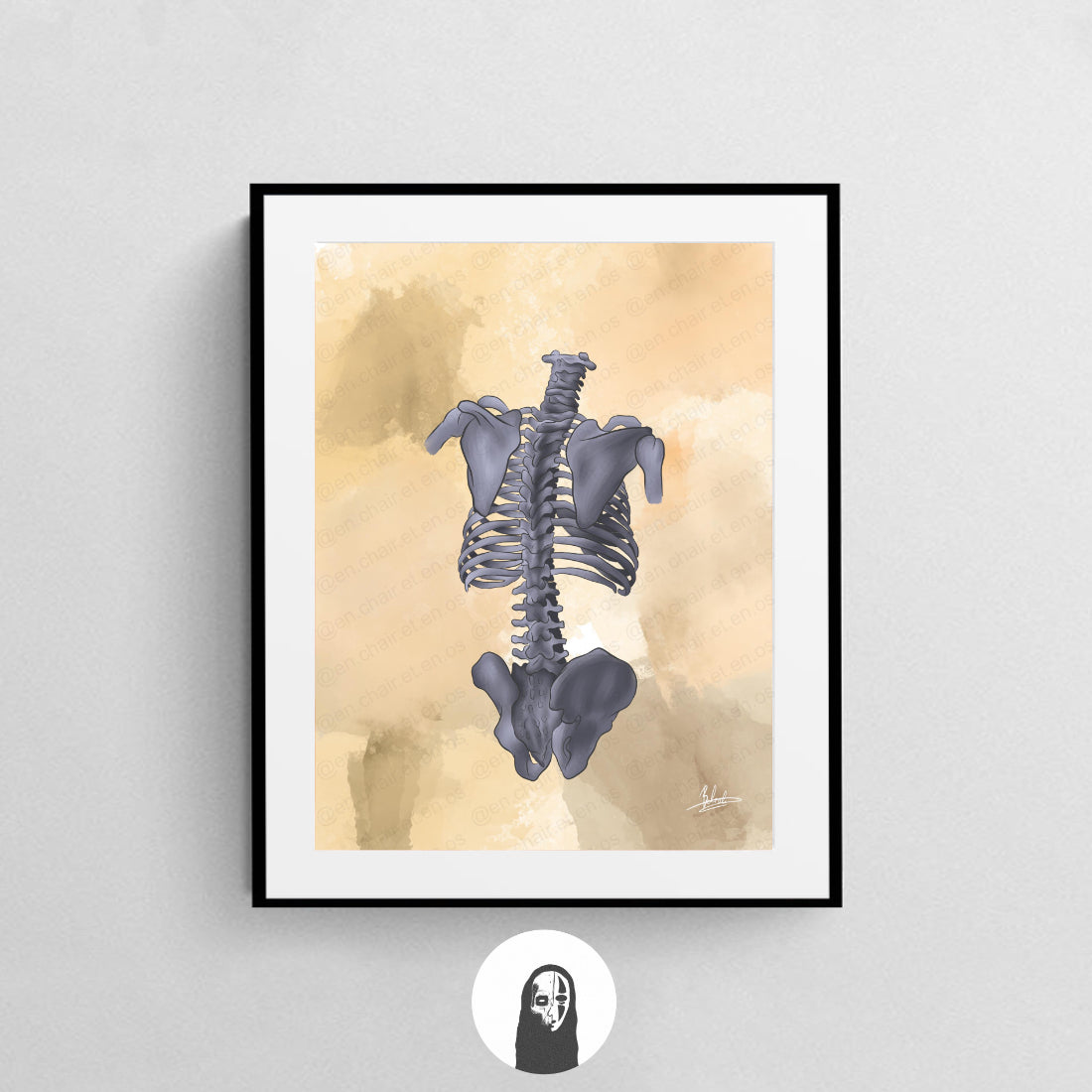
In a medical office, an anatomical poster detailing the cervical, thoracic, and lumbar vertebrae serves as an excellent accessory for explaining the sources of a patient's pain and the impact of their lifestyle on their human skeleton. Thanks to this anatomical chart, the healthcare professional can detail the interactions between intervertebral discs, spinal nerves, and postural muscles. This type of product helps improve patient adherence to their care program and optimizes rehabilitation by fostering an understanding of the anatomy and pathology of their spine.
The impact of jaw tension on overall health
Jaw pain can be linked to many factors: bruxism, temporomandibular joint (TMJ) disorders, or even muscle tension. An Anatomical Chart - Jaw Muscles is an ideal aid for helping patients understand the origin of their pain and the importance of muscle relaxation.
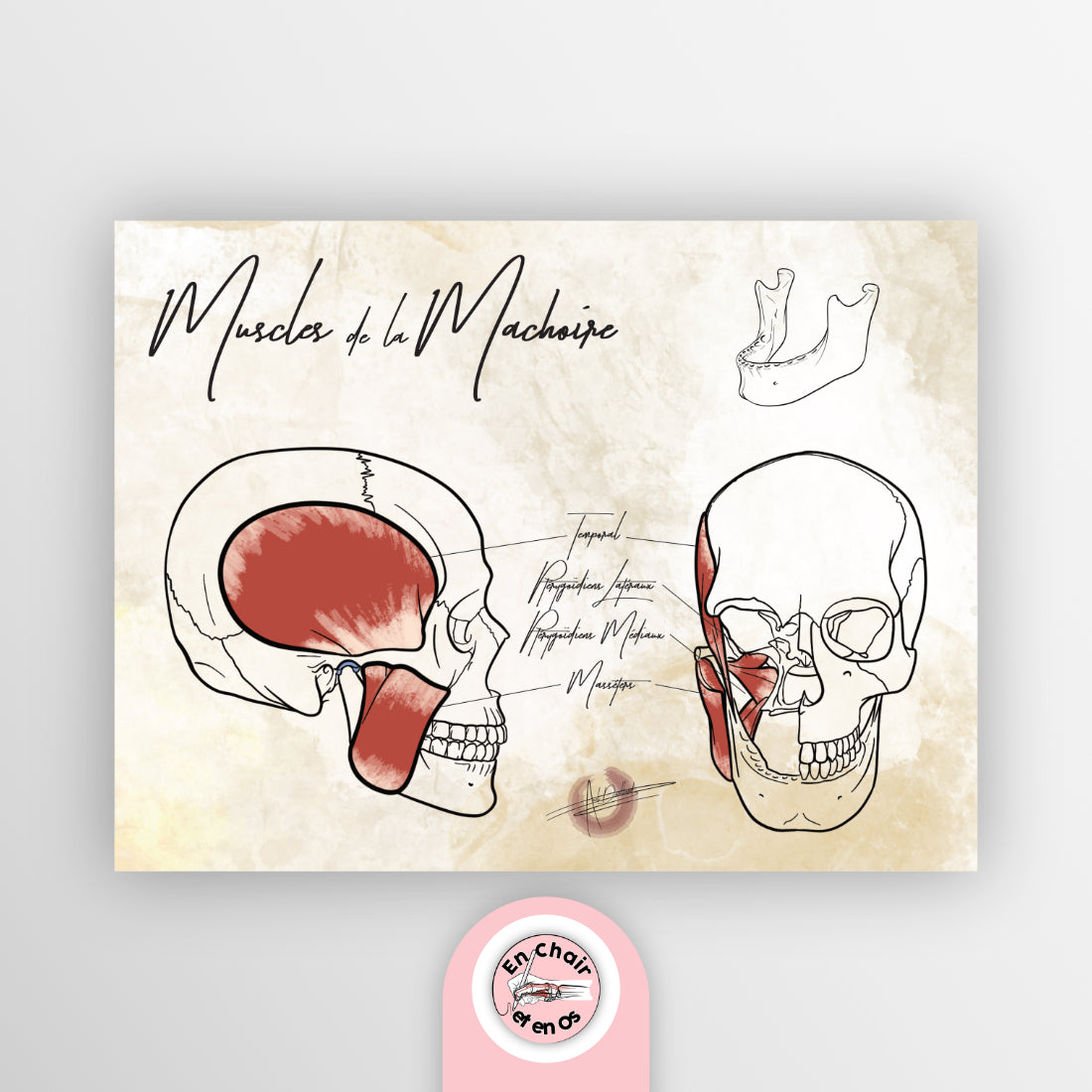
The anatomy of the human body is complex, and the jaw muscles play a key role in posture and masticatory function. In both dentistry and physiotherapy, this chart allows for the explanation of the relationships between the masseter, pterygoid, and temporal muscles, thereby facilitating the referral of the patient to appropriate care.
Optimizing rehabilitation with adapted anatomical posters
The central role of the pelvis in posture
The pelvis plays an essential role in posture and locomotion. An Anatomical Chart – Pelvis helps explain the anatomy of this region and the interactions between bones, ligaments, and muscles. In physiotherapy, this product is an excellent tool for illustrating postural disorders and presenting corrective exercises.
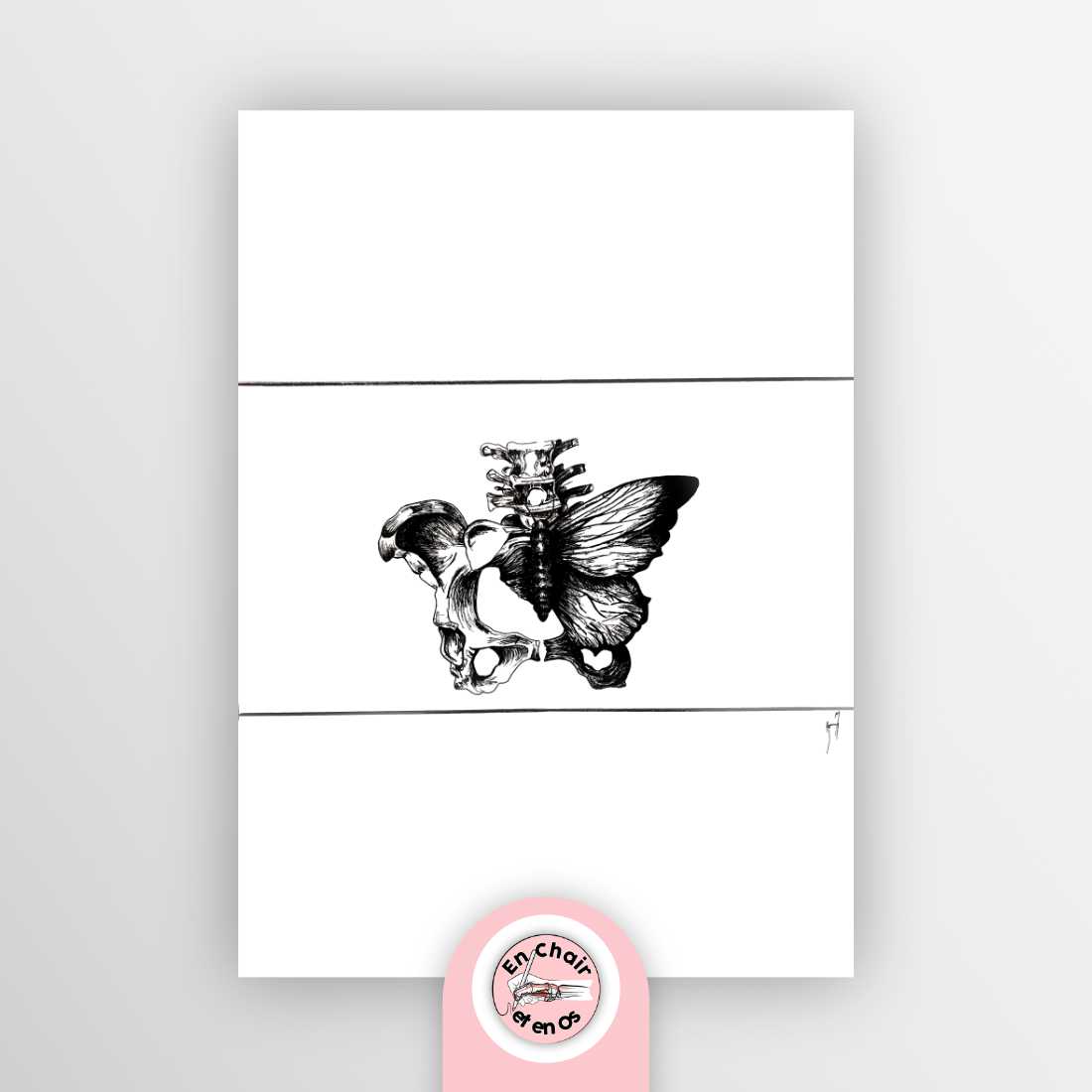
The pelvis is the anchor point for numerous muscle groups and a key element of human skeletal stability. An anatomical poster detailing bone structures, such as the ilium, ischium, and pubis, as well as their ligamentous and muscular connections, helps the patient better understand the importance of good postural alignment to prevent lower back pain and improve joint stability. Available in various formats, this product is printed and laminated on quality paper and can be easily ordered via our website En Chair et En Os, for fast delivery and a secure payment system.
Better pain management through understanding the nervous system
Understanding how the nervous system functions is paramount to better grasping certain neurological conditions or chronic pain. The Anatomical Chart - Nervous System, Rodin's Thinker is an ideal didactic accessory for explaining to patients the organization of spinal nerves and their role in transmitting pain signals.

This chart also highlights the interaction between the central and peripheral nervous systems, thereby facilitating the understanding of neurophysiological treatments. In consultation, this chart can be used to illustrate various types of diseases like neuropathies, nerve compressions, or even sciatica, by offering a clear view of nerve pathways in the human body.
Providing precise information to improve prevention
Raising awareness of foot and ankle disorders
The foot is a complex structure that supports the weight of the human body and absorbs shock with every step. An Anatomical Chart - Foot, lateral view is an excellent model for showing the interactions between the bones, joints, and ligaments around the ankle.
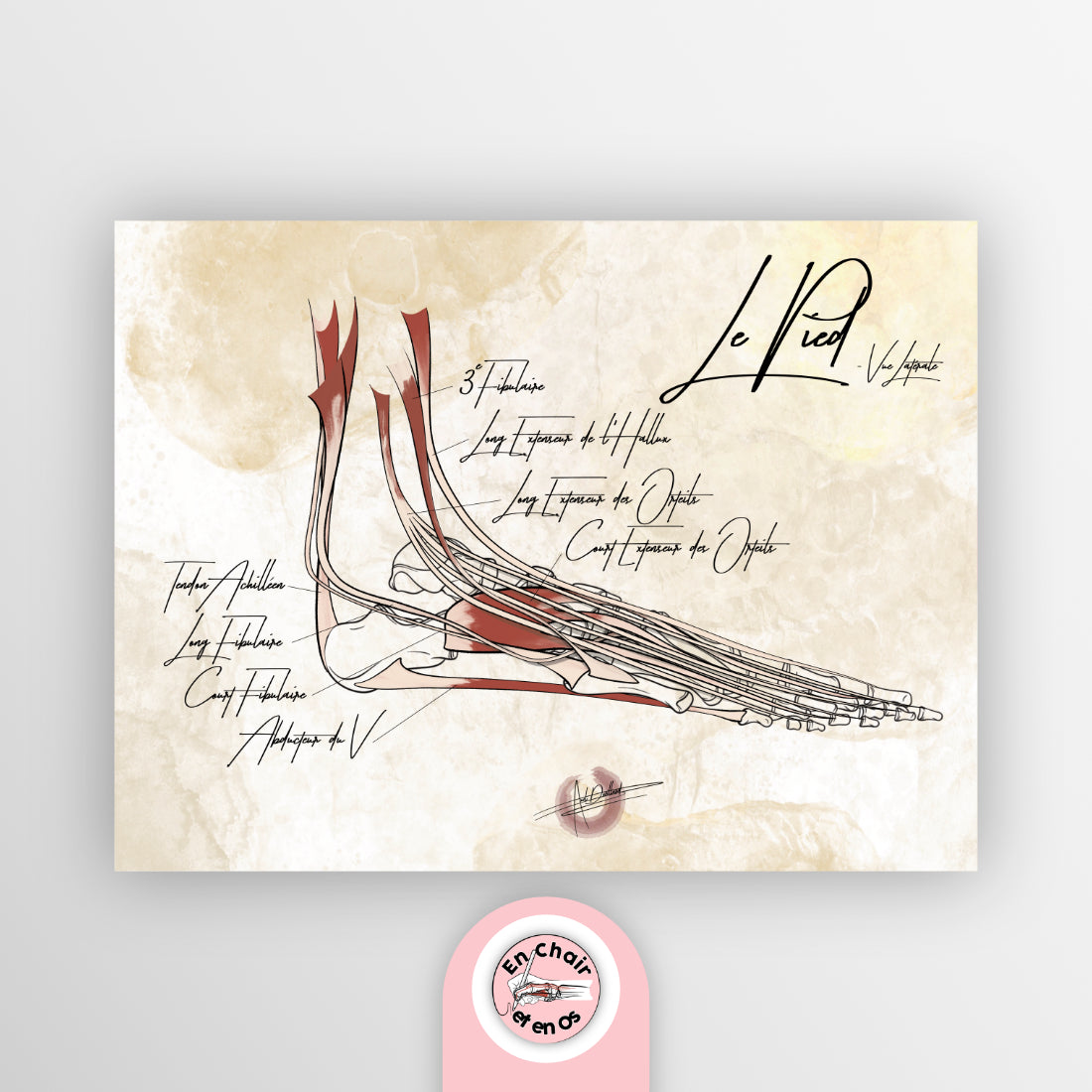
In a medical office, this anatomy poster is particularly useful for explaining to patients suffering from plantar fasciitis or deformities how to adapt their posture and choice of footwear to avoid pain. This chart also provides a better understanding of the anatomy and pathology of the foot, highlighting the importance of muscle strengthening and postural rehabilitation exercises.
Supporting patients during pregnancy
During pregnancy, the human body undergoes profound transformations. An Anatomical Chart - Pregnancy allows you to explain the evolution of her body to the patient month by month, highlighting changes in the uterus, skeleton, and posture.
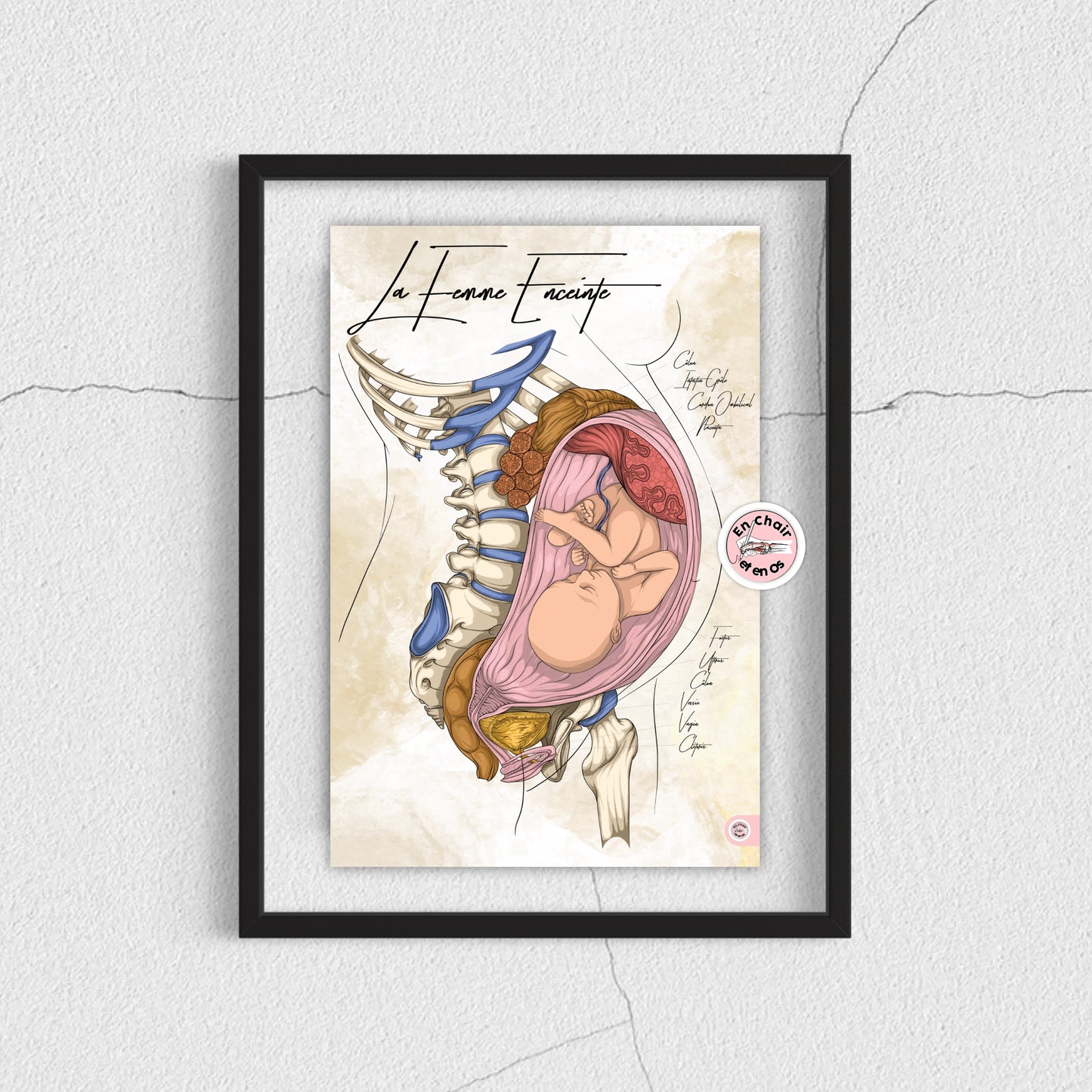
This tool is particularly useful in obstetrics and perineal physiotherapy for raising awareness among expectant mothers about the importance of preventing lower back pain and postpartum rehabilitation. This anatomical poster allows for the visualization of hormonal and mechanical changes that influence posture and balance, and explains to patients the importance of pelvic floor strengthening and adapted exercises to promote good recovery after childbirth.
Conclusion
Anatomical posters are an essential support for therapeutic patient education. By allowing for a better understanding of the human body, they foster adherence to care and optimize communication in the medical office. Available on our website En Chair et En Os, these anatomical posters offer detailed precision of anatomical structures and prove to be indispensable tools for any healthcare professional. Thanks to a wide range of products adapted to different medical specialties, it is possible to order the most relevant posters for your practice and thus improve the quality of patient care. Adding these accessories to your consultation space is an effective way to enrich explanations and provide extra comfort to patients in their understanding of their own anatomy.