Written by: Naël El Kastani
Facilitating the understanding of human anatomy
Making anatomy accessible to the patient
Understanding human anatomy can be a challenge for many patients. Anatomical charts are crucial for making this understanding more accessible. For example, the Anatomical Chart - Human Skeleton provides a detailed view of the human skeleton. This anatomical poster is a valuable tool in a medical office, offering a clear illustration of the spine, hands, feet, and other important bone structures.
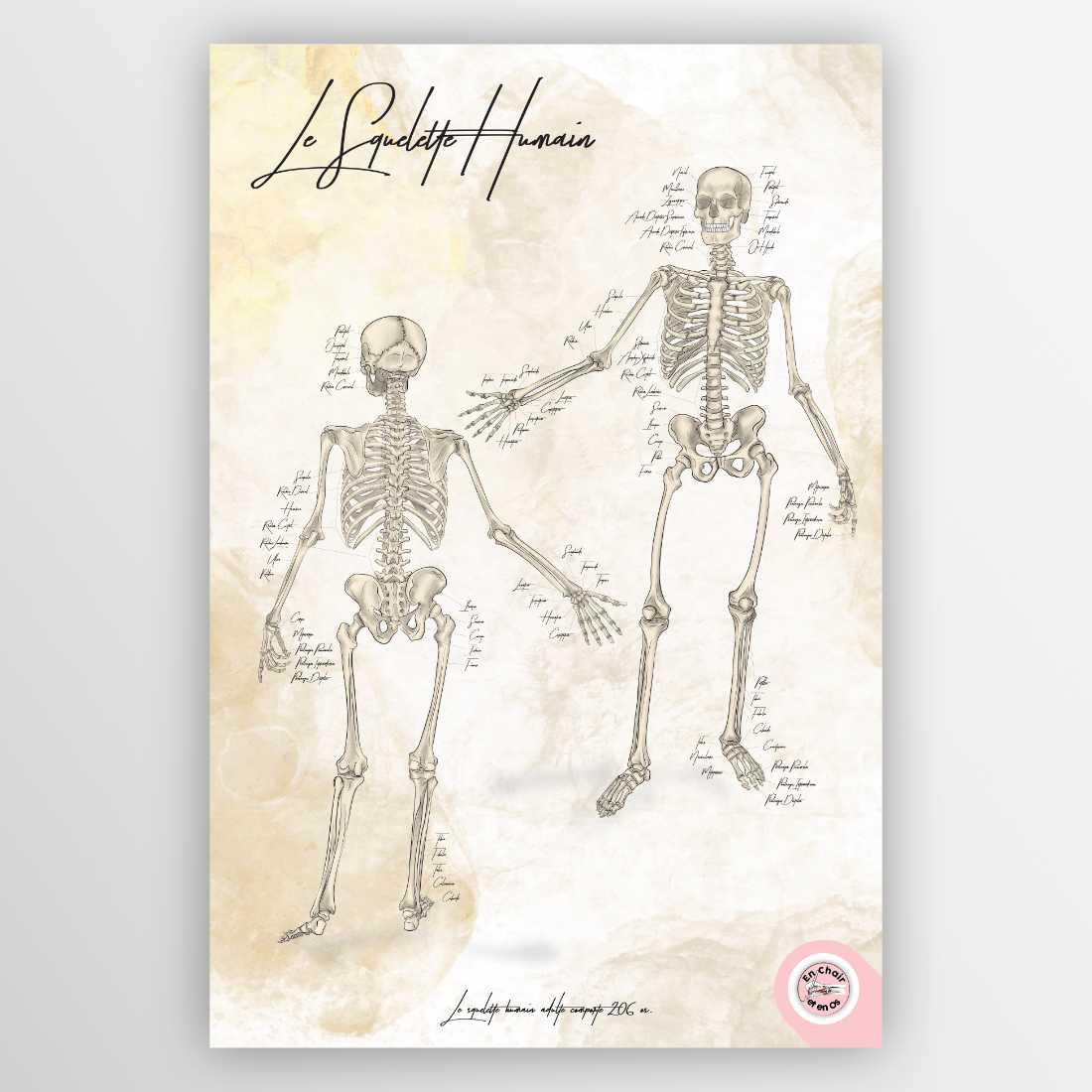
By using this anatomical chart during consultations, you, as healthcare professionals, can explain conditions such as fractures, osteoporosis, or skeletal deformities. This poster helps patients visualize the affected structures, making explanations more understandable. This improves patients' ability to follow treatment recommendations and understand their medical journey.
Simplifying the explanation of pathologies
Anatomical charts are also essential for explaining pathologies visually. The Golfer's Anatomical Model, available on En Chair et en Os, is ideal for illustrating specific sports-related pathologies. This anatomical poster shows the muscular and skeletal structures of the golfer and can be used to explain pathologies such as shoulder labrum lesions, radial nerve compression syndromes, or lower back pain due to repetitive movements.
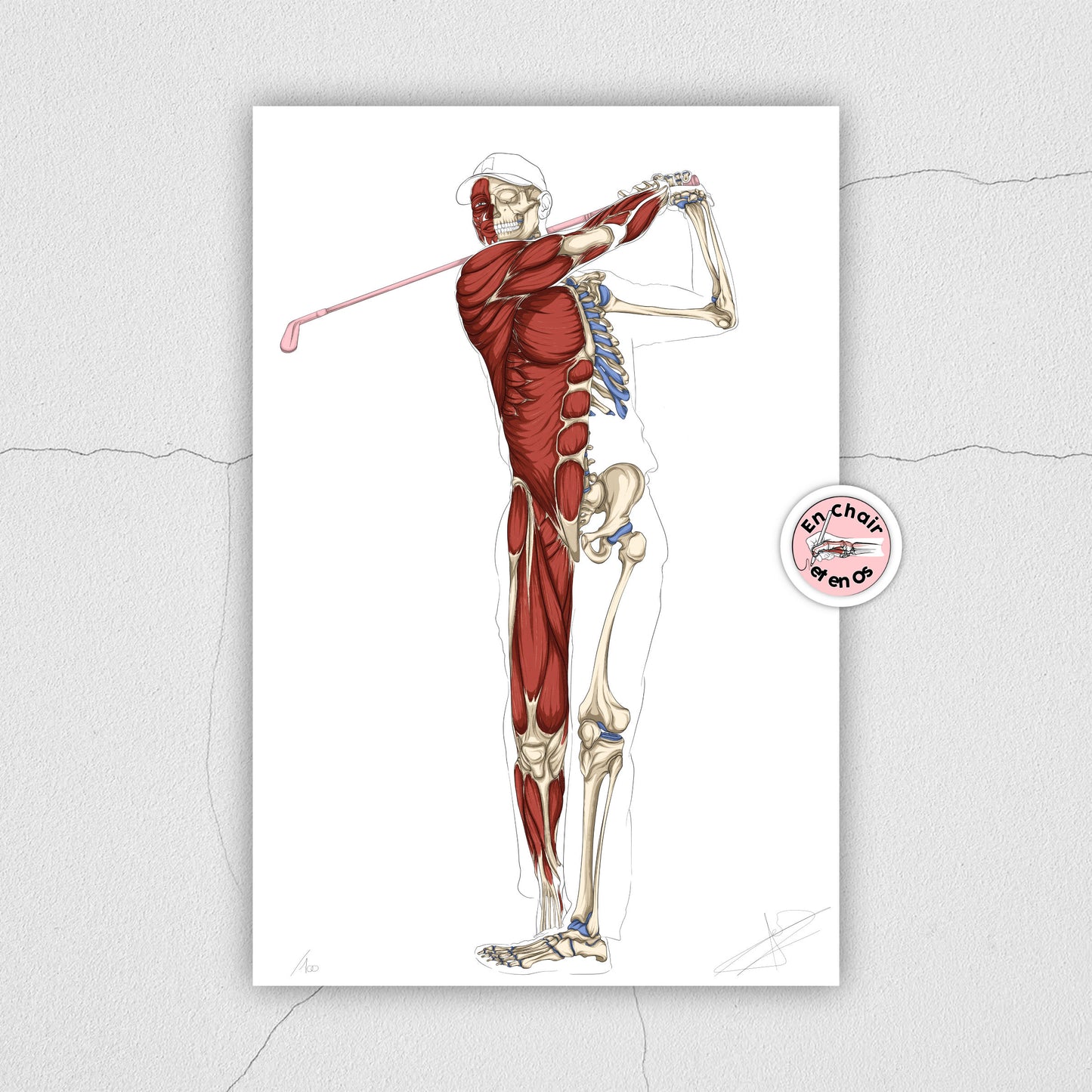
This anatomical poster allows patients to see the affected areas and better understand their diagnosis. By making explanations more tangible and visual, anatomical charts help reduce patient anxiety and strengthen their understanding of the proposed treatments.
Improving communication during consultation
Making consultations more interactive
Consultations become more dynamic and engaging when you use anatomical posters to explain medical concepts. The Anatomical Chart - Pregnancy, for example, is perfect for illustrating the different stages of fetal development. This anatomical poster allows patients to visually follow the development of their baby, thus facilitating discussions about pregnancy and prenatal events.
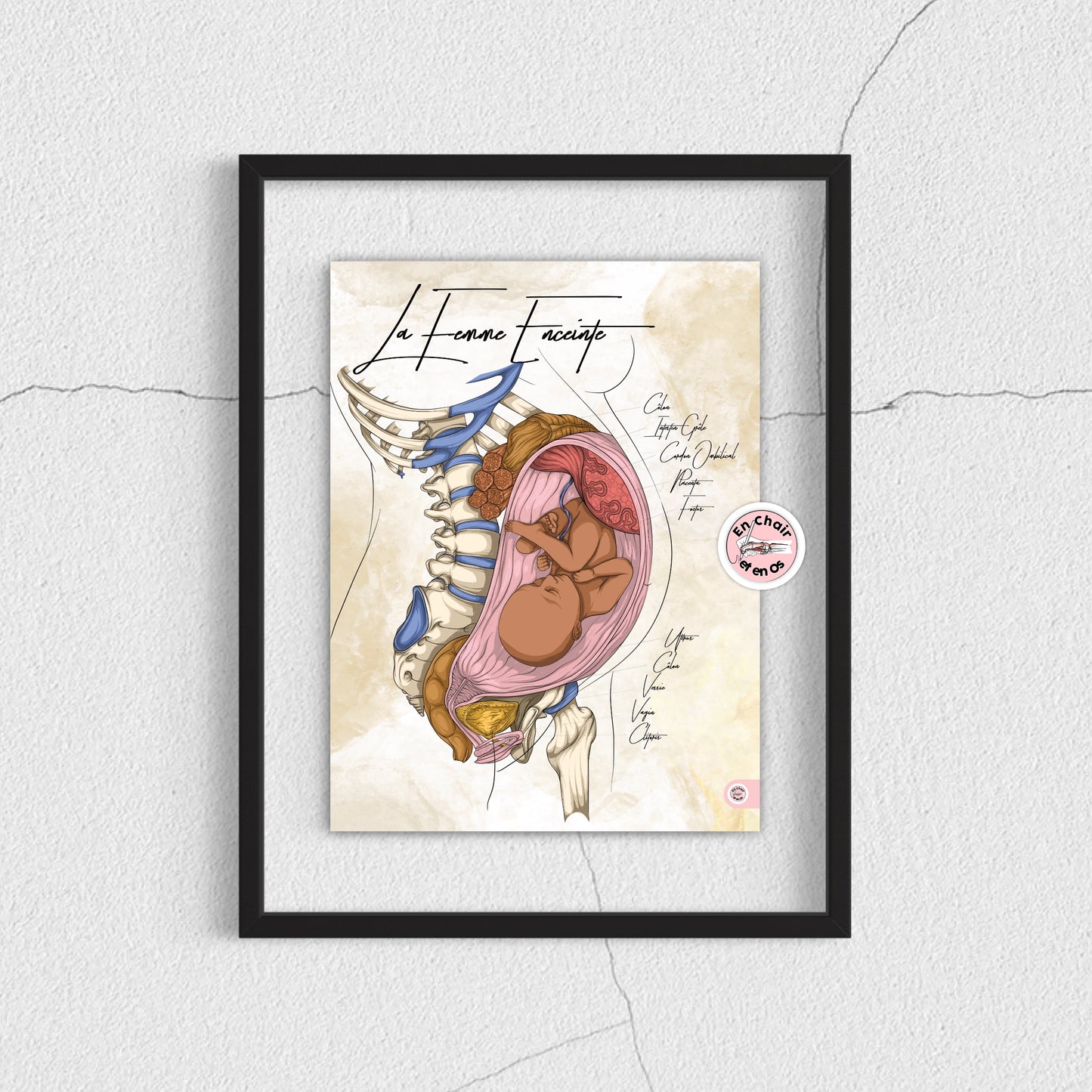
By integrating these educational materials into consultations, healthcare professionals can transform exchanges into more interactive and informative discussions. This helps patients better understand medical information and feel more involved in their own healthcare journey.
Adapting information to the patient's level of understanding
Every patient has a different level of understanding when it comes to medicine. Anatomical charts allow you to personalize explanations for each patient. For example, the Anatomical Chart - Pelvis is ideal for explaining procedures like hip arthroplasty. This anatomical poster shows the bony and articular structures of the pelvis in detail, facilitating a clear explanation of the steps involved in the procedure.

By using these anatomy charts, you can adapt the information to meet the specific needs of your patients. This improves the understanding and retention of information, as well as the patients' confidence in the proposed treatment.
Strengthening patient adherence and active participation
Encouraging treatment adherence
Education plays a key role in treatment adherence. Anatomical posters help patients understand their condition and accept recommended treatments. For example, for a post-operative rehabilitation program, an anatomical chart such as the Anatomical Chart - Musculature can illustrate the muscles and exercises necessary for rehabilitation. This chart shows how exercises affect muscular structures, which can motivate the patient to follow the program more diligently.
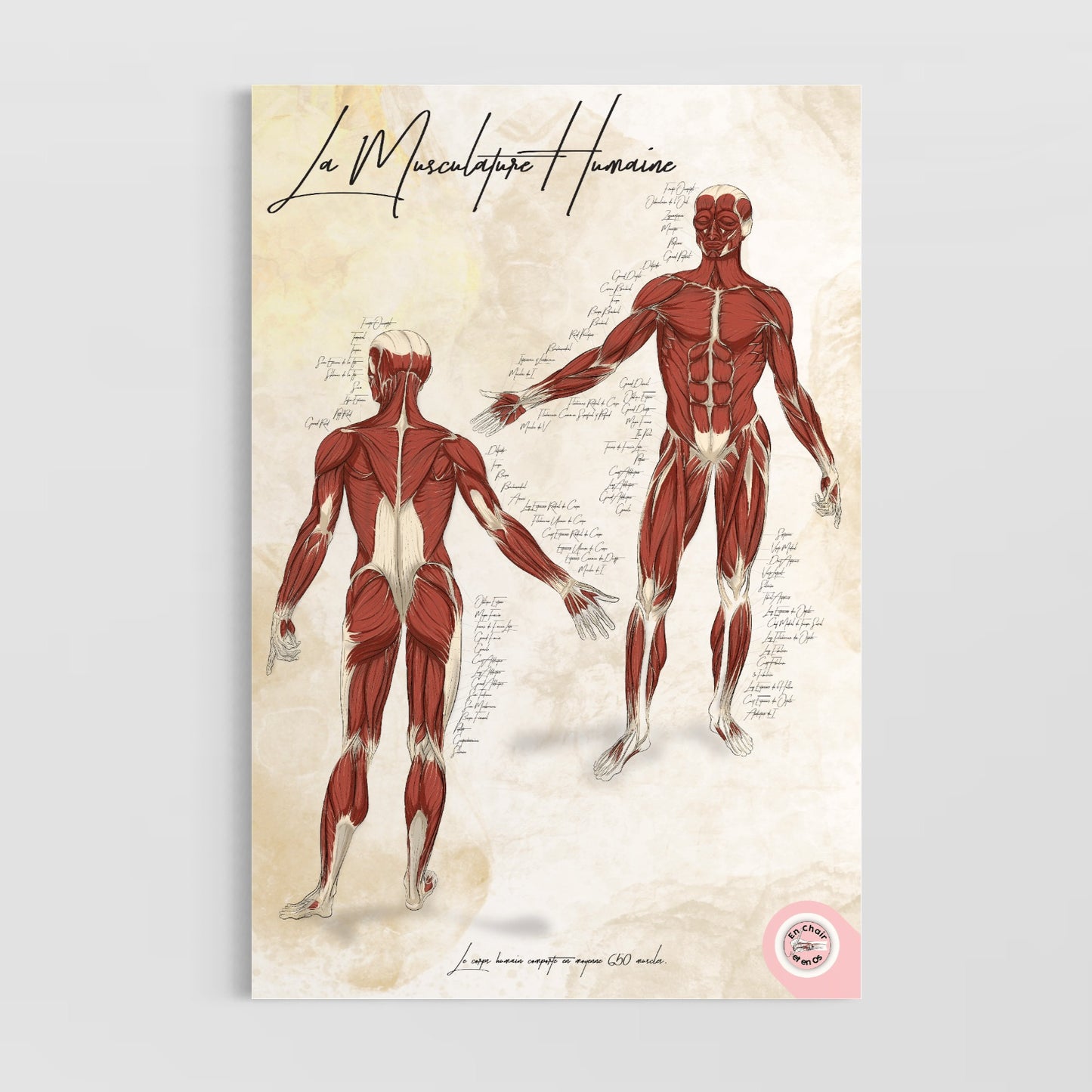
By providing clear visualizations of the benefits of each exercise or treatment, the charts increase adherence to treatment protocols and help improve care outcomes.
Promoting prevention and ongoing education
Anatomy posters are also valuable for prevention and ongoing patient education. By displaying anatomy charts in your medical office, you offer an opportunity for continuous learning. For example, the Anatomical Chart - Foot can raise patient awareness about the importance of foot care and podiatry. This anatomical chart can encourage patients to adopt good preventive practices.
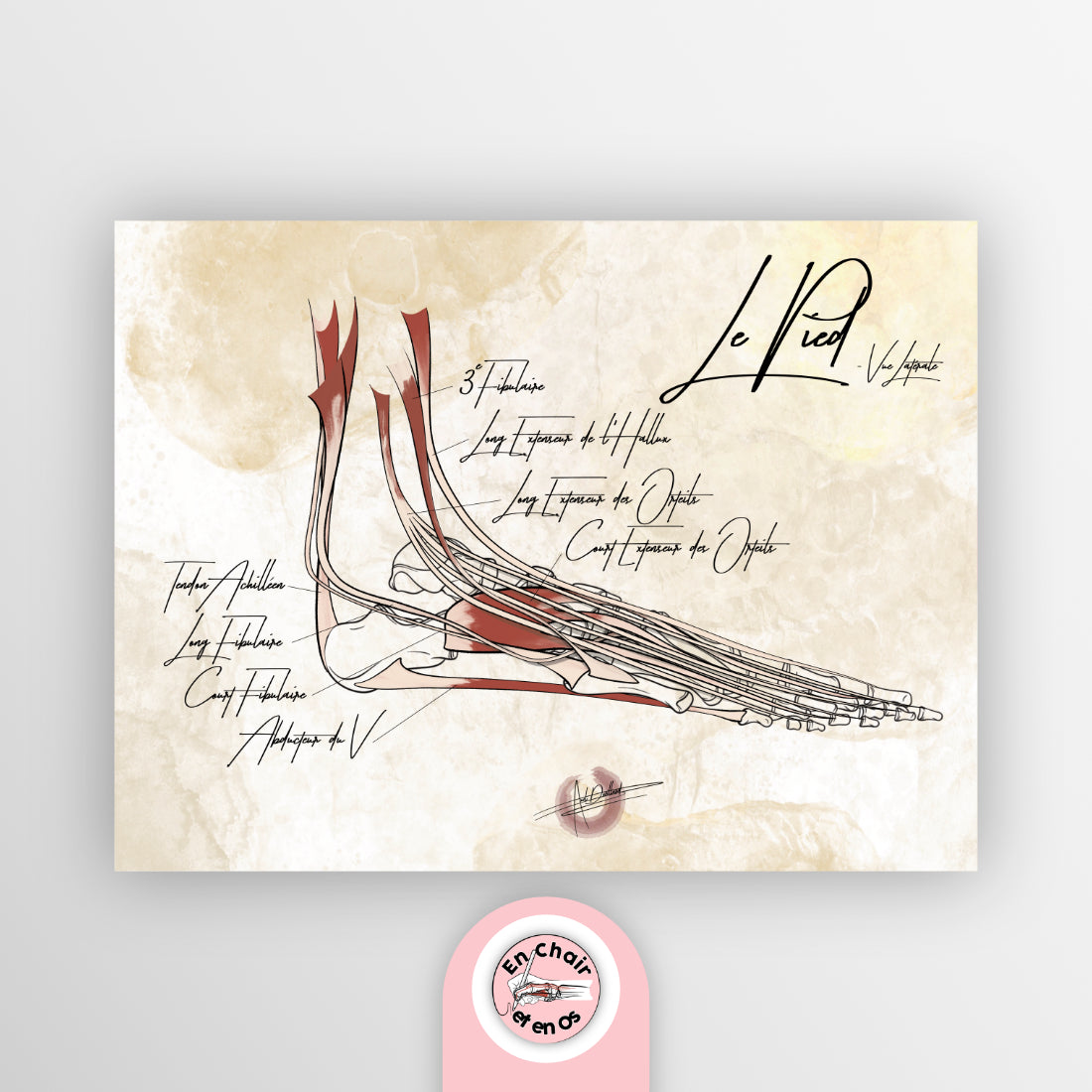
By having these educational aids visible in the medical office, patients can become familiar with their human body and prevention issues even outside of consultations. This helps reinforce understanding and encourages a proactive approach to their health.
Conclusion
In conclusion, anatomical charts are essential educational tools for patient education. They facilitate the understanding of human anatomy, improve communication during consultations, and strengthen treatment adherence. By integrating these products into their daily practice, healthcare professionals can not only improve the quality of care, but also offer ongoing education and bolster patient trust in their health journey. These educational materials are available at En Chair et en Os, with fast delivery, secure payment, and a wide range of anatomical chart types adapted to various medical needs.