Author: Naël El Kastani
Improve the aesthetics of your medical office with En Chair et en Os
Create a professional and polished atmosphere in your medical office
A well-placed En Chair et en Os anatomical chart immediately adds a professional touch to your workspace. For example, a human skeleton anatomy chart with its precise details and laminated or non-laminated format can enhance the look of your office.
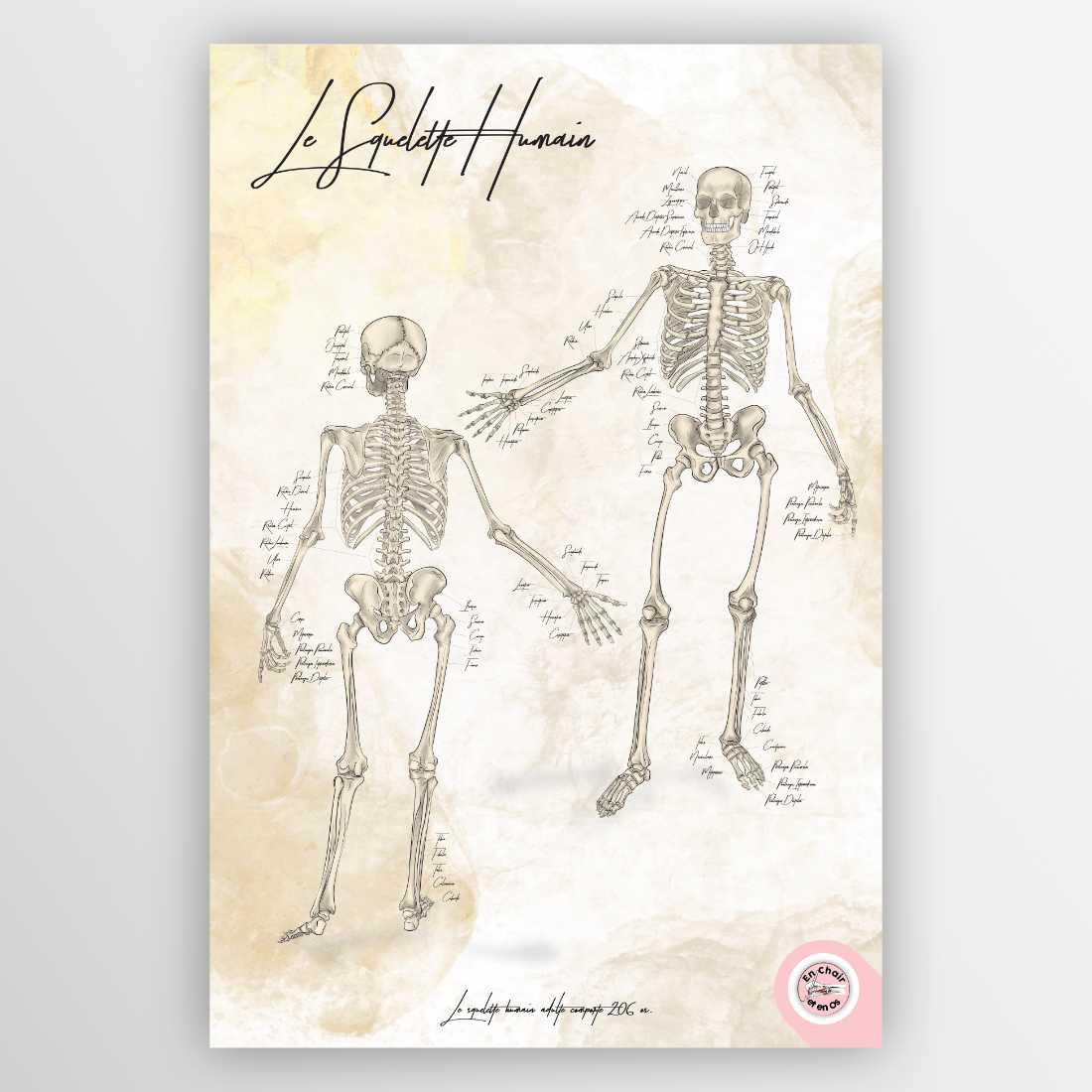
Imagine a patient entering for the first time: seeing these illustrated anatomical posters of the human body helps create an atmosphere where education and understanding are valued. Adding anatomical charts to your space also shows that you value the appearance of your office. It is a simple yet effective way to show the investment you make in providing quality care. Each chart, when well-placed, contributes to the ambiance, reinforcing the impression of seriousness and professional competence, while providing a valuable educational tool for patients.
Add an artistic and educational touch
Anatomical charts are often true works of art. With detailed and aesthetic illustrations, they add an attractive visual dimension. An anatomical chart of human musculature, for example, can add a touch of color and sophistication.
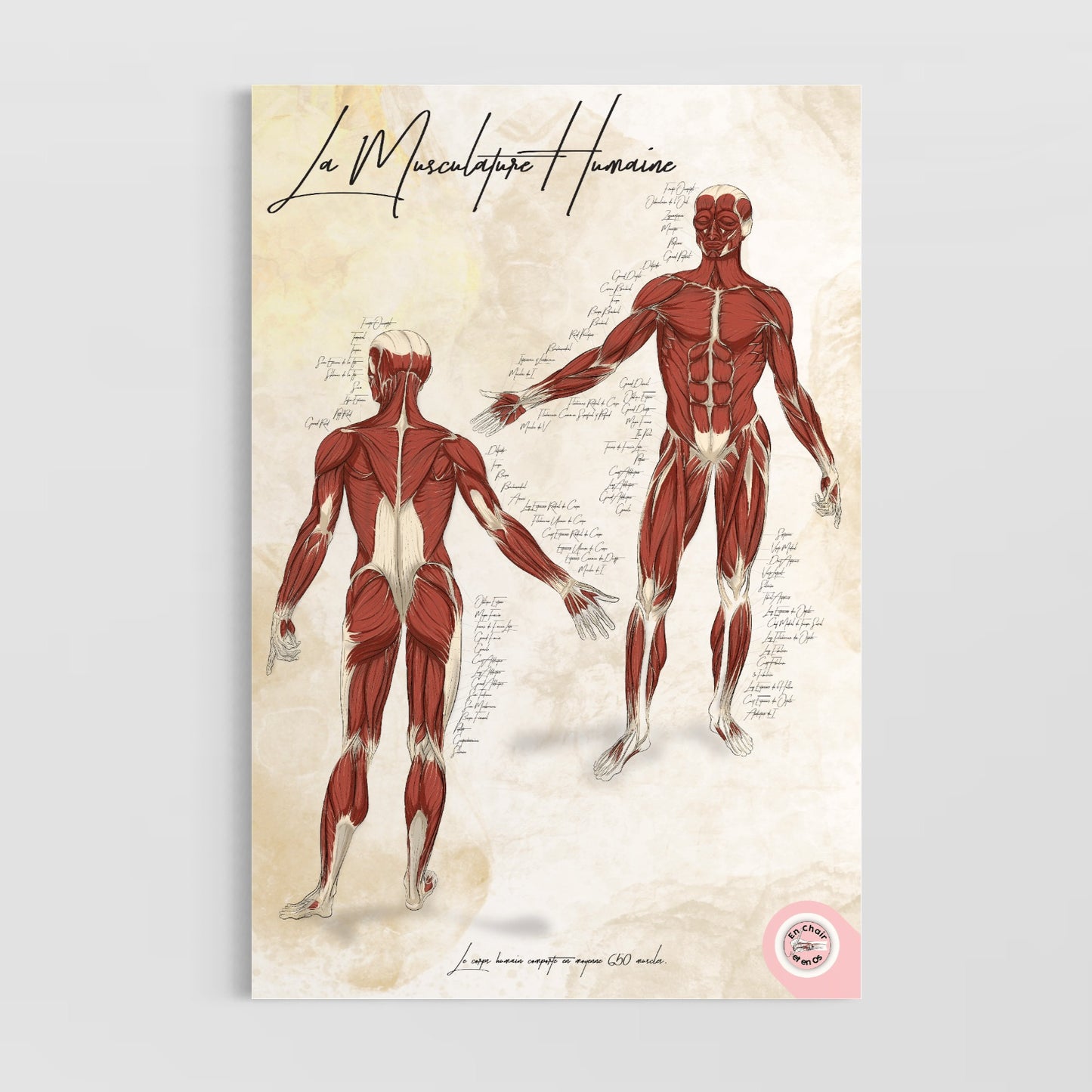
Patients will appreciate the effort and attention to detail in their experience, reinforcing their confidence in your skills and the quality of the care you offer. By personalizing the space with suitable anatomical charts, it also shows your commitment to patient education and well-being. Each carefully chosen model can serve not only to inform but also to inspire and reassure those who seek to understand their anatomy and health in depth.
Enhance patient reception and comfort in your office
Put patients at ease with the waiting room decor
When patients enter a waiting room and see anatomy posters hanging on the walls, they immediately feel a sense of familiarity and understanding. Illustrations of the human body allow them to clearly visualize the different parts and functions of their anatomy. This visualization reduces their anxiety by demystifying medical aspects that may seem complex or unknown. By better understanding their own body through these diagrams, patients feel more confident and at ease when they meet their doctor. This familiarity also facilitates communication with the practitioner, as patients can ask questions and discuss their symptoms in greater depth.
Encourage curiosity and engagement through human body anatomy posters
Anatomy charts encourage curiosity and engagement in patients. By examining these detailed drawings before their consultation, they can familiarize themselves with the anatomy specific to their health condition. This preliminary activity not only makes the wait more pleasant by occupying their mind, but it also allows the patient to better visualize explanations during the consultation. By investing in their own knowledge and concretely visualizing the anatomical aspects of their condition, the patient develops a sense of confidence in the treatment being offered. This also strengthens communication with the patient, fostering more proactive and personalized care.
Personalize and optimize the space with anatomical posters
Adapt charts and anatomical posters to your specialty
Take the example of a patient coming in for back problems, which can range from a herniated disc to simple muscle tension. Choosing an anatomical chart of the spine that accurately shows the vertebrae and intervertebral discs would be interesting.
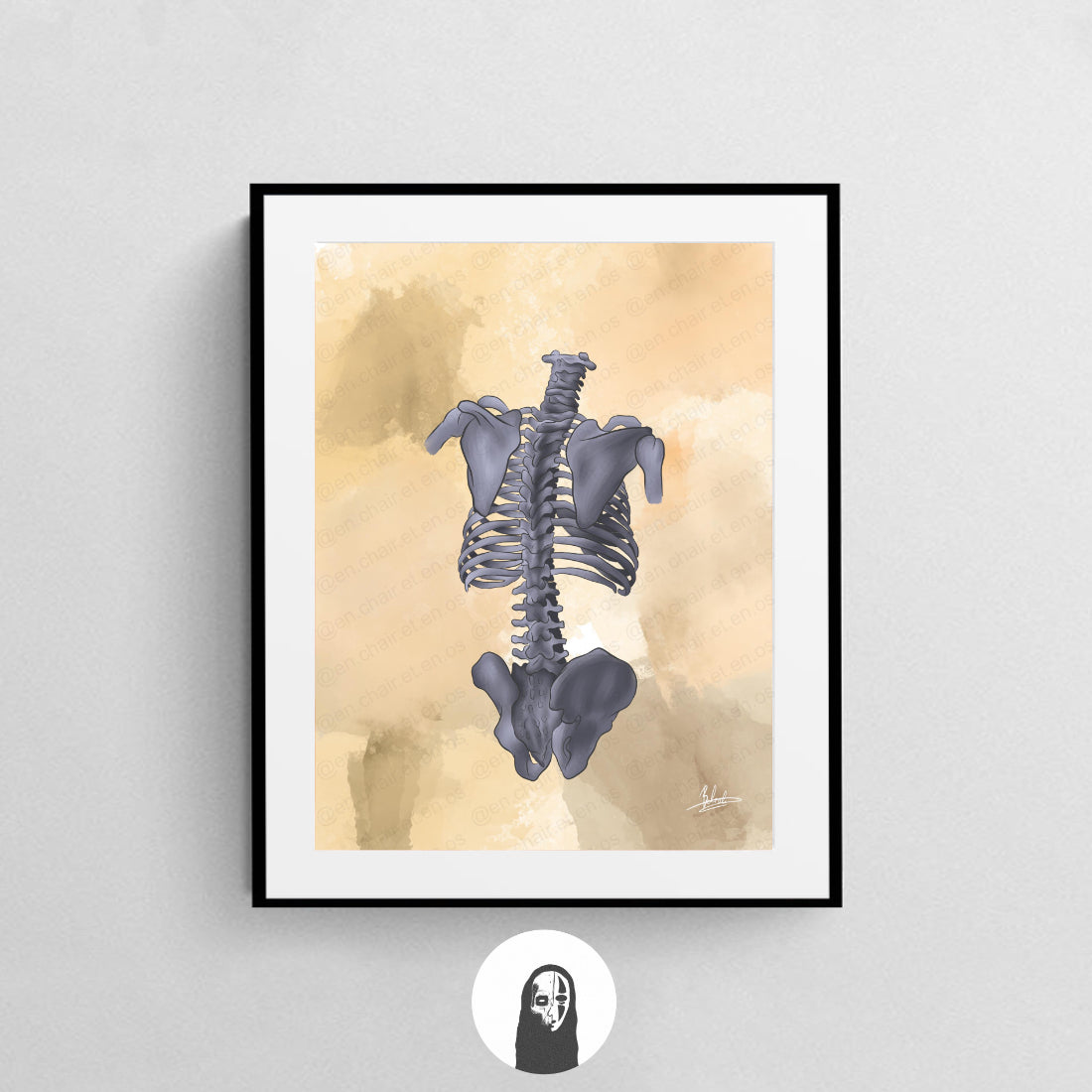
By displaying an anatomical chart in the waiting room, patients can clearly visualize the areas of the spine affected by their problems. This visualization helps educate patients about the anatomy of their back and better understand the chiropractic, osteopathic, or physiotherapy adjustments they may receive. By seeing this anatomical chart, patients feel reassured and informed, knowing that you use professional visual tools to explain their condition and the recommended treatment. This approach adapted to your specialty shows not only your expertise but also your commitment to the well-being of your patients.
Optimize the workspace
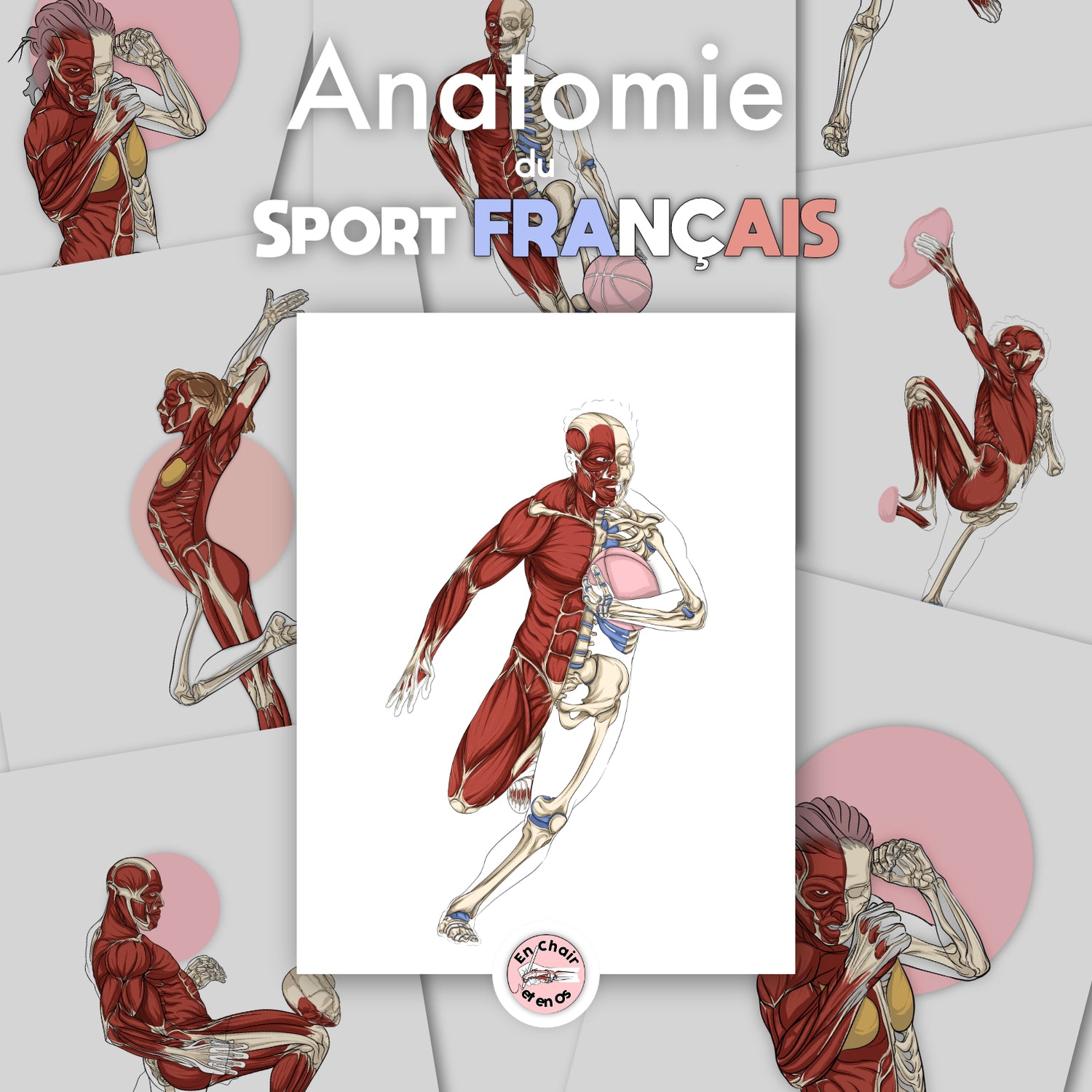
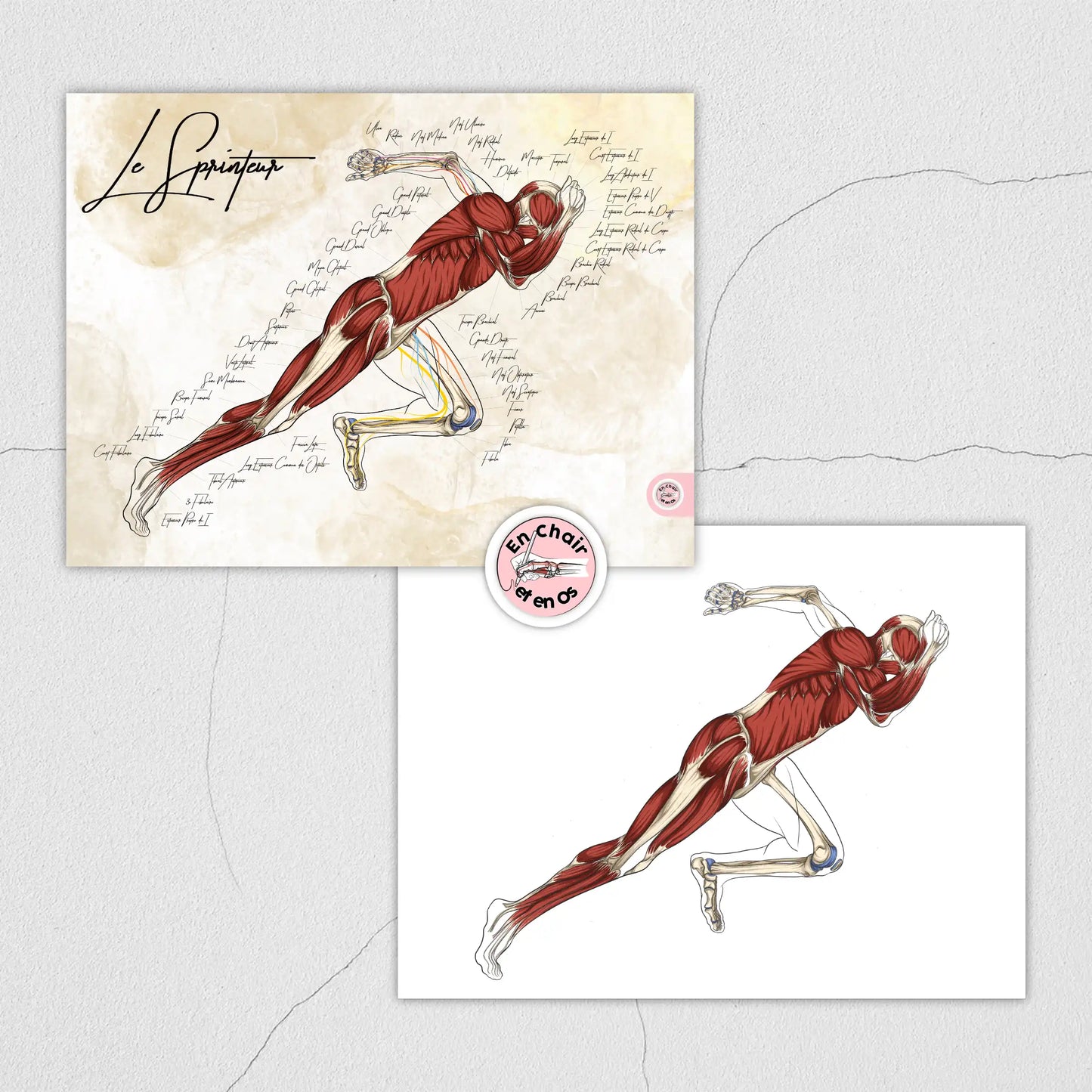
Anatomical charts can truly facilitate your daily work! They allow you to have clear and concise visual references on hand to explain various conditions or procedures to patients. Imagine using a detailed poster of the spine during a consultation to illustrate a specific problem to a patient. It would make the explanation more fluid and understandable, thereby improving the overall interaction with your patients. Anatomy posters, such as the sprinter, are perfect for this practical and educational use in your workspace.
Conclusion
Integrating anatomical charts into your practice offers numerous aesthetic and functional benefits. They embellish the workspace, create a professional, welcoming environment, and help put patients at ease. By choosing illustrations adapted to your specialty, you can personalize and optimize your space. Anatomical charts are not only medical tools; they are also decorative elements that bring added value to the office.
To discover a wide collection of anatomical charts and anatomy models adapted for all specialties, visit the En Chair et en Os website. Take advantage of the available offers and add a professional and educational touch to your workspace now!