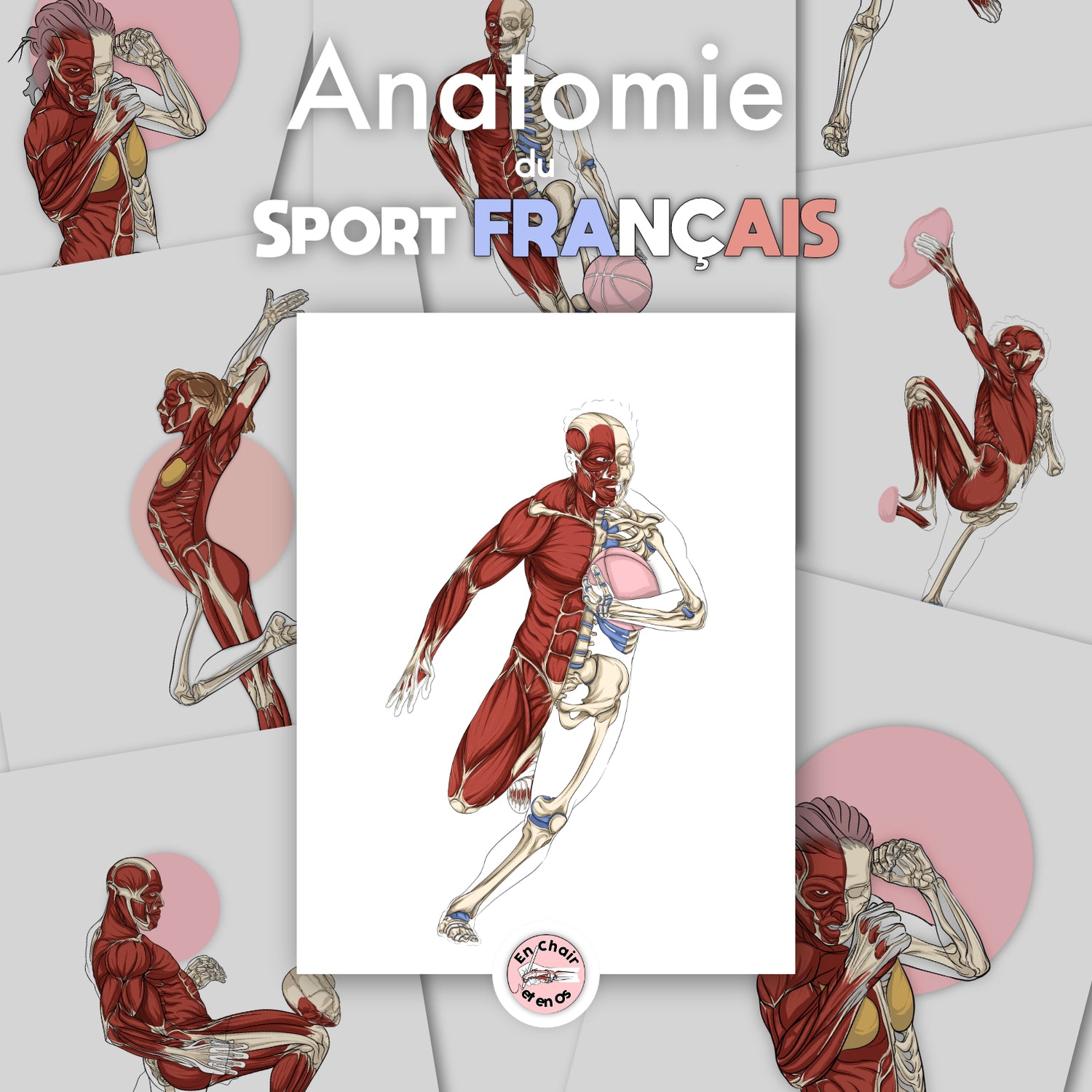
Author: Naël El Kastabi
Creating visual harmony with anatomical charts for a soothing practice
The importance of colors, materials, and quality anatomical charts
To create a soothing atmosphere, it is essential to choose soft, natural colors, such as pastel tones or earthy hues that evoke nature. These choices directly influence patients' perceptions and help reduce their anxiety. Wooden furniture, linen accessories, and anatomical posters printed on high-quality materials, such as heavy paper, add warmth to the space.
Integrating posters, such as human anatomy charts or specific models like the Anatomical Chart - Back Muscles, allows for elegant decoration while maintaining a medical touch.
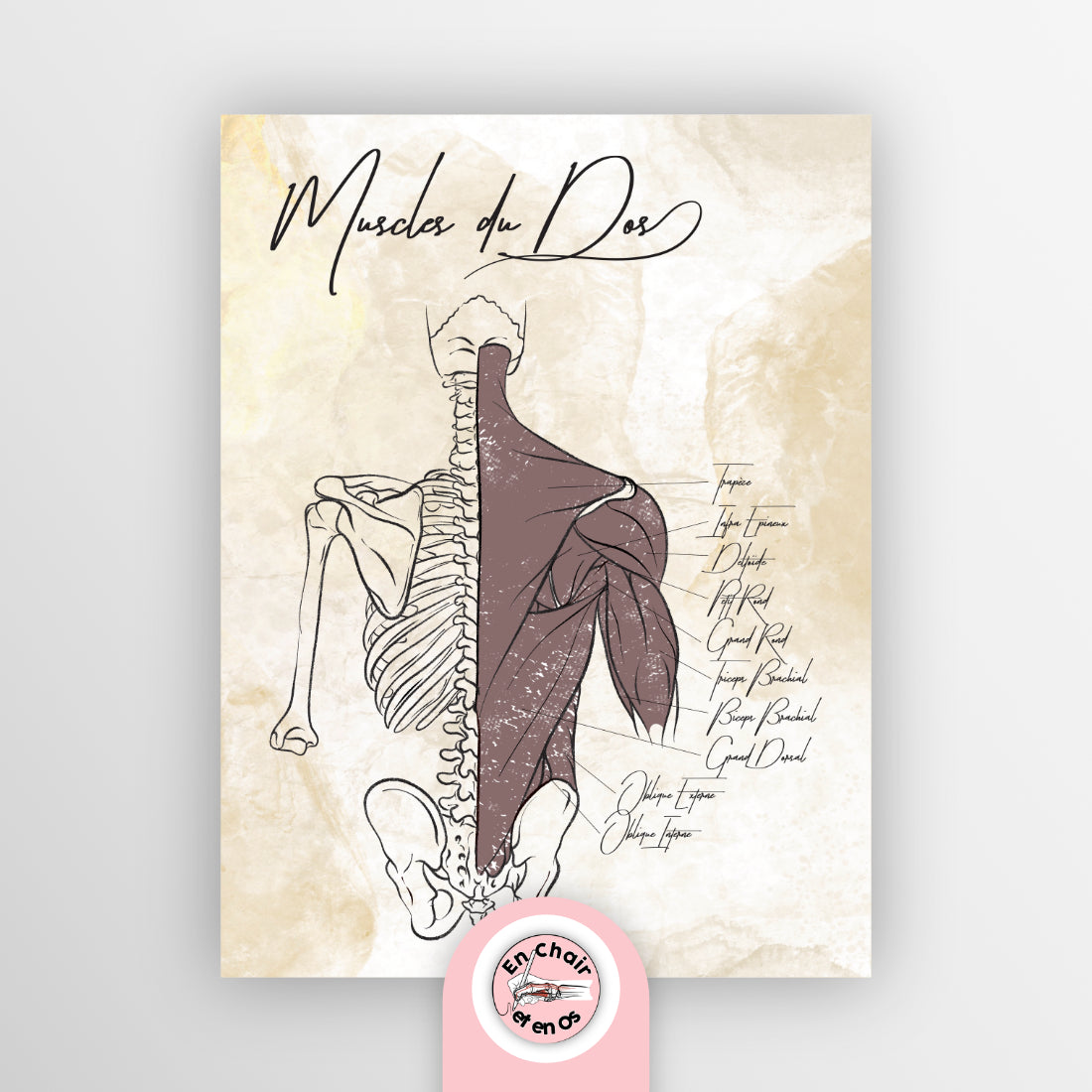
This type of material, available on our site En Chair et en Os, offers a wide range of products from anatomical posters to illustrations of the human skeleton. These items are much more than simple accessories; they reinforce the identity of the medical space.
Subtly integrating anatomical chart models
The integration of accessories must be strategically planned to complement visual harmony. Models like the Anatomical Chart - Floral Skull provide an artistic approach while maintaining the informative aspect specific to anatomy charts.
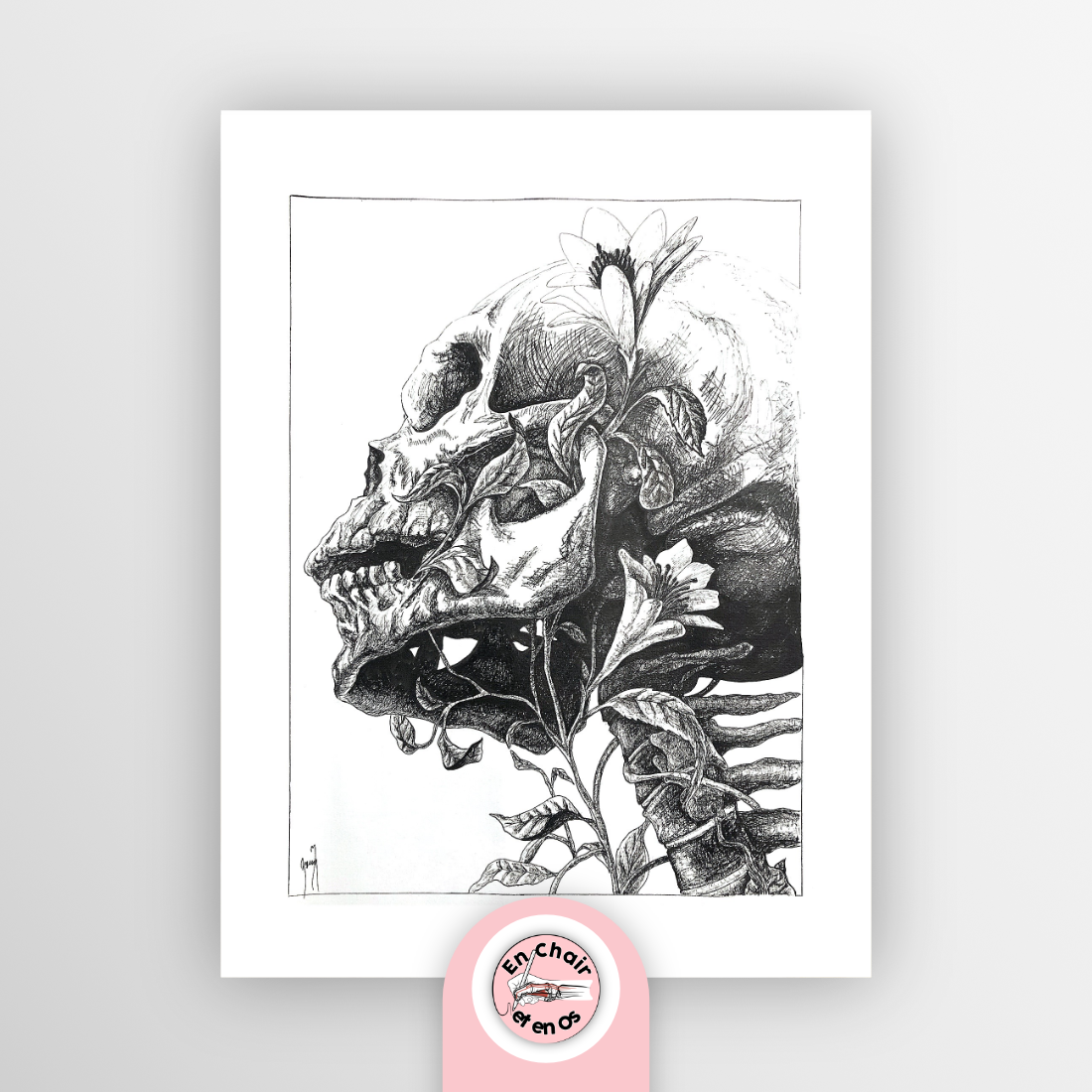
This type of anatomical accessory skillfully blends scientific details of the human skull with floral decorative elements, thus bringing a touch of poetry that softens the medical environment.
Such accessories do more than just add an aesthetic dimension; they capture the attention of patients, enriching their experience while serving as a visual aid for practitioners' explanations. The effect is twofold: making the space more welcoming and strengthening medical credibility.
Selecting anatomical charts adapted to the medical practice's specialty
Adapting anatomical posters according to the medical specialty
The choice of accessories must always be in line with the specialty practiced. For a physiotherapist, anatomical products representing human musculature, such as the Anatomical Chart - Muscle chains of the lower limb, are particularly useful. This chart model allows physiotherapists to clearly explain rehabilitation exercises or muscle pathologies to their patients.
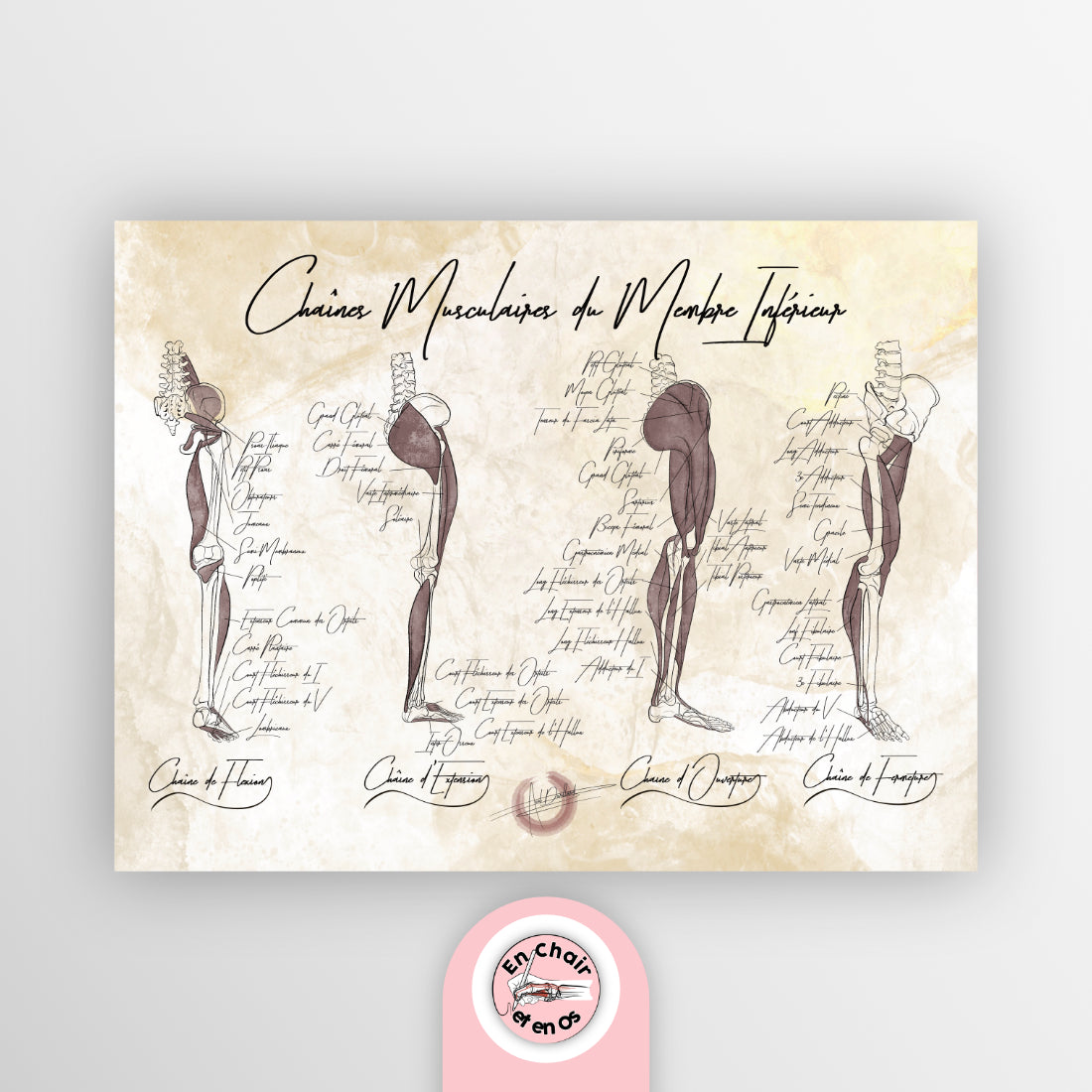
Practitioners can thus personalize the beneficiary's experience by providing detailed visual information about treatment areas, which promotes better understanding and more active involvement in the care process. This accessory then becomes a true pedagogical ally.
Choosing aesthetic and functional anatomical posters and charts
The aesthetics of the charts must go hand in hand with their functionality. Anatomical material like the Anatomical Chart - Pregnancy is ideal for a gynecology office, offering a clear visualization of female anatomy during pregnancy. They serve both as a tool for explaining the human body for practitioners and as a reassuring reference point for patients.
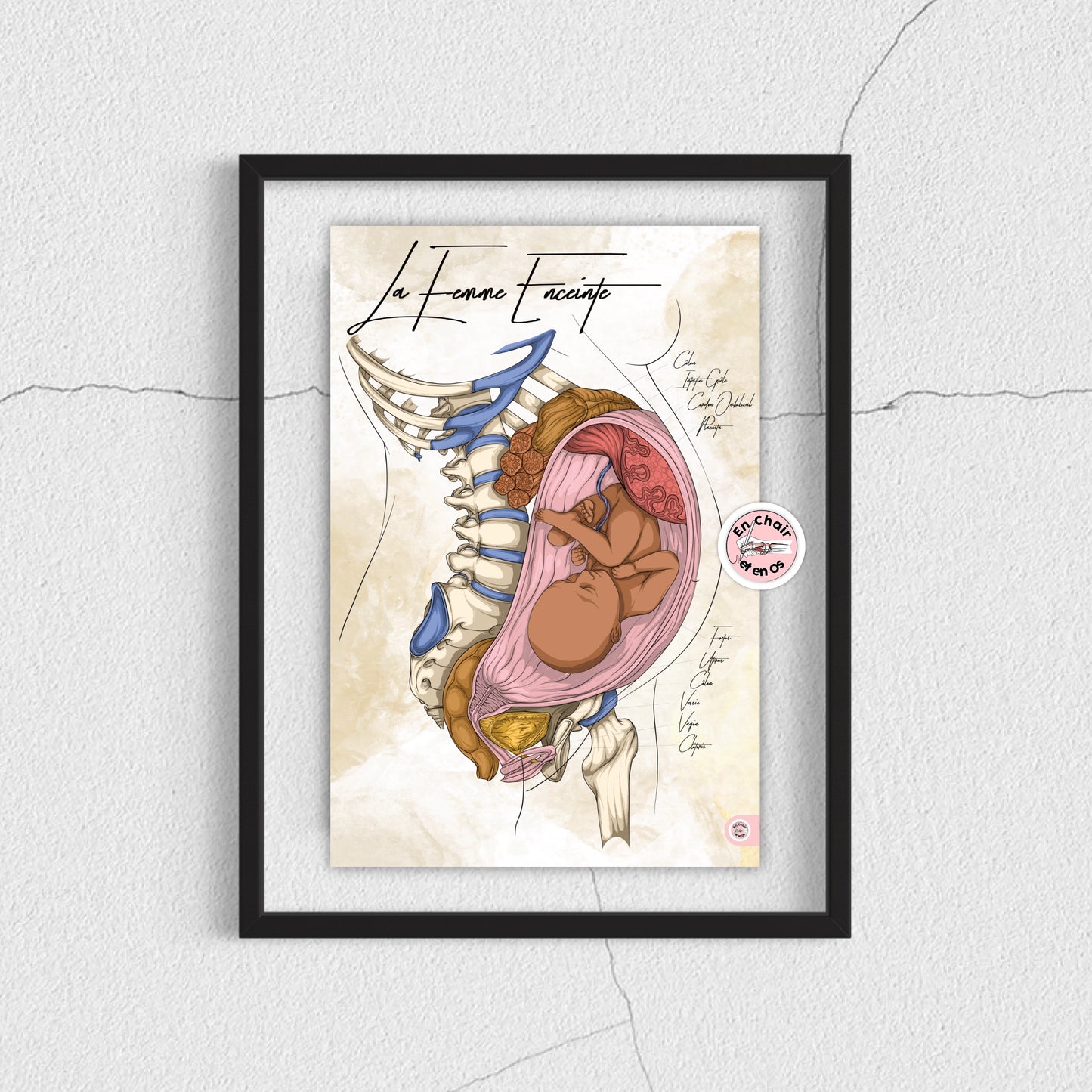
The choice of materials is also crucial: charts printed on superior quality paper, or even on fabric, guarantee durability and clarity of the displayed anatomical information. The price of this anatomical material varies according to the clarity and complexity of the models, but they represent a relevant investment to enrich the professional image of the consultation room.
The educational value of anatomical charts in the medical office
Anatomical charts: a tool for explaining conditions and treatments
Charts are not just decorative; they are also essential educational aids in the medical office. Products like the Anatomical Chart - The Nervous System allow practitioners to visually detail the areas affected by conditions or treatments. Anatomical posters provide a quick and clear overview of human anatomy, which helps to demystify medical explanations and establish a dialogue of trust.
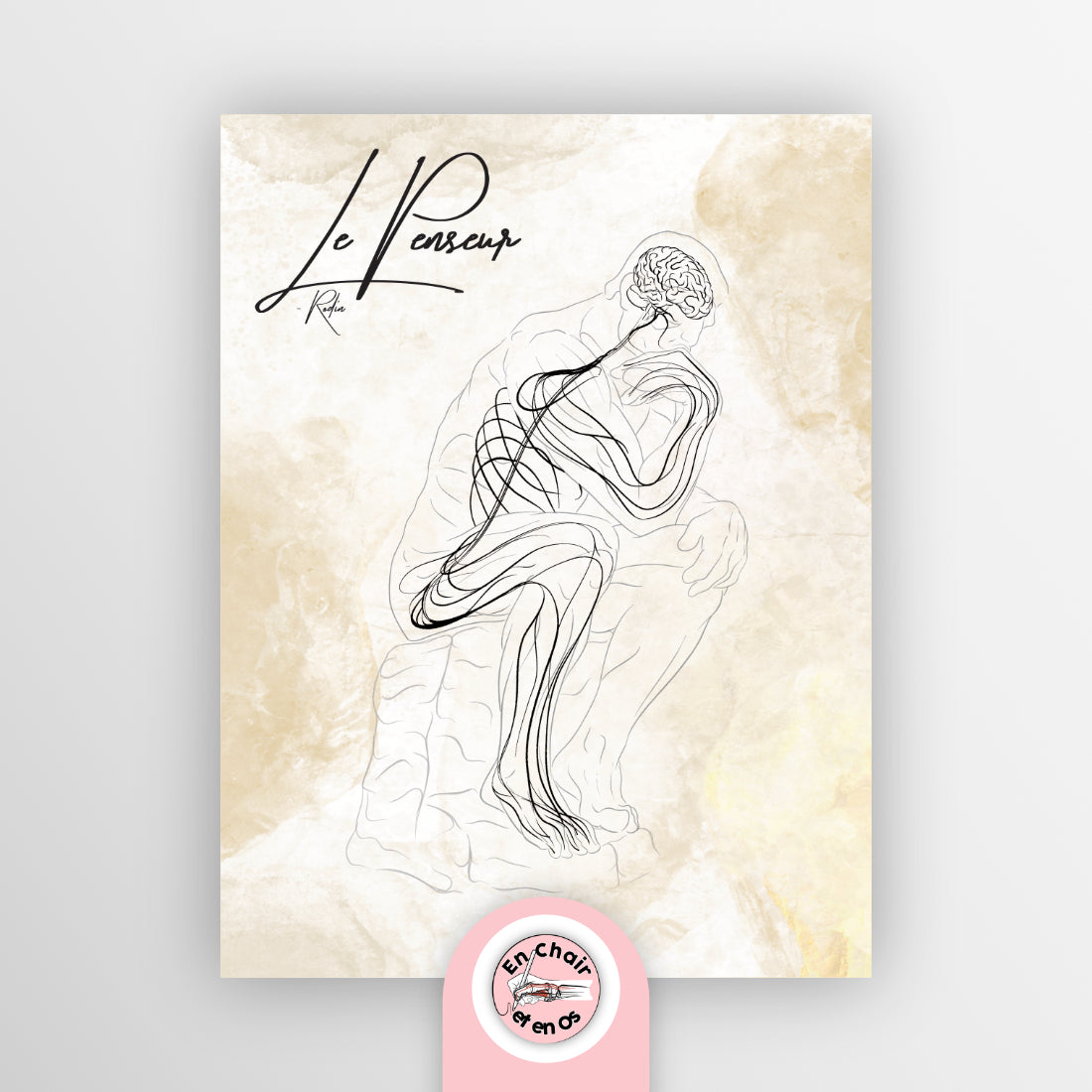
By exposing visitors to high-quality anatomical illustrations, you help them more easily understand the human body as well as upcoming care or procedures. These accessories thus become valuable tools that complement the practitioner's explanation and strengthen the patient's involvement in their own treatment journey.
A valuable support for training and learning for medical students
Medical centers that host students or young professionals in training also derive great benefit from using these charts. These products, such as the Anatomical Chart - Set of 3 Diaphragms (cranial, thoracic, and pelvic diaphragm), serve as visual pedagogical tools that complement theoretical lessons. They allow for the precise visualization and memorization of anatomical structures.

The presence of these charts in an office encourages continuous learning and helps future professionals better understand anatomy and pathology. By investing in charts, you create an environment conducive to study, care, and exchange, thereby elevating your office as a place for the transmission of medical knowledge.
Conclusion
The decor of a medical space should be thoughtfully planned, taking into account the needs of both patients and practitioners. Anatomical charts, in particular, play a key role in creating an environment that is both serene and instructive. They allow for the harmonious integration of aesthetics and pedagogy, transforming every consultation into a more human and enriching experience. By choosing chart models suited to your specialty and integrating them strategically, you provide your medical space with a decor that is inspiring, informative, and truly professional.