Author: Naël El Kastani
The decoration of a medical office plays an essential role in the well-being of both patients and caregivers. A well-thought-out medical space fosters a warm welcome, establishes a relationship of trust, and improves the patient experience. But how do you choose the right elements to decorate a medical office and create a soothing atmosphere while ensuring a functional layout?
By integrating aesthetic and practical aspects, such as high-quality anatomical charts, appropriate colors, well-designed furniture, and thoughtful wall decor, it is possible to optimize the layout of a practice.
Creating an atmosphere conducive to patient well-being
A medical office must offer a reassuring environment for its patients. Every component, from floor to ceiling, contributes to establishing an ambiance conducive to relaxation and professionalism.
The importance of color and lighting
The impact of colors and light on the patient experience is paramount. Soft tones like blue and white help generate a soothing atmosphere. Lighting should be carefully considered: bright light is necessary in the consultation room, while dim lighting is recommended in the office waiting room to provide a sense of calm.
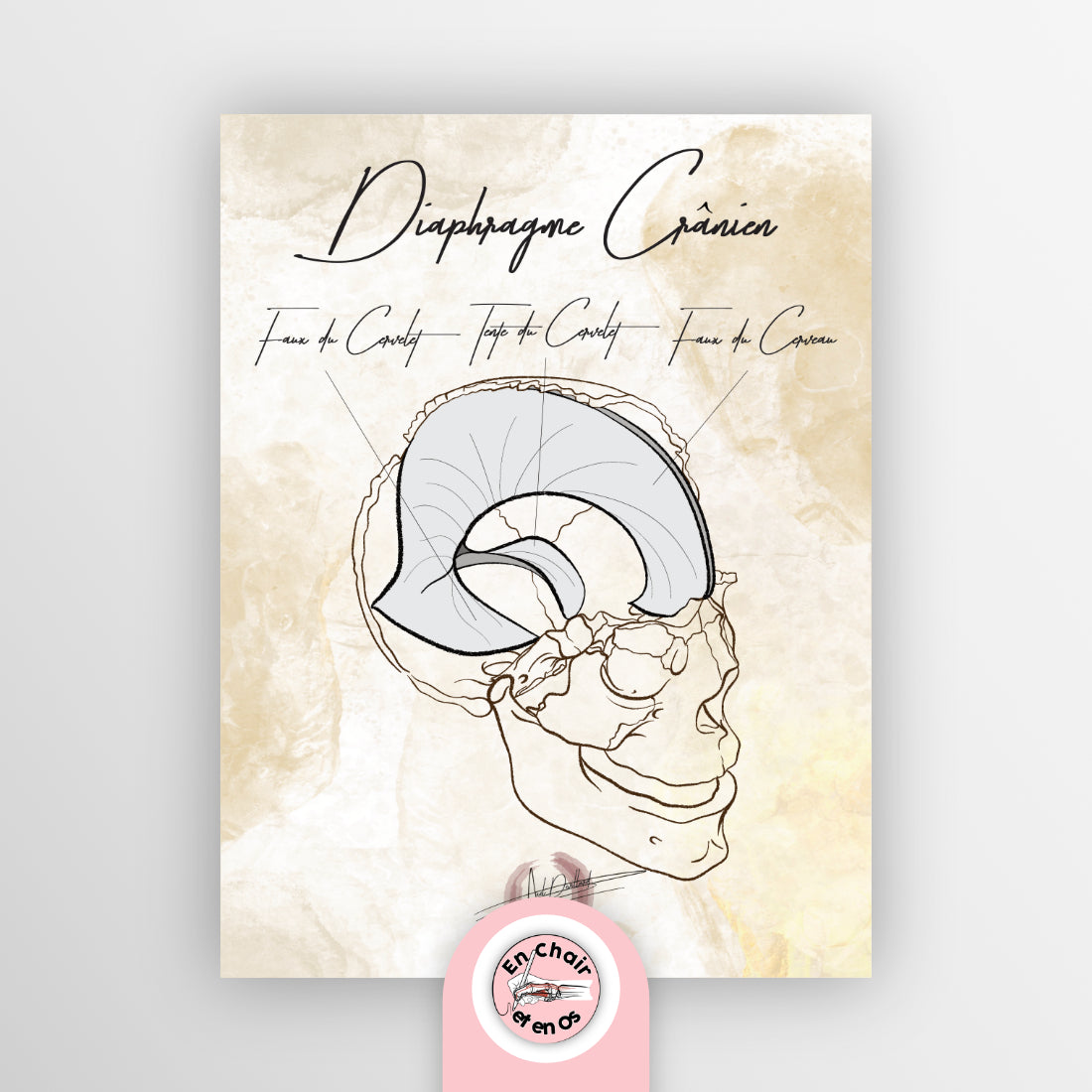
For example, the Anatomical Chart: Cranial Diaphragm highlights a key structure connecting the muscles and fascia of the skull. The diaphragm plays an essential role in balancing cranial tension, the circulation of cerebrospinal fluid, and stress management. Displayed in a medical office, this chart illustrates the importance of physical and mental well-being. As a piece of wall decor, it promotes educational dialogue with patients by explaining the impact of stress on health and how the cranial diaphragm influences the body as a whole.
Inspiring and informative wall decor
Anatomical posters and charts must be selected with care to generate an atmosphere conducive to the work of professionals and the soothing of patients.
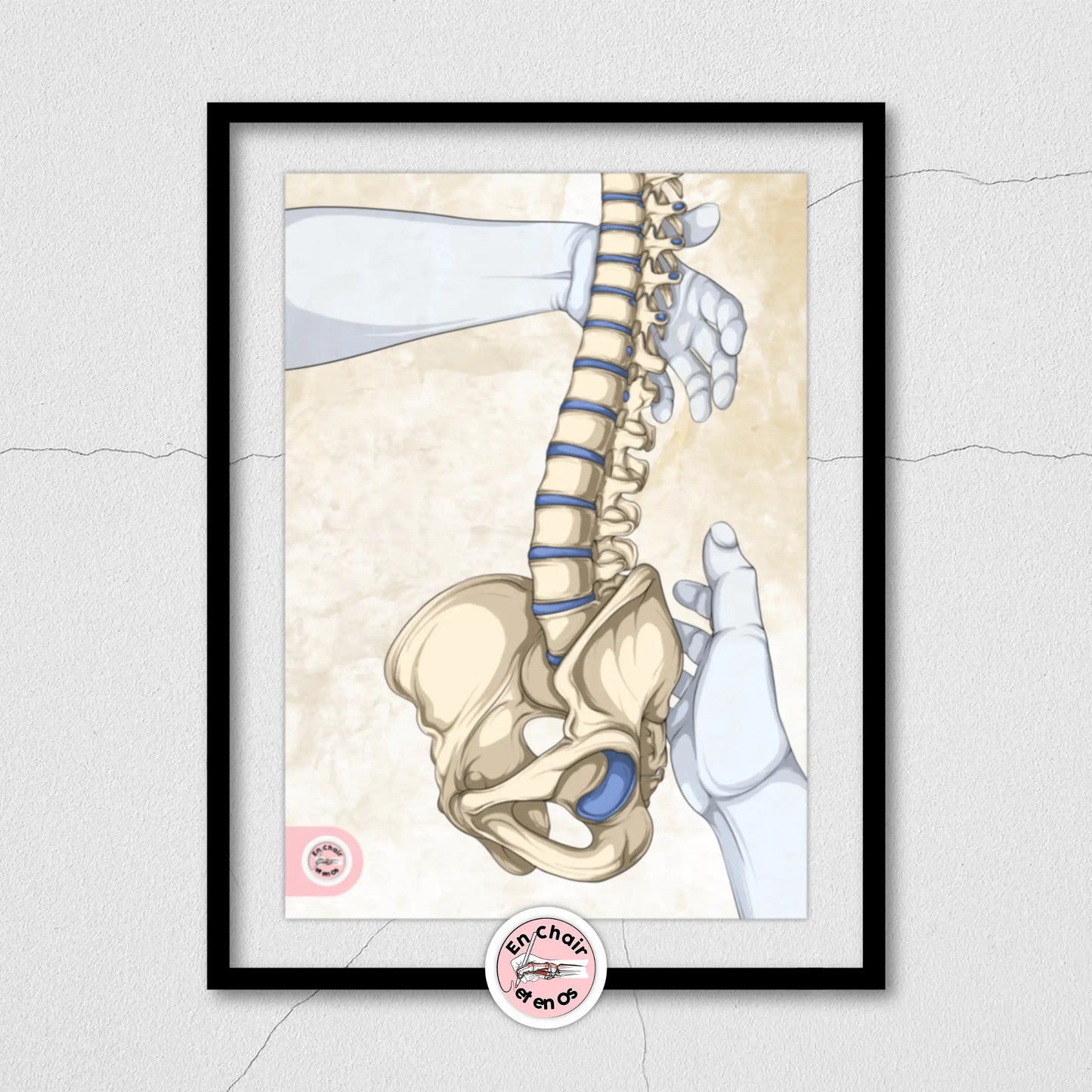
Installed in a medical or paramedical office, the Anatomical Chart: Pelvic Girdle is ideal for a general practitioner, physiotherapist, or osteopath. It helps illustrate issues related to lumbar and postural pain. This decorative product adds an educational touch and fits perfectly into the layout of an office.
Optimizing the organization and comfort of the office
An office must combine functionality and aesthetics. A well-organized space facilitates the work of caregivers and improves the reception of patients.
Furniture adapted to the needs of health professionals
The choice of furniture is essential in the layout of a medical office. The desk, examination table, storage, and chairs must be chosen according to the practitioner's specialty and the well-being of the patients.
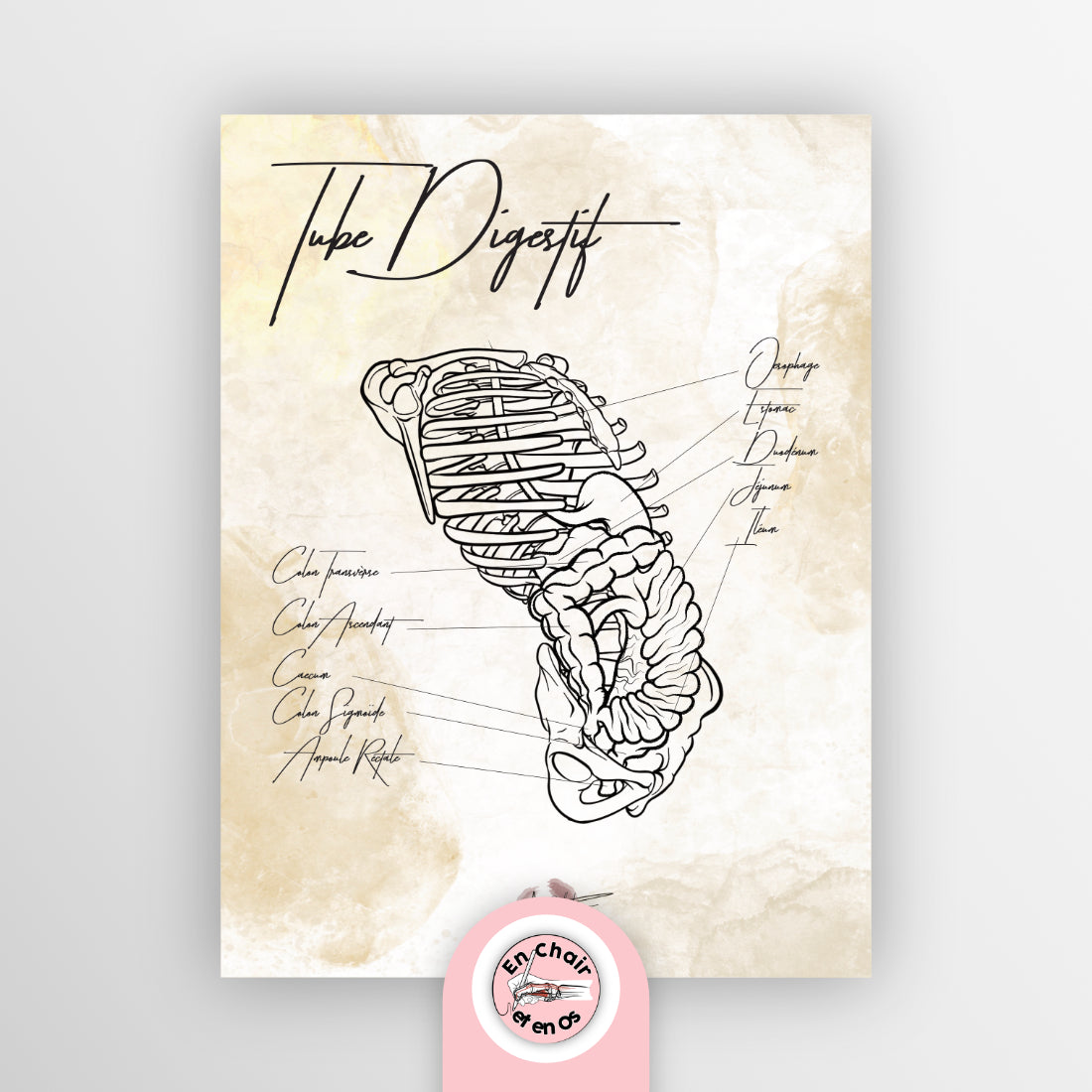
Displayed in a gastroenterology or general practice office, the Anatomical Chart: Digestive Tract Organs allows doctors to explain digestive disorders to their patients. Its integration into the wall decor adds an aesthetic and informative touch.
The importance of storage and organization
A well-organized space fosters an impression of professionalism and optimizes the quality of care. Using wall shelves, functional desks, and storage units makes it possible to furnish an office in an optimal way.
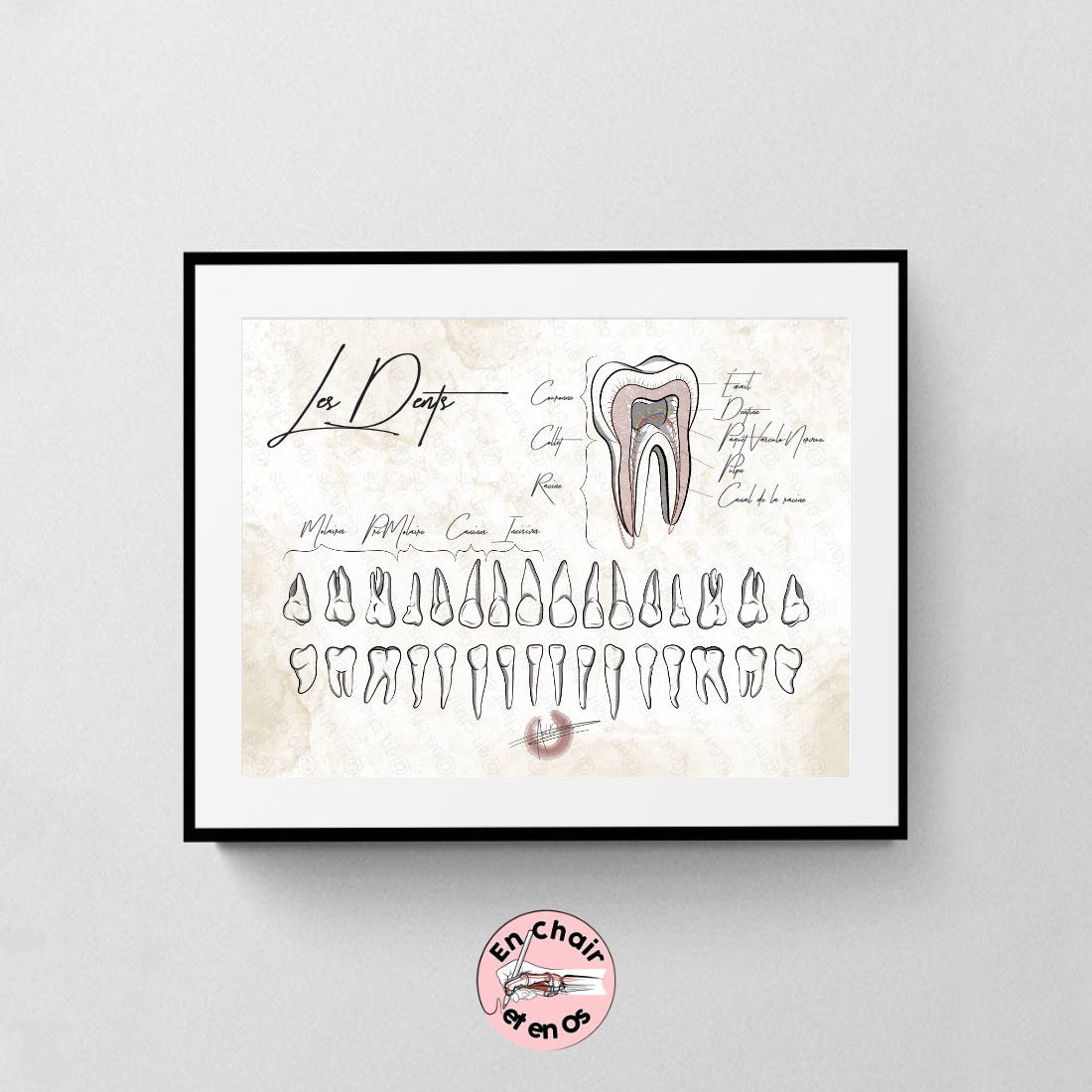
Ideal for a dental office, the Anatomical Chart: The Teeth is an excellent educational tool for explaining dental treatments to patients. By integrating it into the medical office decor, it contributes to an enriching patient experience.
Personalizing the space to strengthen the patient-practitioner relationship
A medical office should reflect the personality of the caregiver while reassuring the patient. Decoration helps add a warm touch and forge a unique space.
Integrating plant and artistic elements
Plants and artistic paintings contribute to a modern layout and add a natural touch to the interior of the medical office.
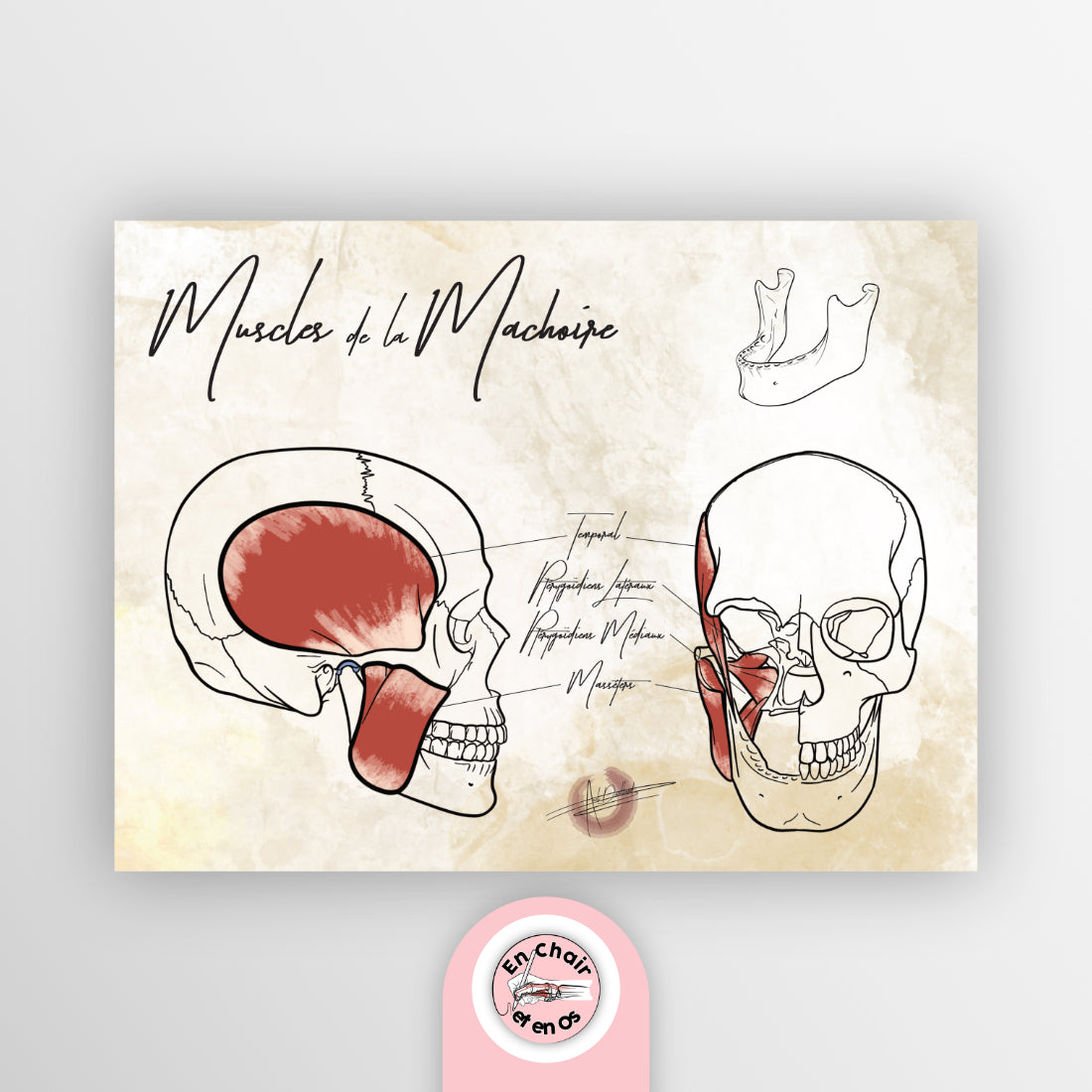
In an osteopathy or physiotherapy office, an Anatomical Chart: Jaw Muscles is a relevant decorative product. It highlights a functional and educational aspect while fitting harmoniously into the decor of the space.
A space adapted to different types of patients
A medical office must be specific to adults, children, and seniors. Ergonomic furniture, adapted decoration, and educational tools help create a welcoming atmosphere.
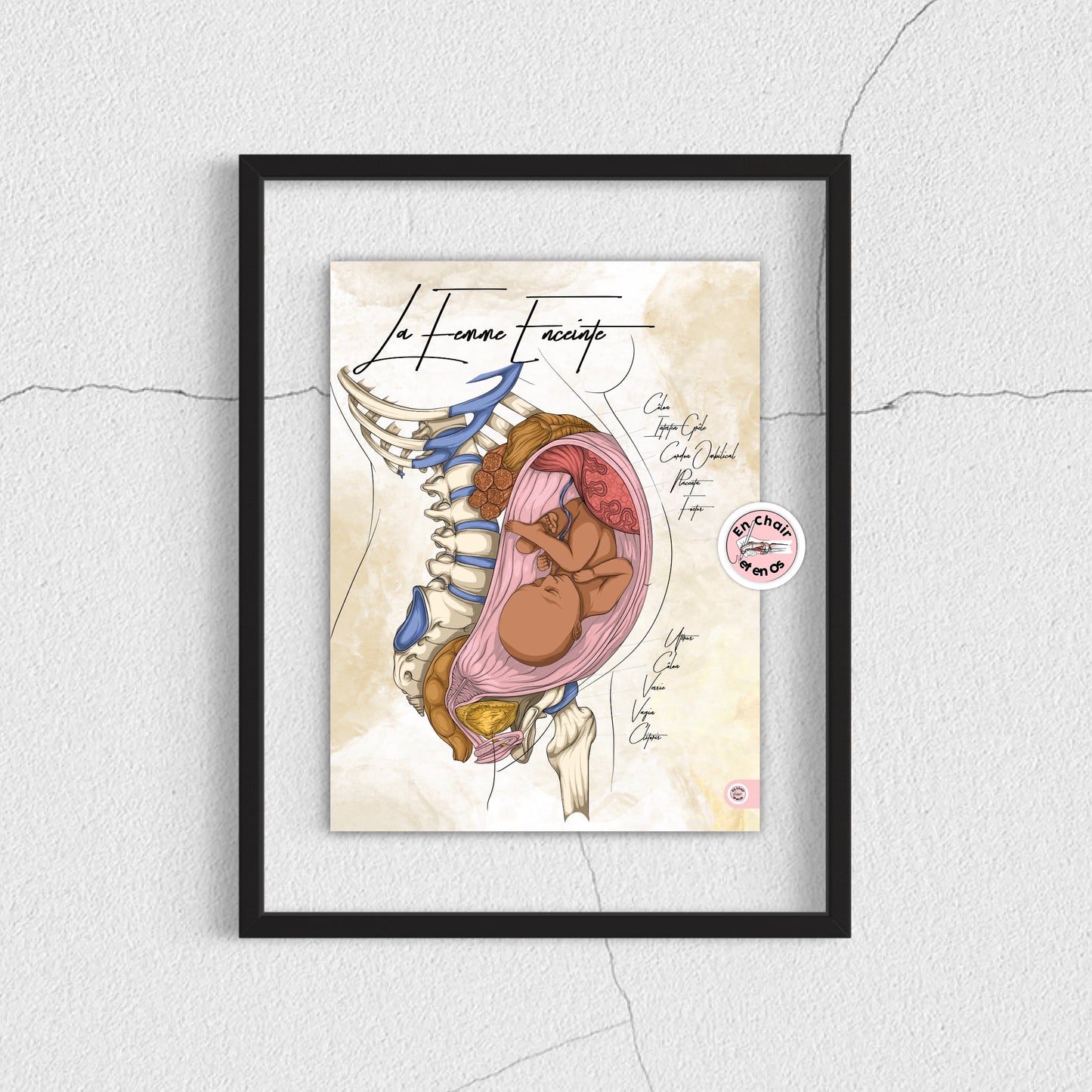
Perfect for a midwife or gynecological practice, the Anatomical Chart: Pregnancy facilitates communication with patients and highlights the work of the health professional. It is a decorative product that integrates an informative and aesthetic dimension.
Conclusion
Decorating a medical office is a strategic project that improves the patient experience and the comfort of health professionals. By integrating anatomical charts available on our site En Chair et En Os, by choosing the right colors, by optimizing the furniture, and by working on the interior layout, it is possible to create a harmonious and functional space. A well-thought-out office inspires confidence, promotes a soothing atmosphere, and contributes to the quality of care.