Author: Naël El Kastani
Improving communication with patients
Facilitating medical explanations
Anatomical charts, such as anatomical posters, are visual tools that can greatly facilitate communication with patients. When a patient is faced with complex medical terms or detailed explanations about their health condition, a poster can make this information more accessible. For example, the Anatomical Chart: Human Musculature offers a detailed representation of the muscles of the human body. Using this type of poster can help explain muscle conditions or injuries in a clear and visual way, which can strengthen patient understanding and satisfaction. By adding this poster to your practice, you create an environment where the patient feels more informed and confident.

An anatomical poster is more than just a communication tool; it is a way to make complex concepts of human anatomy accessible to everyone. When a patient can visualize muscles, bones, or organs on a chart, it becomes easier for them to understand their own human body. Posters are therefore essential devices for any healthcare professional looking to improve patient education and the clarity of medical explanations.
Educating patients about their own human body
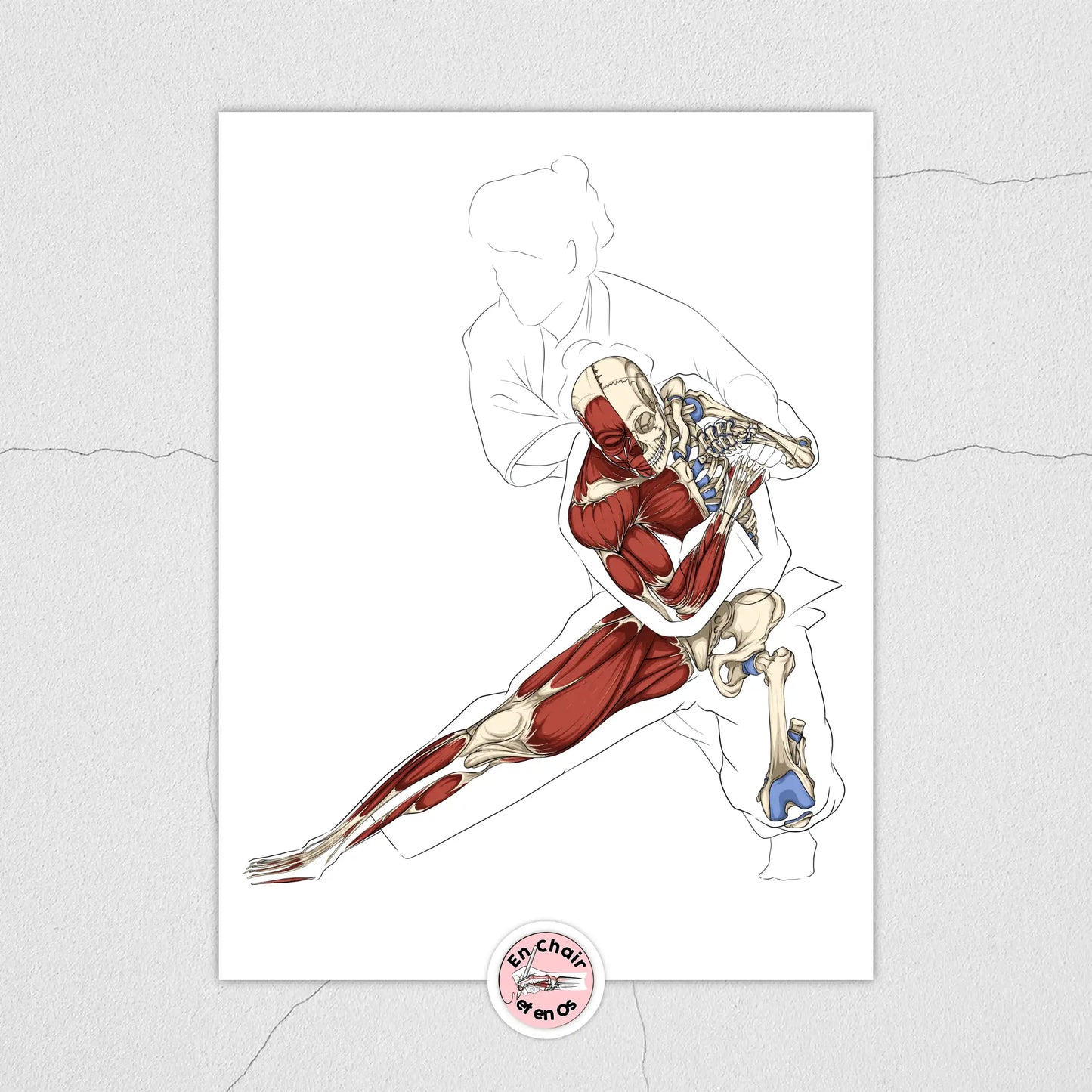
Posters are not only useful for explanations; they also play a crucial pedagogical role. An Educational Chart like the Anatomical Chart: Judo can help patients better understand the implications of their physical condition in the context of their sports or daily activities. This chart shows in detail the muscle groups used when practicing judo. When a patient who practices this sport comes in for an injury, this poster makes it possible to explain the muscles and joints involved precisely. This visual learning method can not only increase treatment adherence but also encourage patients to ask relevant questions about their health. By integrating this chart into your practice, you provide a valuable resource for patient education.
Patient education is an essential part of medical practice. Using human anatomy posters as visual aids allows patients to better understand their health condition and the proposed treatments. A well-placed anatomy chart can transform a plain wall into a powerful pedagogical accessory, thus facilitating learning and patient engagement in their own care. Furthermore, by having posters in your practice, you show your patients that you take their education seriously, which can strengthen patient trust and satisfaction in your practice.
Optimizing your practice environment
Creating a welcoming and professional space
Integrating anatomy posters into your practice can transform the visual appearance of your workspace, making the environment more welcoming and professional. For example, the Anatomical Chart: Human Skeleton can serve as a centerpiece in a consultation room, creating a serious and educational atmosphere. These charts are not just decorative; they also show patients that your practice is a place of knowledge and high-quality care. A quality wall chart of the human skeleton can also serve as a visual focal point, drawing the attention of patients and visitors to the details of their own body's anatomy, and highlighting the importance of continuous education.

By opting for high-quality posters, you transform your practice into a place not only of care but also of learning and discovery. Patients can be fascinated by the details of the skeleton on the poster and may even find comfort in knowing they are in the hands of well-informed and educated professionals. The charts create a professional and knowledgeable atmosphere, reinforcing the image of your practice as a top-tier space for care.
Reducing patient anxiety in your medical office
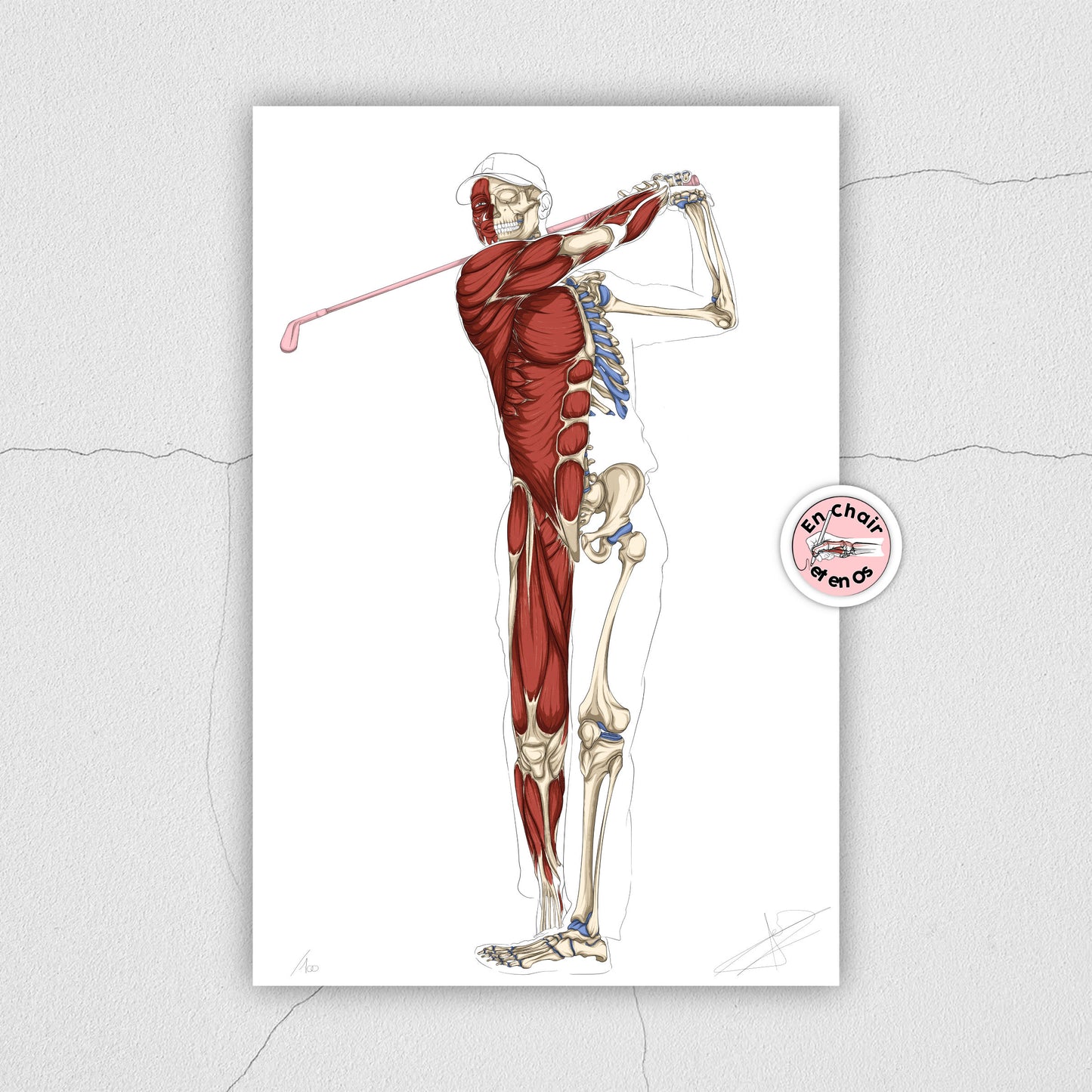
An environment well-decorated with posters can also help reduce patient anxiety. Patients may feel more at ease in a space that exudes calm and serenity. The Anatomical Chart: A Golfer, for example, can inspire discussions about hobbies and physical activities, thus offering a welcome distraction to anxious patients. By creating a visually soothing and educational space, you can improve the overall patient experience in your office. Human anatomy posters, such as those of the golfer's anatomy, help establish a more personal connection with patients, reducing their stress and improving their perception of the quality of care.
Posters are not only for education; they also contribute to the general atmosphere of your practice. Carefully chosen and arranged anatomy charts can transform an austere clinical space into a welcoming and soothing environment. Human anatomy posters add an aesthetic touch while offering valuable information, which can help patients feel safer and less anxious during their visits. By investing in anatomy charts, you improve not only patient education but also their overall experience in your practice.
Supporting continuous education and anatomical knowledge training
A pedagogical tool for healthcare professionals
Posters are also valuable pedagogical resources for healthcare professionals. They can serve as support for continuous education and training within the practice. For example, the Anatomical Chart: Back Muscles can be used during training sessions to illustrate complex concepts in muscular anatomy. By using these charts as a visual aid, you can improve the quality of learning and ensure better understanding of anatomical study. This chart can be particularly useful for explaining back pathologies, rehabilitation strategies, and muscle-strengthening techniques, thereby reinforcing your team's clinical skills.
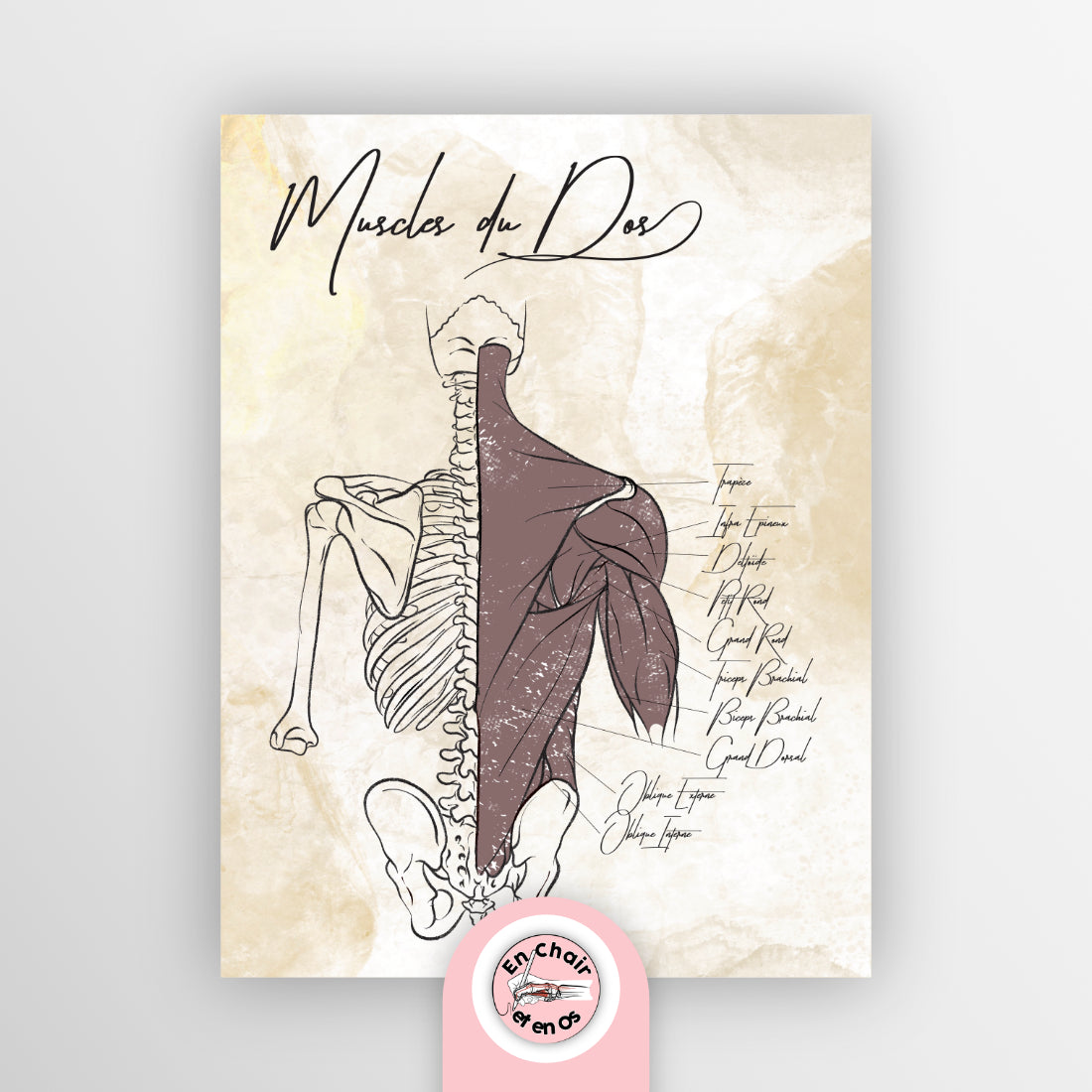
Continuous training is essential in the healthcare field, and charts play a crucial role by providing clear and detailed visual references. Anatomical posters can be used for presentations, case discussions, and in-depth studies, thus facilitating learning and knowledge retention. By integrating charts into your practice, you create an environment conducive to continuous education and professional development.
Facilitating the training of new healthcare professionals
For new members of your team, anatomical charts can be valuable visual aids during their training. For example, the Anatomical Chart: Skull Bones can help teach cranial anatomy in a clear and detailed manner. By using these tools, you can make the training process more interactive and effective, which can accelerate the integration of new employees and improve their clinical competence. Charts allow theoretical knowledge to be anchored in concrete visual representations, thus facilitating the learning and practical application of detailed anatomy.
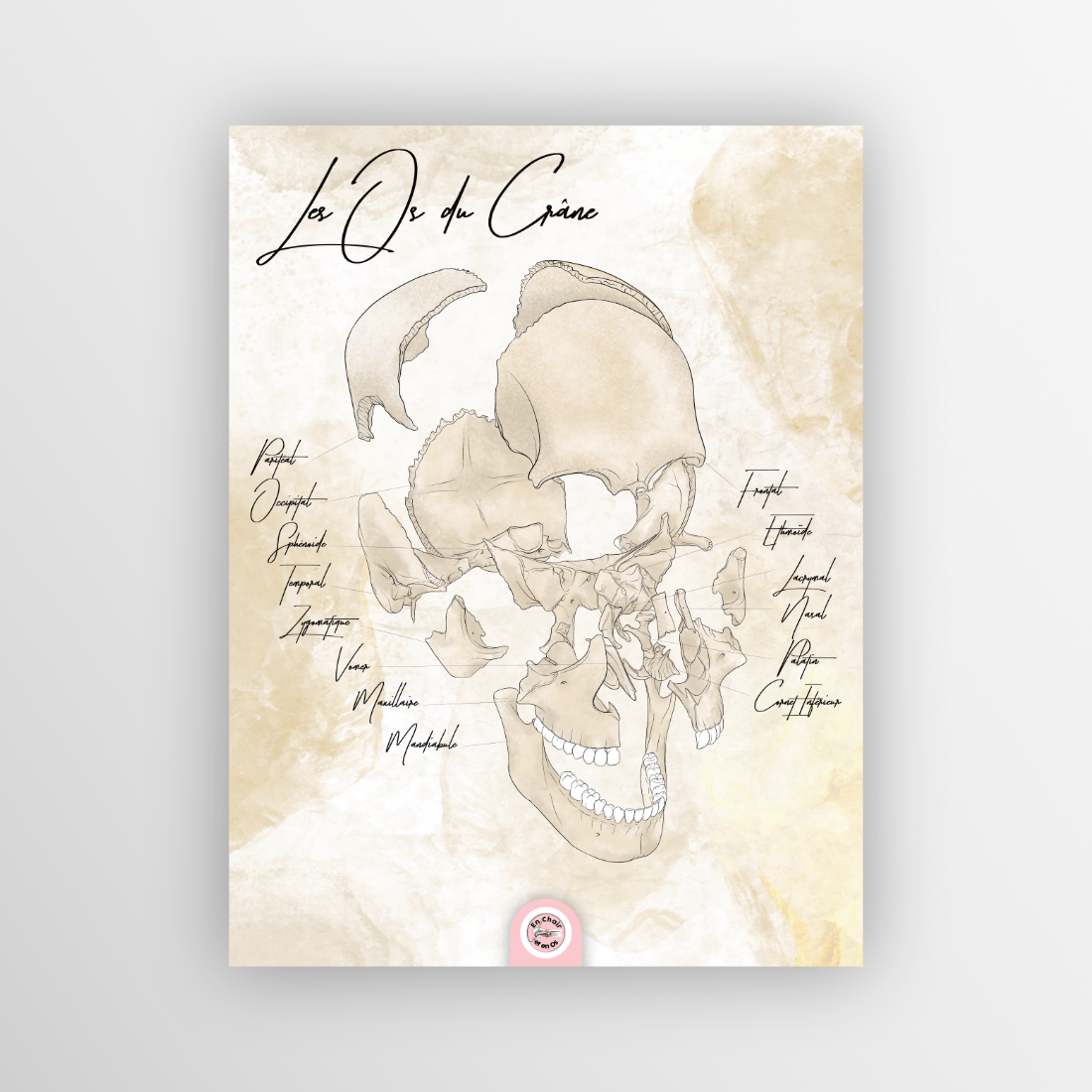
Training new employees is a critical step to ensure consistent and high-quality medical practice. Charts provide clear and precise illustrations of body structures, which can help new team members quickly and effectively understand the anatomical concepts necessary for their work. By integrating charts into your training program, you offer your new employees a valuable resource to improve their understanding and clinical performance.