Author: Naël El Kastani
Improving patient communication and facilitating medical explanations
Facilitating patient understanding
Anatomical posters are essential visual tools for any medical practice. They help make complex concepts of human anatomy more accessible. When a patient is confronted with technical terms or detailed explanations, an anatomical chart can be an ideal aid for better understanding.

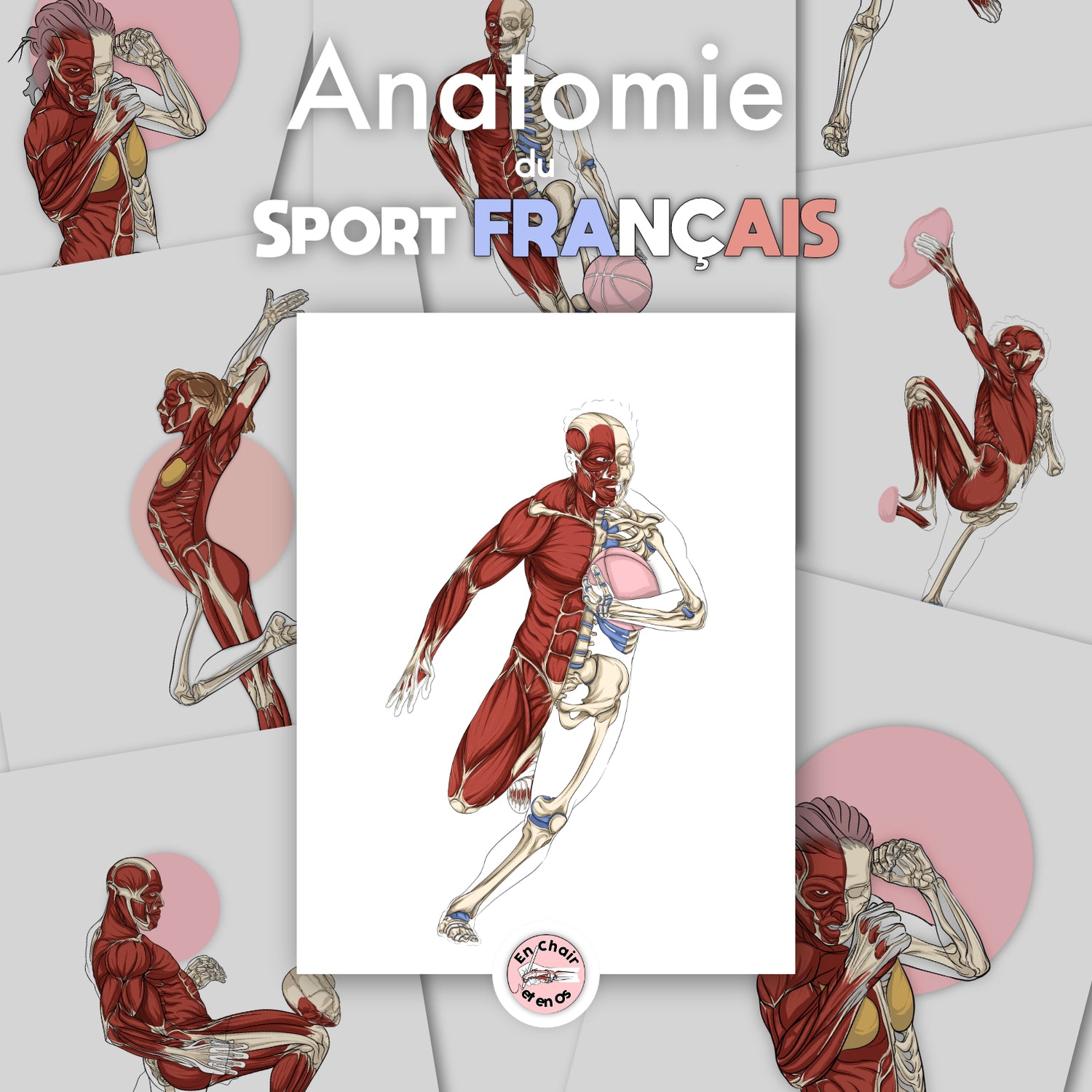
For example, the Anatomical Chart: Human Musculature is a detailed representation of the muscles of the human body. This anatomy poster facilitates the explanation of muscle injuries and conditions related to rehabilitation. A health practitioner can thus use this anatomical model to precisely illustrate the parts of the human skeleton and muscular system involved. By adding a laminated anatomical chart to your medical practice, you offer those receiving care a clear and accessible visual aid, thereby strengthening their information and confidence in the diagnosis and treatment proposed.
Educating patients about their own human body
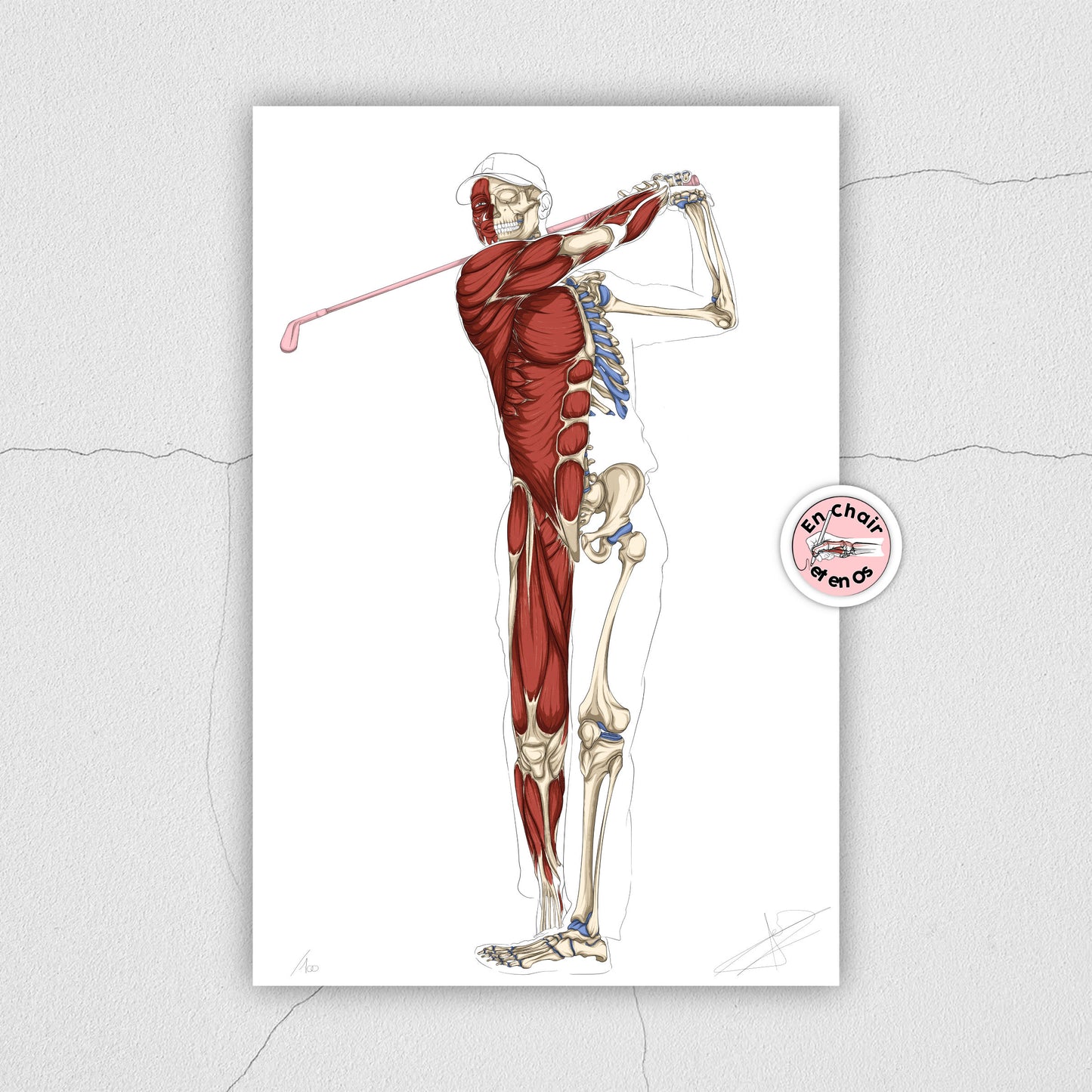
Anatomical posters are not limited to communication; they also play an essential role in patient education. An anatomy poster such as the Anatomical Chart: The Golfer allows for a better understanding of the impact of physical activities on the structure of the human body. This anatomical chart describes in detail the muscle groups engaged during the practice of golf, and can therefore be a useful support for explaining a specific injury related to this sport.
Similarly, an Anatomical Chart - Human Skeleton is ideal for illustrating bones and joints, thus facilitating patients' understanding of joint pathologies. The use of an Anatomical Chart - Foot can also be useful for explaining problems related to posture or foot pain. With these anatomical posters, you provide detailed and accessible information that allows those receiving care to be better informed about their muscular system, their spine, or even the anatomy of their foot.
Optimizing your medical practice environment
Creating a welcoming and structured space
Integrating a laminated anatomical chart into your practice is not limited to its educational role: it also contributes to creating a structured and welcoming environment for patients. An Anatomical Chart - Human Skeleton, placed strategically in the consultation room or waiting room, establishes a serious and pedagogical atmosphere, showing visitors that your space is a place dedicated to health and the knowledge of anatomy.

Anatomical posters are available in different formats, allowing you to adapt the decor and pedagogy to your specific needs. They are not only aesthetic but also bring added value to your practice by facilitating the explanation of diagnoses and improving the individual's understanding of the human body during treatment.
By displaying high-quality charts, you build a climate of trust, as a well-organized and informative healthcare environment reinforces the practitioner's credibility. Whether for a general practitioner, physical therapist, osteopath, podiatrist, or orthopedist, these tools make it possible to communicate better with patients and foster a clear and precise pedagogical exchange.
Reducing patient anxiety
Waiting in a healthcare facility can be a source of anxiety for many patients. A well-chosen chart can help make this space more reassuring. An anatomical poster detailing the anatomy of the human body can capture the attention of the person receiving care and take their mind off the stress associated with the consultation.
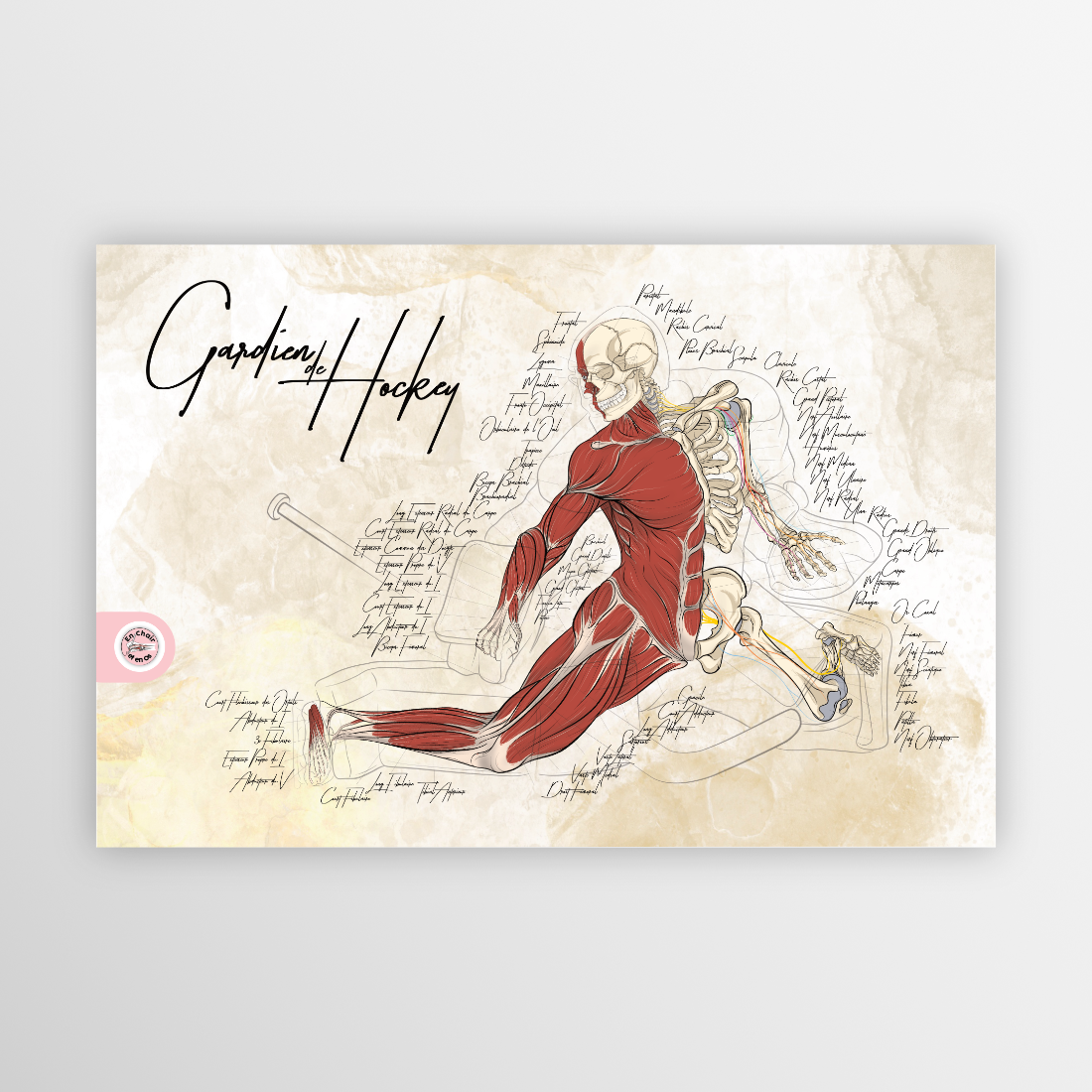
Some posters illustrating sports scenes, such as the Anatomical Chart - Hockey Goalie, can also pique the interest of sports-related medical cases, fostering a discussion about their lifestyle, physical performance, and the risks associated with their discipline. By offering an informative and soothing environment, the posters help to alleviate tension and create a more pleasant experience.
Supporting continuous education and knowledge development
A teaching tool for health professionals
The charts are not only intended for those receiving care: they also constitute an essential teaching tool for health practitioners. Indeed, these materials are widely used in health training, whether in general medicine, physical therapy, podiatry, osteopathy, or surgery.
An Anatomical Chart - Nervous System can, for example, be used during internal training sessions or for health conferences. Thanks to these detailed visual aids, health professionals can better explain and illustrate the different structures of the human body, thus promoting faster understanding and effective assimilation of complicated concepts.
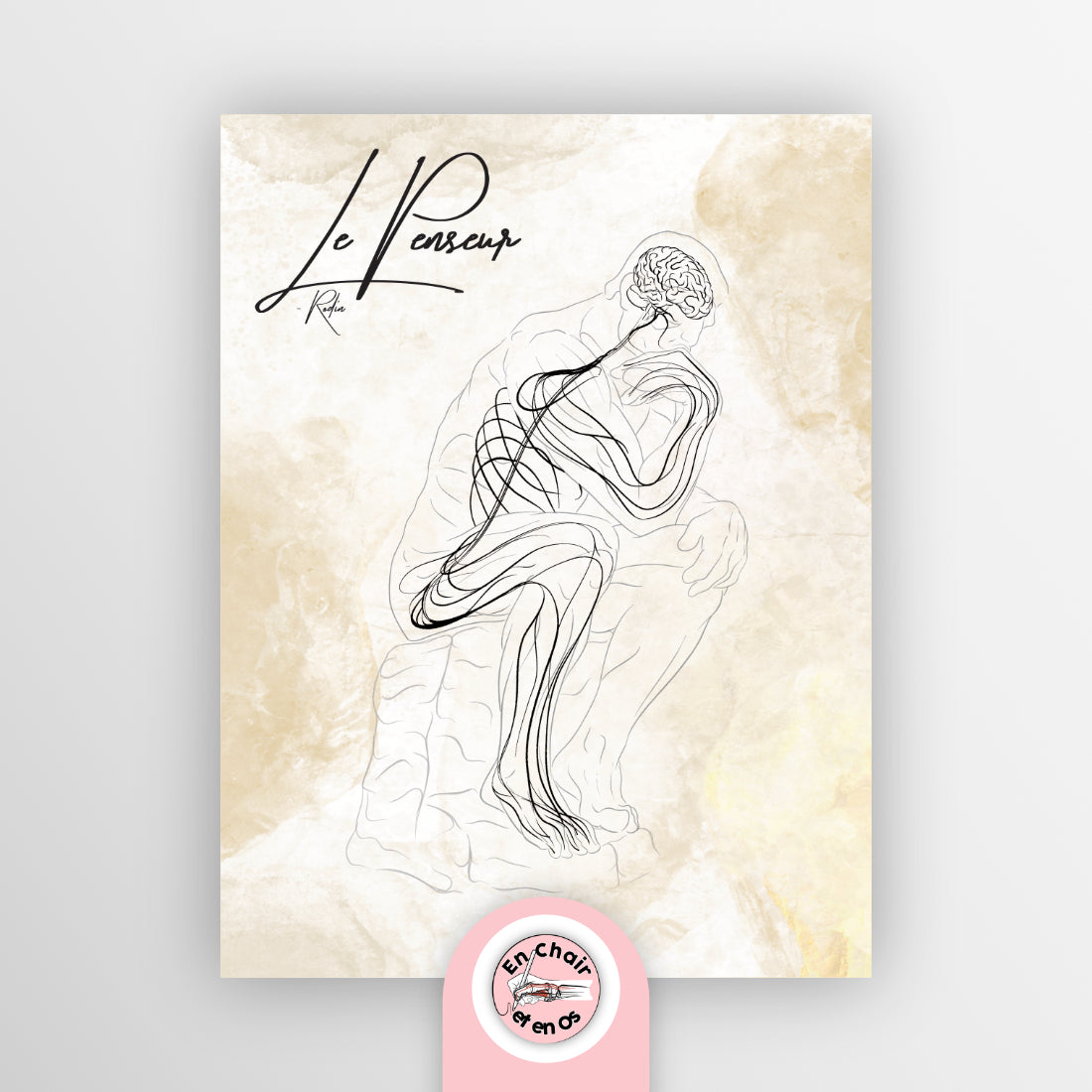
These anatomical models can also be used to educate patients by showing them visually the structures concerned by their pathology or their medical treatment. Learning through images is often more impactful than simple verbal explanations, thus reinforcing the effectiveness of communication.
Facilitating the training of new professionals
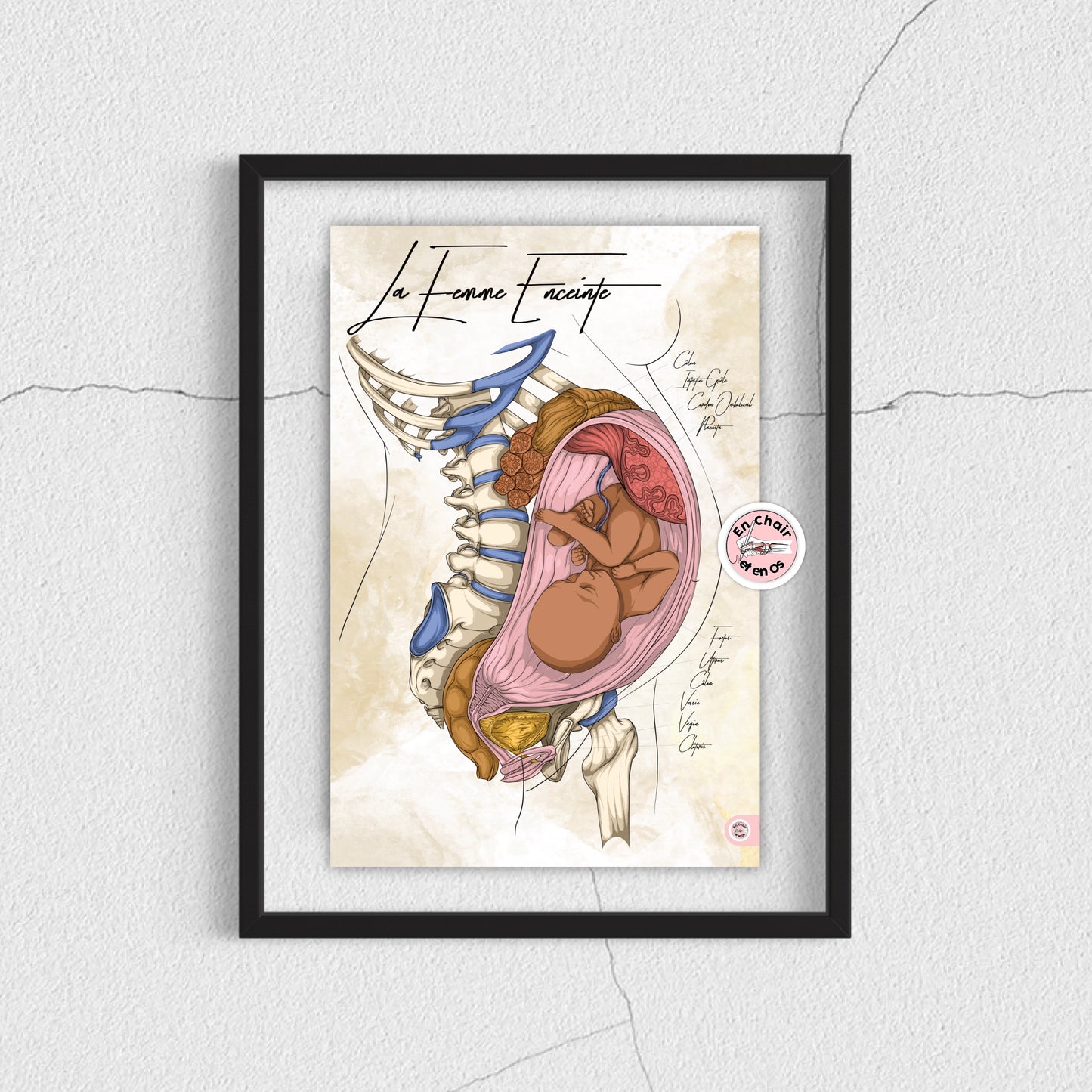
The use of a laminated anatomical chart is also a major asset for young practitioners joining a practice. For example, an Anatomical Chart - Pregnancy is an excellent aid for midwives, gynecologists, and medical students who must familiarize themselves with female anatomy and the details of fetal development.
In the fields of physical therapy and rehabilitation, an anatomical chart of human musculature makes it possible to teach the main muscle groups, how they work, as well as adapted massage and rehabilitation techniques. Human body posters therefore play a key role in continuous education, whether for experienced practitioners or new health professionals.
Conclusion
Opting for quality charts represents an essential strategic investment for any health space wishing to improve communication with patients and optimize their consultation experience. These posters are not only learning aids but also essential training tools for health practitioners.
Thanks to a detailed chart, exchanges with patients become clearer and more effective, thus promoting a better understanding of pathologies and treatments. Furthermore, a medical environment well-equipped with posters helps create a reassuring and educational setting. Available in several formats on our site En Chair et En Os, these anatomical posters offer and guarantee increased protection and durability.