Written by: Naël El Kastani
Improving patient communication
Visual explanation of anatomy
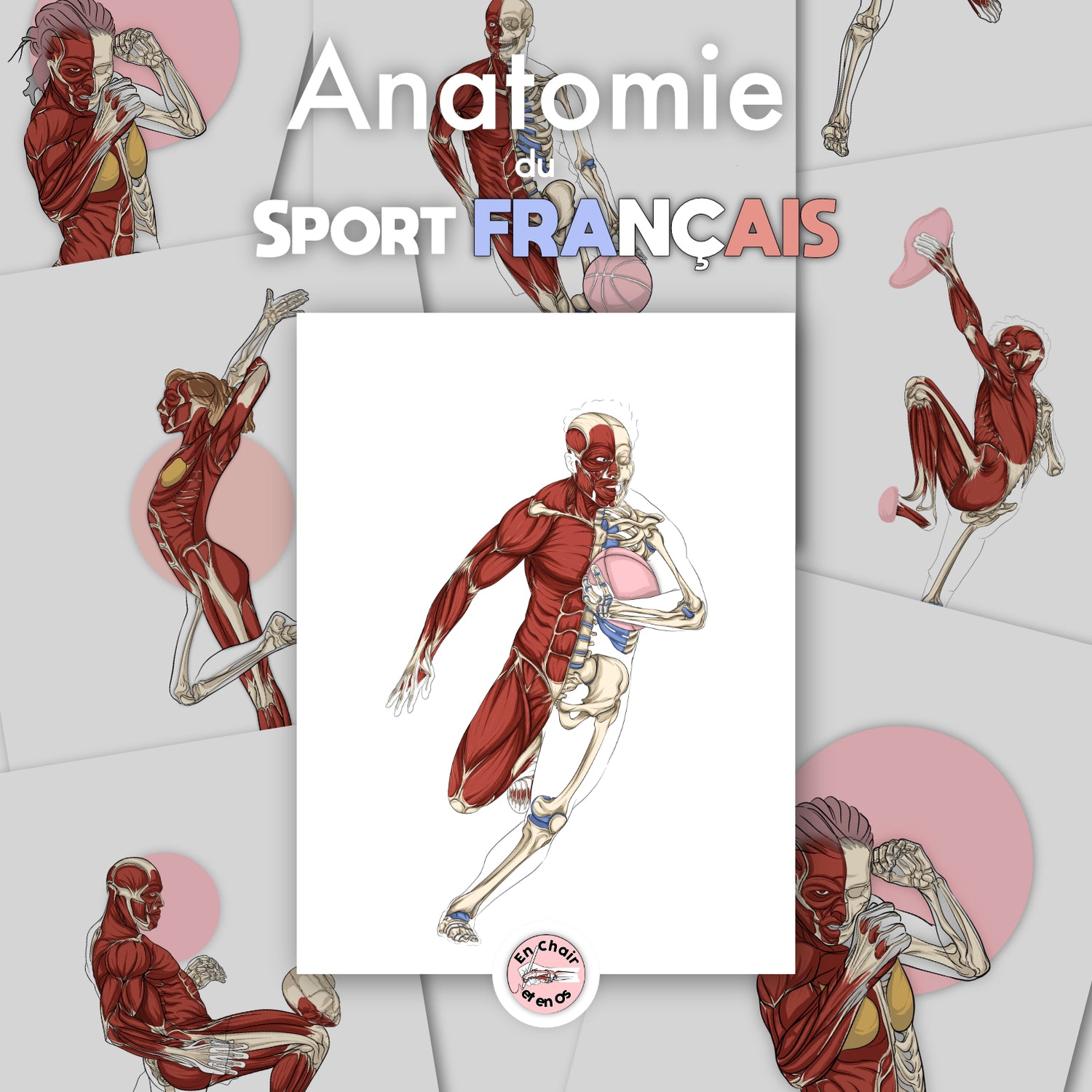
A human anatomy poster can greatly facilitate the explanation of complex medical conditions to your patients. For example, the Anatomical Chart: Human Musculature is an excellent resource for explaining muscle pain, sports injuries, or posture problems. The detailed illustration of the human body's muscles allows patients to visualize exactly where their problems are located and understand the diagnosis with greater clarity. Using a human anatomy poster makes the discussion more interactive and engaging, which improves patient understanding and satisfaction.

By showing, for example, the muscular structure using an educational poster, you can explain how certain pathologies like muscle tears or tension can occur. Furthermore, these anatomical posters can help illustrate the benefits of proposed treatments, such as rehabilitation exercises or surgical interventions.
Demonstration of medical procedures
When it comes to explaining a medical or surgical procedure, a picture is often worth a thousand words. The Anatomical Chart: Human Skeleton is particularly useful for healthcare professionals who treat bone or joint issues. For example, when planning orthopedic surgery, showing your patient the exact areas of the human skeleton involved in the procedure can reduce their anxiety and give them a better understanding of the process.

This visual approach with posters allows you to detail the specific steps of the procedure, the associated risks, and the post-operative expectations. A medical anatomy poster of the skeleton can thus transform a consultation into an educational and didactic session, where the patient feels informed and reassured.
Optimizing learning and teaching
Educational resources for students
For doctors and instructors, educational posters are valuable teaching tools. The Anatomical Chart: Pregnancy is a precious resource for gynecology and obstetrics courses. It offers a detailed view of the different stages of pregnancy, allowing students to visualize anatomical changes and fetal development. This poster can also be used during prenatal consultations to help expectant mothers understand the stages of their pregnancy.
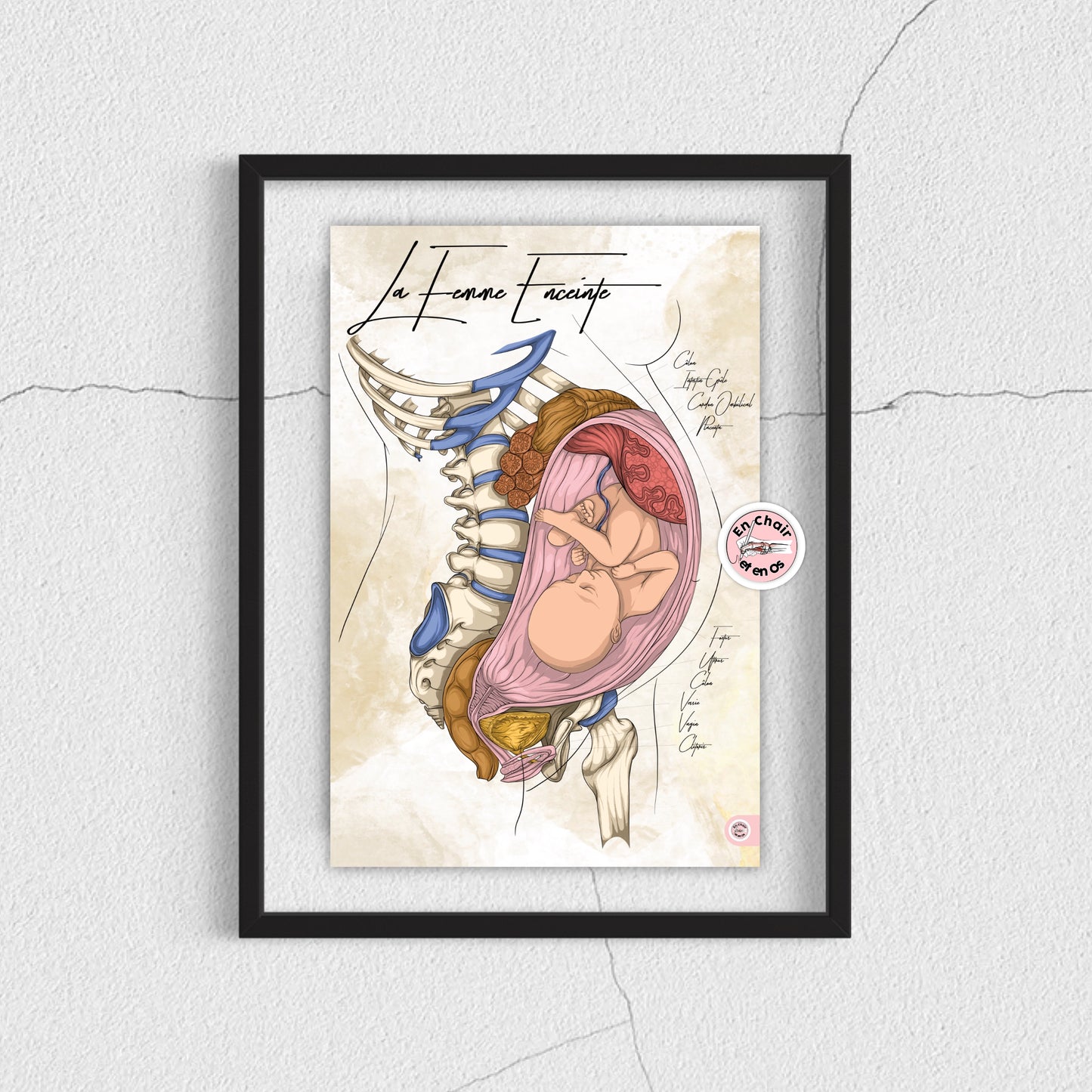
This human anatomy poster helps medical students familiarize themselves with the transformations of the female body during pregnancy. It also serves as a support for explaining natural processes and potential complications related to pregnancy to patients.
Facilitating review of human body anatomy
Medical students and young professionals can benefit greatly from displaying posters in training rooms. The Anatomical Chart: Jaw Muscles is particularly useful for dentistry and maxillofacial surgery students. It offers a precise and detailed view of the muscles involved in chewing and jaw movements, thereby facilitating the review and learning of complex concepts.
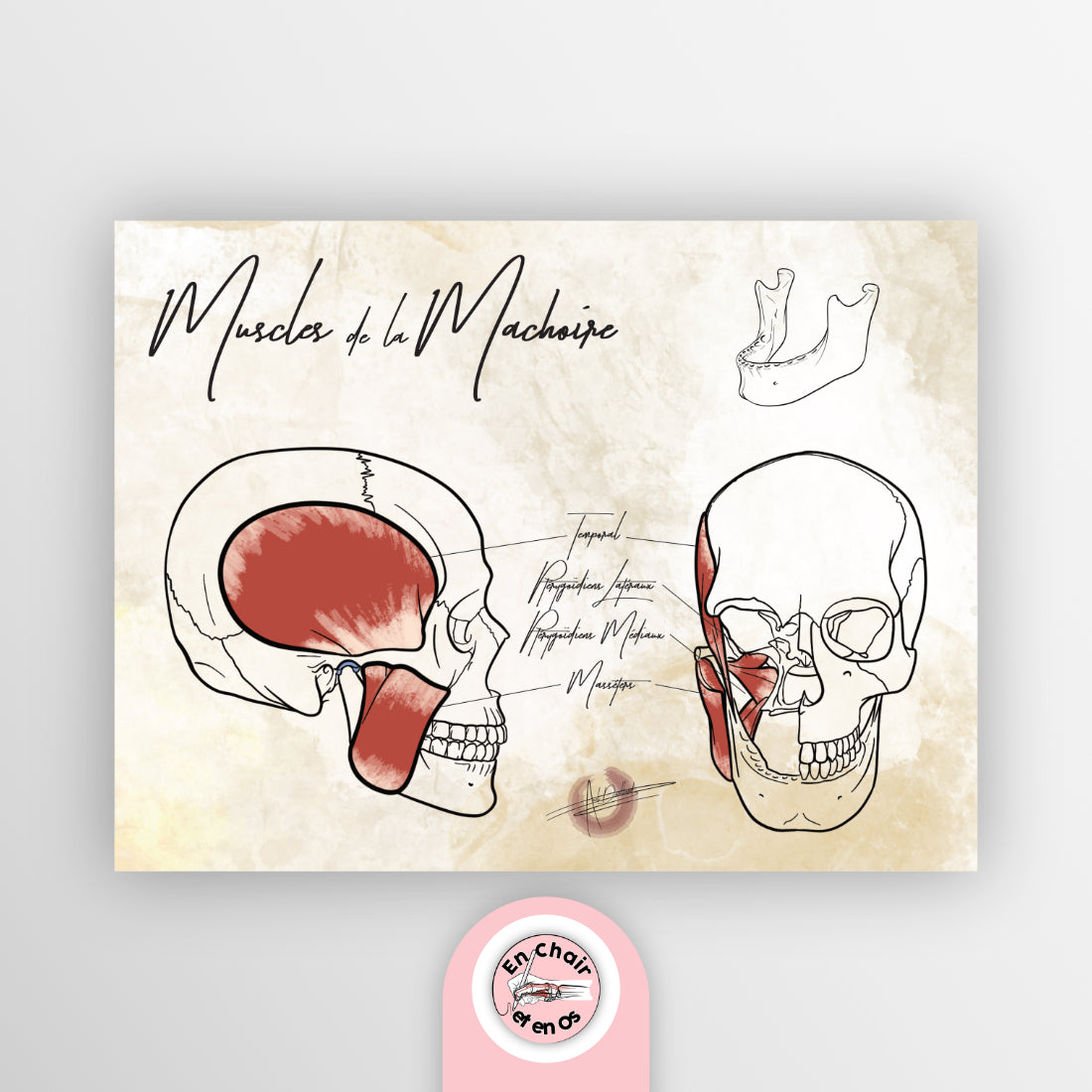
By using a detailed poster, students can better understand the structures and functions of the various parts of the human body. This visual approach improves memorization and assimilation of knowledge, making the study of anatomy more interactive and effective.
Enriching the professional environment
Creating an aesthetic and informative professional environment
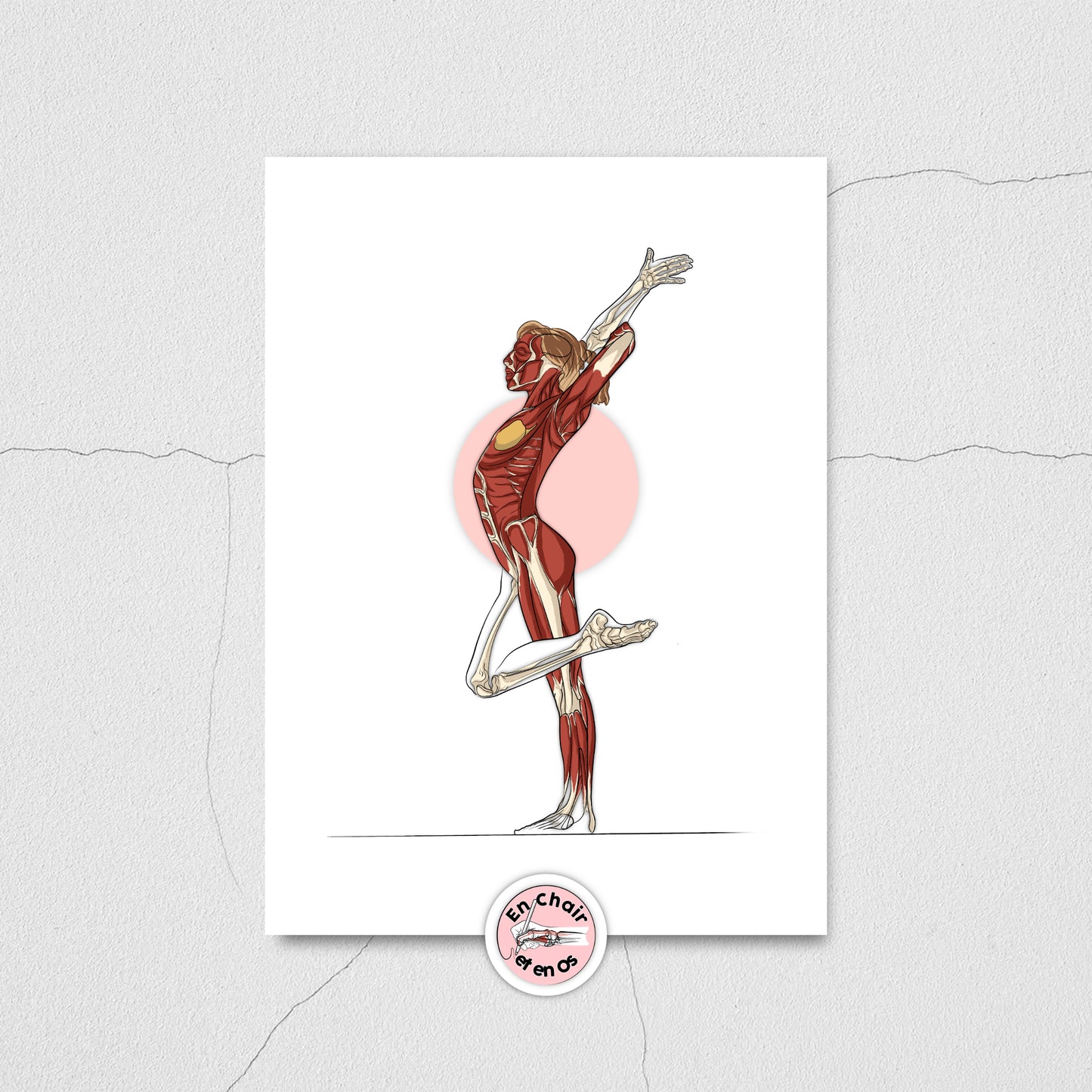
Adding posters to your office or practice does not just serve educational purposes, but also helps to create an aesthetic and professional environment. For example, the Anatomical Chart: A Gymnast can add an artistic touch while remaining informative. It shows the muscles and body movements in action, which can inspire confidence and professionalism in your patients and colleagues.
Motivation and inspiration for staff
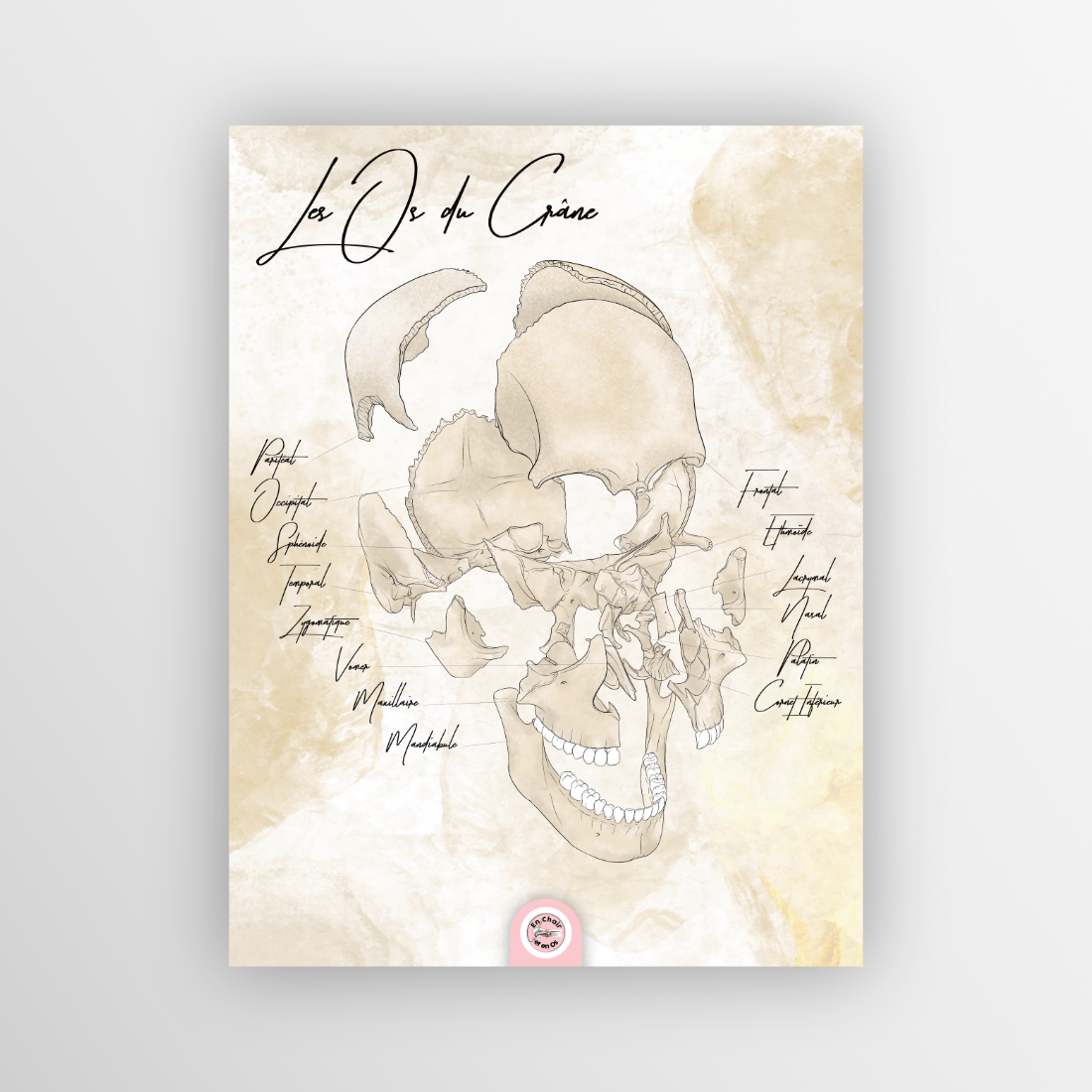
A work environment enhanced by posters can also serve as a source of inspiration and motivation for staff. The Anatomical Chart: Skull Bones is an excellent example. By displaying this detailed anatomical illustration of the skull bones, you can stimulate intellectual curiosity by projecting an image of the human brain between these bone structures, and encourage continuous research within your team. Moreover, it serves as a reminder of the importance of every part of the body in daily practice.
By integrating human anatomy charts and medical anatomy posters into your professional space, you are not just improving the aesthetics of your environment, but also reinforcing your educational and informative role. These valuable tools, available on our site En Chair et En Os, can transform your practice, enrich your consultations, and optimize learning within your team. With free delivery options and a variety of anatomical models, it is easy to add these resources to your professional space.
Conclusion
Anatomical posters are not simply decorative tools, but rather essential aids for healthcare professionals. By improving patient communication, optimizing learning, and enriching the professional environment, these educational charts provide invaluable value to any practice. Investing in anatomy posters and charts is a strategic decision that can positively transform your professional daily life. Do not hesitate to discover and add these resources to your cart to benefit from their multiple advantages.